


 Chinese
 Spanish
 Russian
 Portuguese
 French
 German
 Indonesian
 Thai
 Vietnamese
 Arabic
 Italian
 Turkish
 Polish
 Japanese

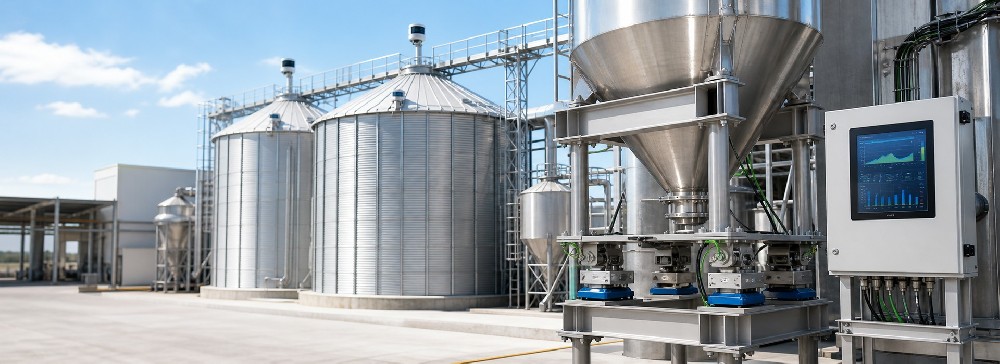
Radar Level Meters
Selecting Hints
Compare METRAVON 26, 80 and 120 GHz radar level meters for tanks and silos. Review media, range, process conditions, mounting and output before requesting a model.
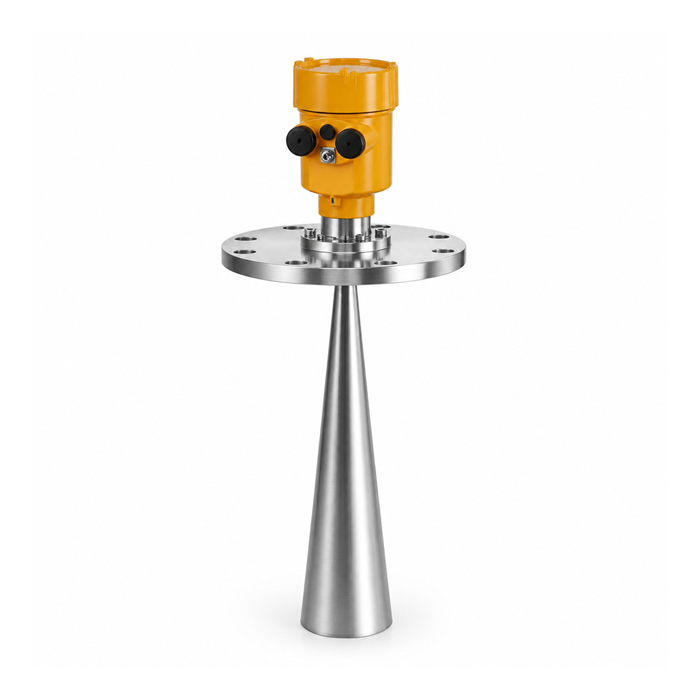
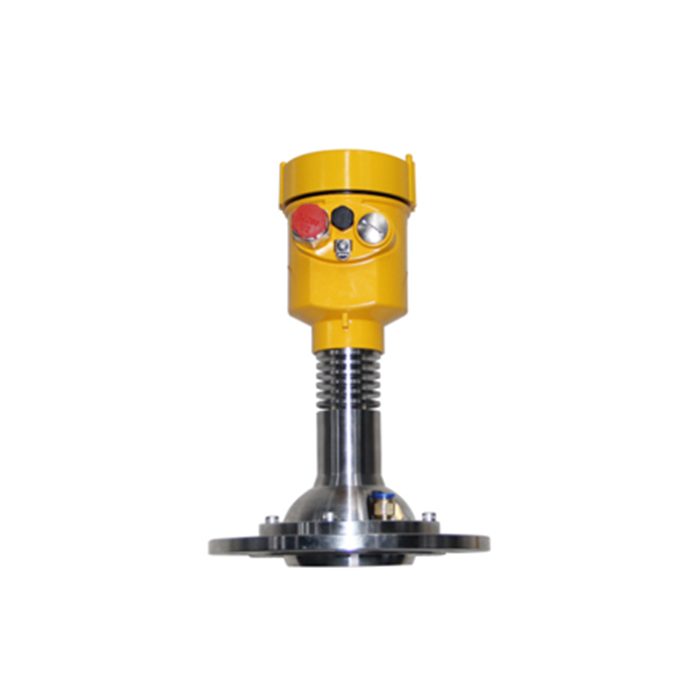
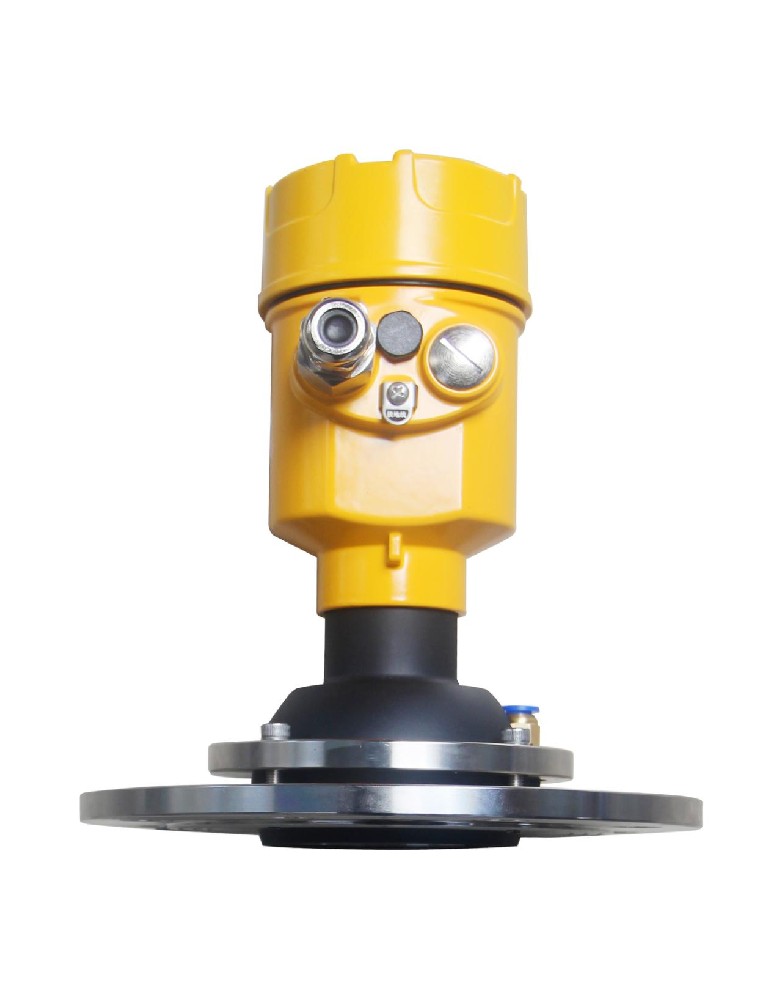
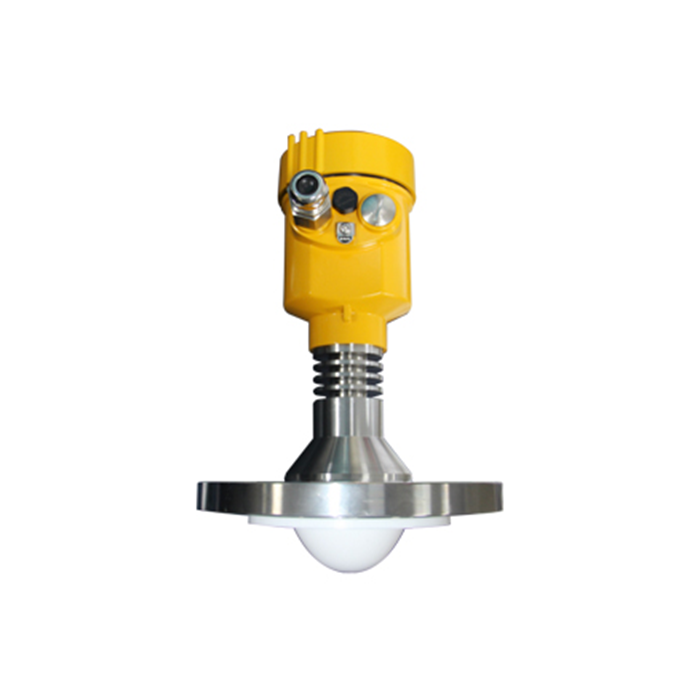
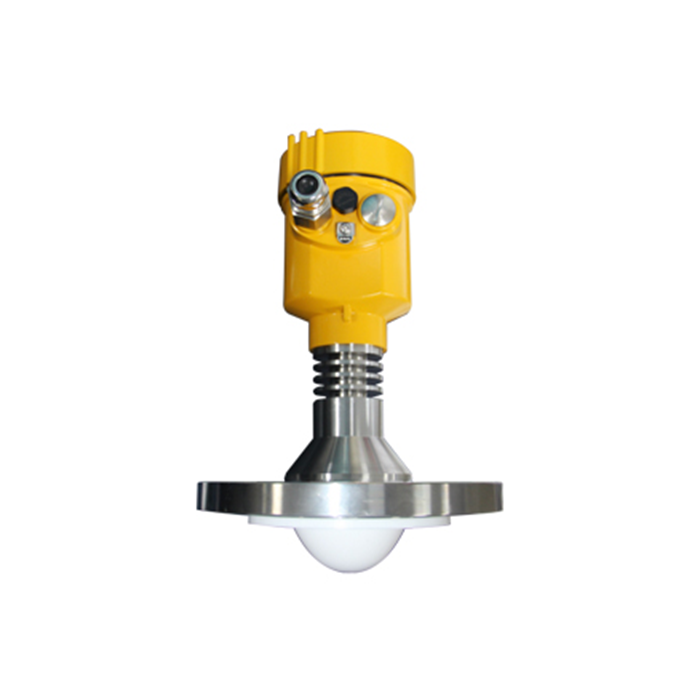
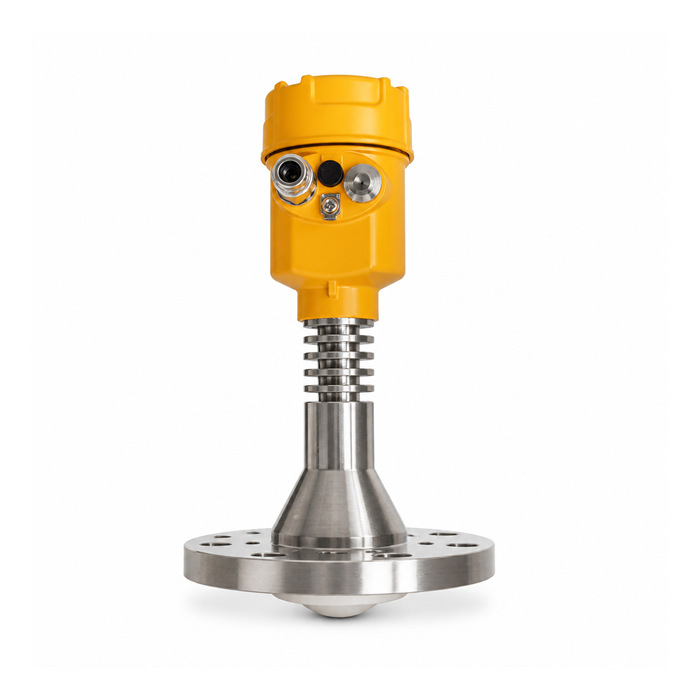
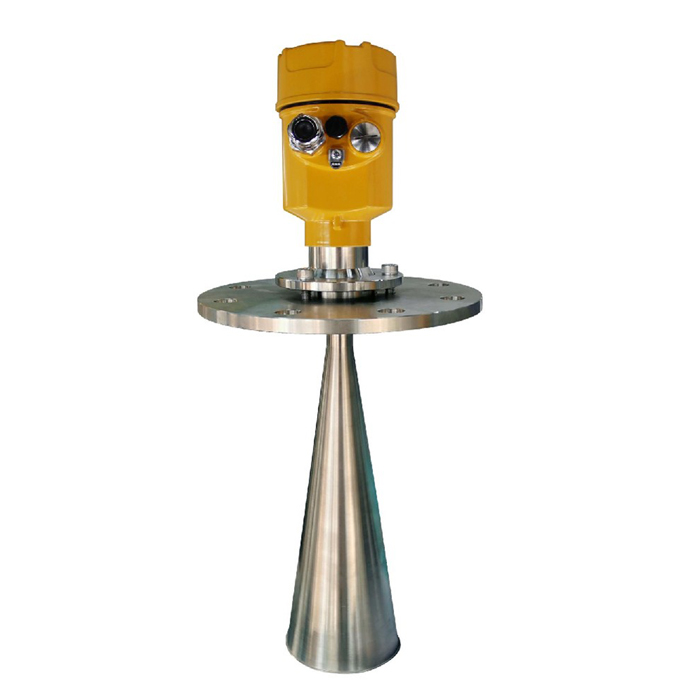
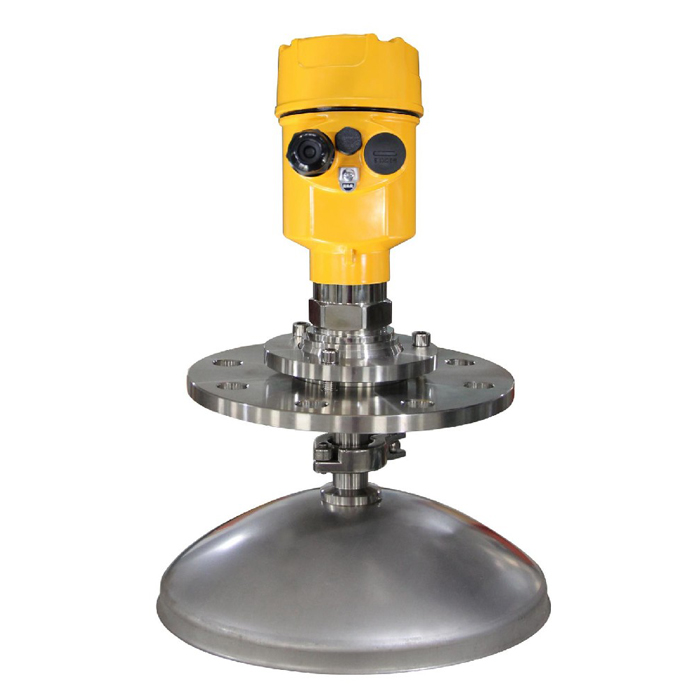
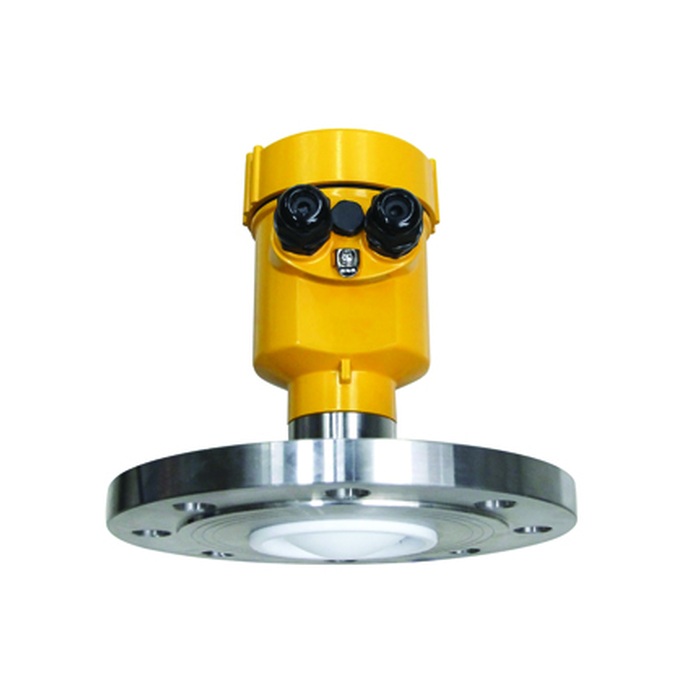
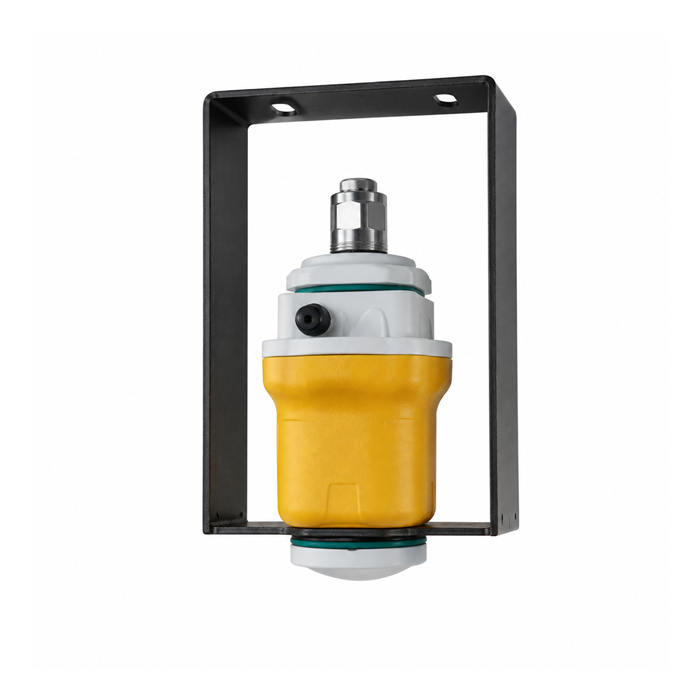
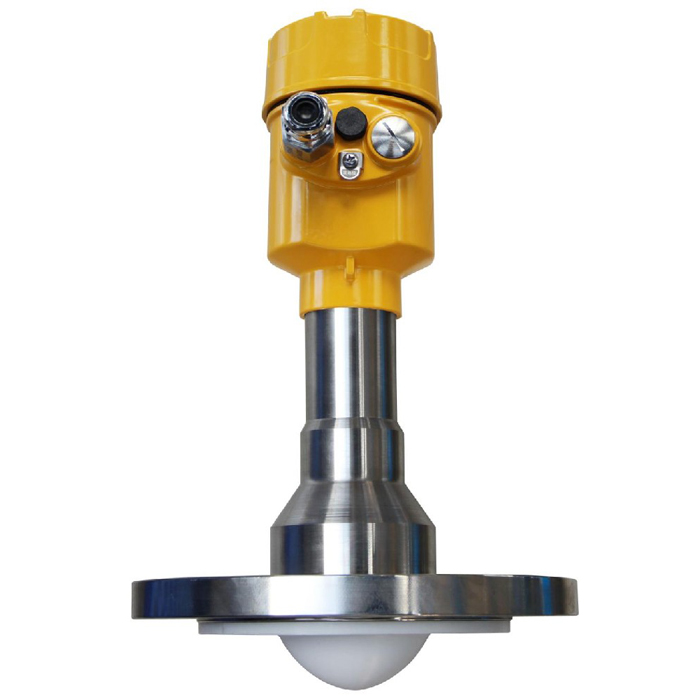
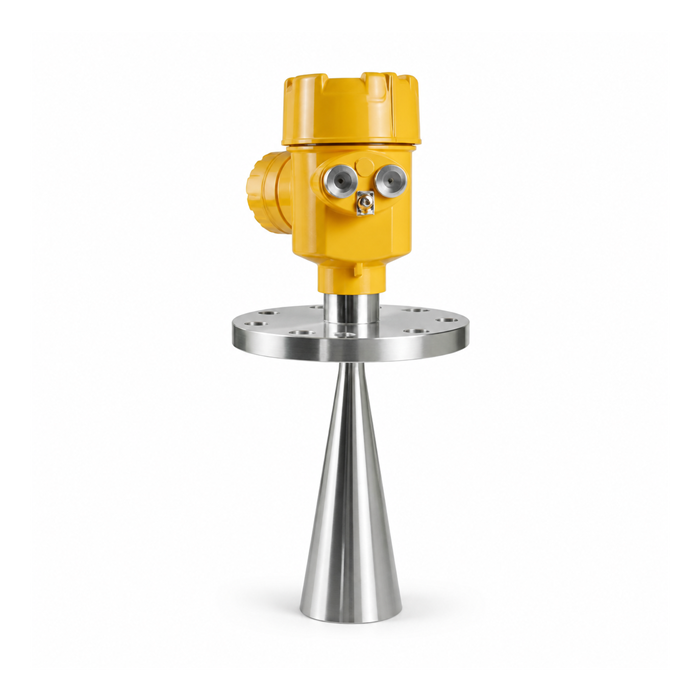
Choose a Radar Level Meter from the Process Conditions
Start with the material and vessel, not frequency alone. Record the product name, measuring range, minimum and maximum level, temperature, pressure, dust or vapor, foam, buildup, nozzle dimensions, internal obstructions and required output. These details determine whether a free-space radar or a probe-based guided wave instrument is the more appropriate route.
| Product route | Useful starting point | Checks before selection |
|---|---|---|
| 26 GHz radar level meters | Continuous level measurement in common industrial tanks, silos and process vessels. | Antenna, nozzle, range, fixed obstructions, dust or vapor, process temperature and pressure. |
| 80 GHz radar level meters | Powders, granules and liquids where a narrow beam can help avoid vessel internals. | Surface geometry, filling stream, buildup, mounting position and the complete beam path. |
| 120 GHz radar level meters | Applications requiring a narrow beam around small targets or complex internal structures. | Actual target, available process connection, environmental limits and the selected model's documented range. |
| Guided wave radar level meters | Storage tanks where measurement through a rod, cable or coaxial probe is suitable. | Probe length and clearance, contact-material compatibility, buildup, agitation, temperature and pressure. |
Installation and Acceptance Checks
A suitable instrument can still produce unstable readings when the nozzle, filling stream, ladder, agitator or vessel wall creates a stronger echo than the material surface. Review the complete beam path at both high and low level. For guided wave radar, also confirm that the probe cannot contact internal structures during filling or agitation.
- Verify the reference point, empty distance, blocking distance and measuring range against the vessel drawing.
- Check the raw distance, output signal and control-system scaling at independently known levels.
- Test filling, discharge, loss-of-echo behavior and alarms instead of accepting a single static reading.
- Save configuration, echo information and installation photographs as the commissioning baseline.
For model review, submit the vessel drawing or photographs together with the medium, range, process limits, mounting connection, power supply and required 4-20 mA, HART or RS485 interface. Output availability must be confirmed on the selected product record rather than assumed for the whole category. See the radar level meter installation guides for mounting and troubleshooting topics.
Please fill in the measurement media, the scale, temperature, pressure, installation and output requirements. We will provide model advice and quotations based on the field situation.
