Chinese
 Spanish
 Russian
 Portuguese
 French
 German
 Indonesian
 Thai
Thai Vietnamese
 Arabic
 Italian
 Turkish
 Polish
 Japanese
Blog
The News Center brings together METRAVON company news, level measurement and industrial weighing technical articles, bulk material industry knowledge and application cases to help users.
-
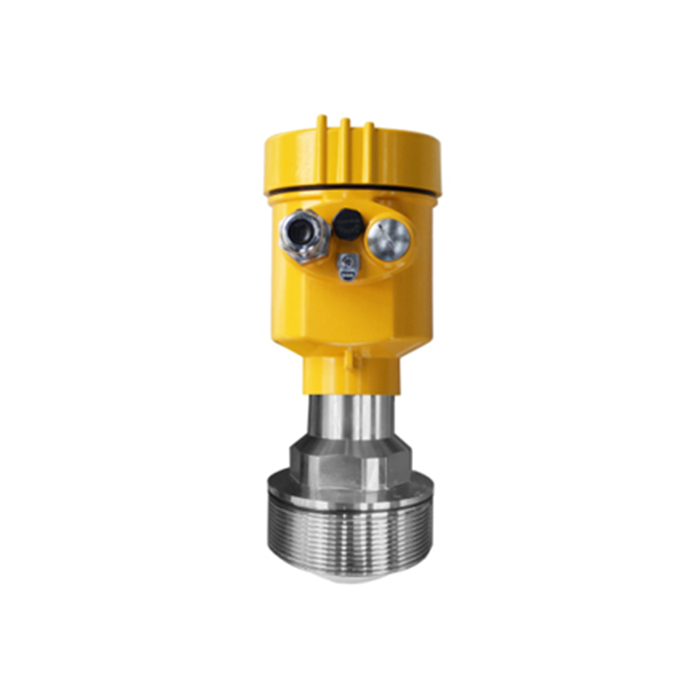 What Are the Advantages of High-Frequency and Low-Frequency Radar Level Meters?2026-09-20hat are the differences between high-frequency and low-frequency radar level meters? This article analyzes their main advantages based on operating frequency, wavelength, beam angle, antenna size, solid-level measurement, liquid-surface fluctuations, foam, steam, dust, and complex tank conditions. It also explains how to select 6GHz, 26GHz, and 80GHz radar level meters.
 -
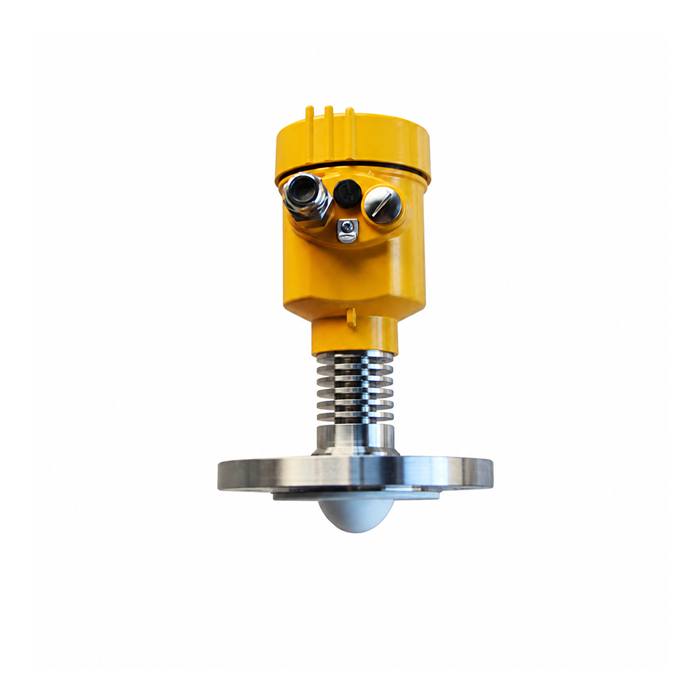 High-Frequency Radar Level Meter Selection and Classification: Frequency, Antenna, Measuring Range, and Operating Condition Guide2026-09-20How should a high-frequency radar level meter be selected? This article systematically explains the classification of high-frequency radar level meters, including 26GHz radar, 80GHz radar, FMCW radar, pulse radar, horn antennas, lens antennas, planar antennas, and parabolic antennas. It also explains radar level meter selection based on the medium, measuring range, temperature, pressure, steam, foam, tank structure, output signal, and other factors.
 -
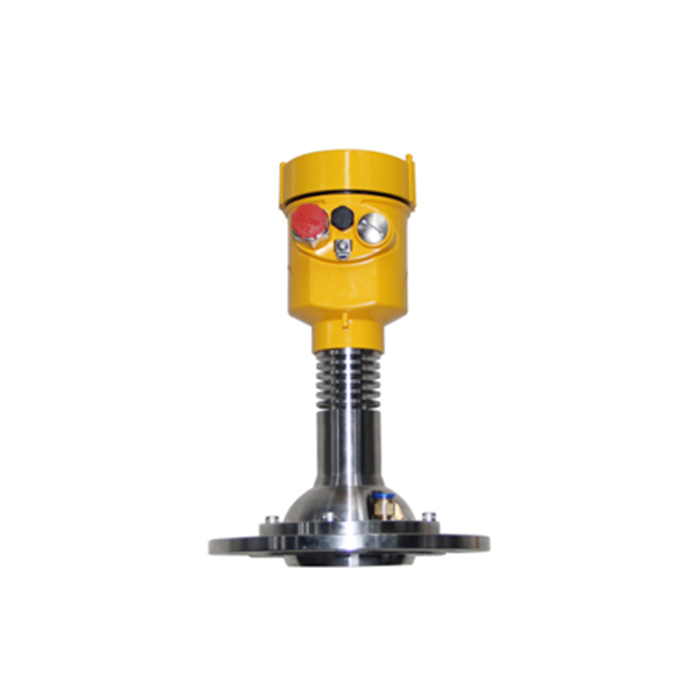 What Is the Resolution of an Industrial Radar Level Meter?2026-09-20Technical guidance on industrial radar level meter resolution, price ranges, corrosion-resistant applications, inaccurate measurement troubleshooting, the operating principle of 26GHz radar, and rod-type guided wave radar selection. Covers dead zones, accuracy, medium-related effects, high-temperature and high-pressure adaptability, and engineering procurement recommendations. METRAVON provides professional industrial-grade radar level measurement solutions.
 -
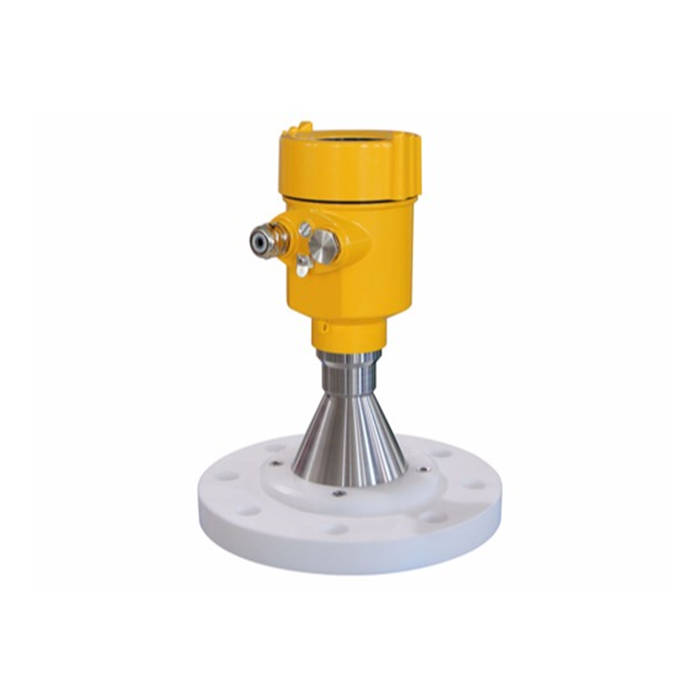 What Should You Consider When Purchasing an 80GHz Radar Level Meter?2026-09-20Technical guidance on the selection, installation, commissioning, and troubleshooting of 80GHz radar level meters and guided wave radar level meters. Covers purchasing considerations, dead zones and high-level settings, common fault diagnosis, radar water level meter mounting bracket specifications, and commissioning methods. Suitable for complex operating conditions in chemical processing, water treatment, storage tanks, and other applications. METRAVON provides professional engineering-grade solutions.
 -
Pitfall Guide for Buying Radar Level Gauges2026-09-20Radar Level Gauge Buying Pitfall Guide: Key selection points including medium property matching, installation location standards, and after-sales service evaluation. Covers viscosity, crystallization, avoidance of inlet/outlet ports, antenna immersion depth, and arched tank installation requirements, helping engineering personnel avoid selection mistakes. METRAVON provides professional industrial radar level gauge selection and technical support.
-
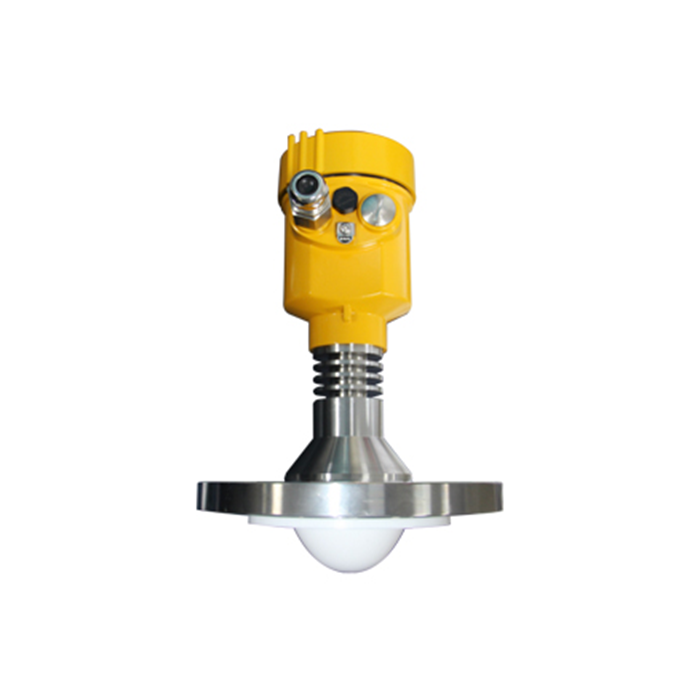 Detailed Explanation of the Principle and Features of High-Frequency Radar Level Gauges: Precise Measurement Solution for Solids and Complex Working Conditions2026-09-19Detailed explanation of the working principle, core features, and practical application value of high-frequency radar level gauges (24GHz~26GHz). Compare differences with low-frequency radar and guided wave radar, provide selection recommendations, installation precautions, and applicable scenarios to help customers achieve high-precision, low-maintenance level measurement in solid silos, reactors, and dusty environments.
 -
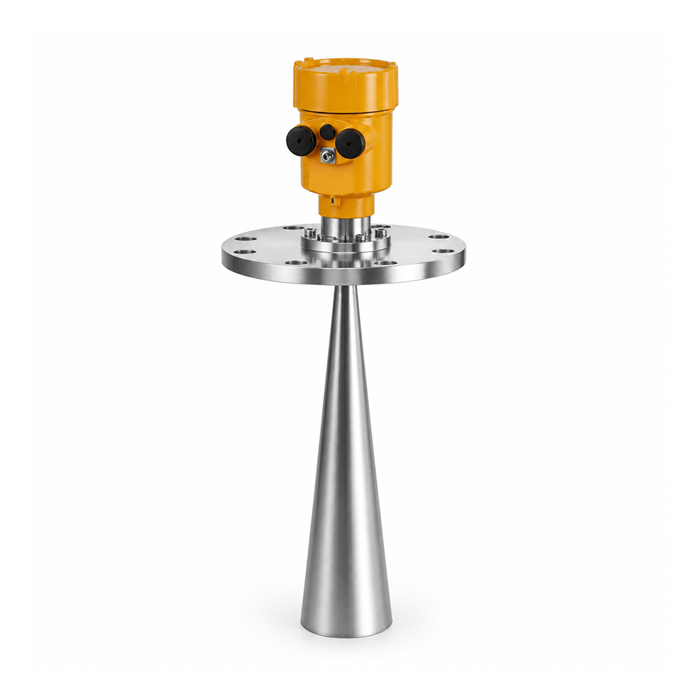 Radar Level Meter Blind Zone: Setup and Installation Guide2026-09-19Understand radar near-field blind zones, maximum-level settings, nozzle effects, guided-wave radar clearances, echo verification and commissioning checks.
 -
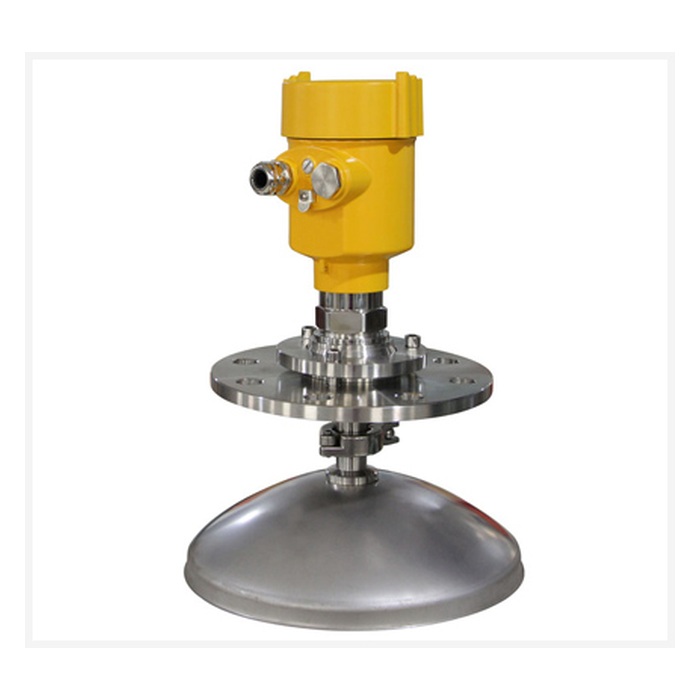 What Is a High-Frequency Radar Level Meter? Working Principle, Main Advantages, and Applications2026-09-19High-frequency radar level meters use high-frequency microwave pulses for non-contact level measurement and can be used for continuous monitoring of liquids, solid particles, and bulk materials. This article introduces the working principle of high-frequency radar level meters, the main characteristics of 24 GHz, 25 GHz, and 26 GHz high-frequency radar, and their application advantages in small storage tanks, solid material silos, dusty environments, condensation conditions, and other applications.
 -
High-Frequency Radar Level Gauges vs. Low-Frequency Radar Level Gauges: Advantages, Disadvantages, and How to Select Correctly?2026-09-19In industrial level measurement, radar level gauges are mainly divided into high-frequency (usually 24GHz~26GHz) and low-frequency (usually 6GHz) based on operating frequency. High-frequency radar level gauges have advantages such as high energy, small beam angle, and high accuracy, with a wider application range; low-frequency radar level gauges still have irreplaceable value in certain liquid working conditions. Correctly understanding the advantages and disadvantages of both is the key to avoiding selection errors and improving measurement stability.