


 Chinese
 Spanish
 Russian
 Portuguese
 French
 German
 Indonesian
 Thai
 Vietnamese
 Arabic
 Italian
 Turkish
 Polish
 Japanese

Industrial IoT Gateways
Selecting Hints
Compare METRAVON industrial IoT gateways for PLC and field-device connectivity. Review interfaces, cellular network, protocol mapping and deployment requirements.
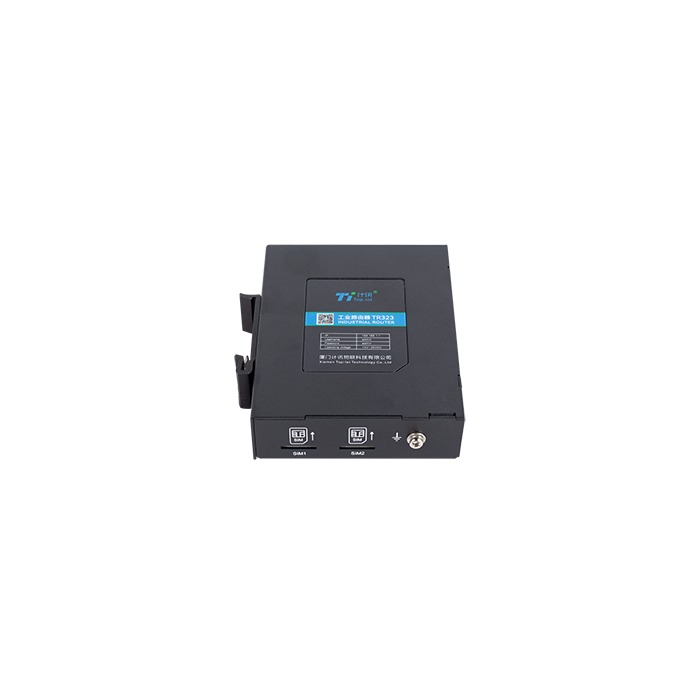
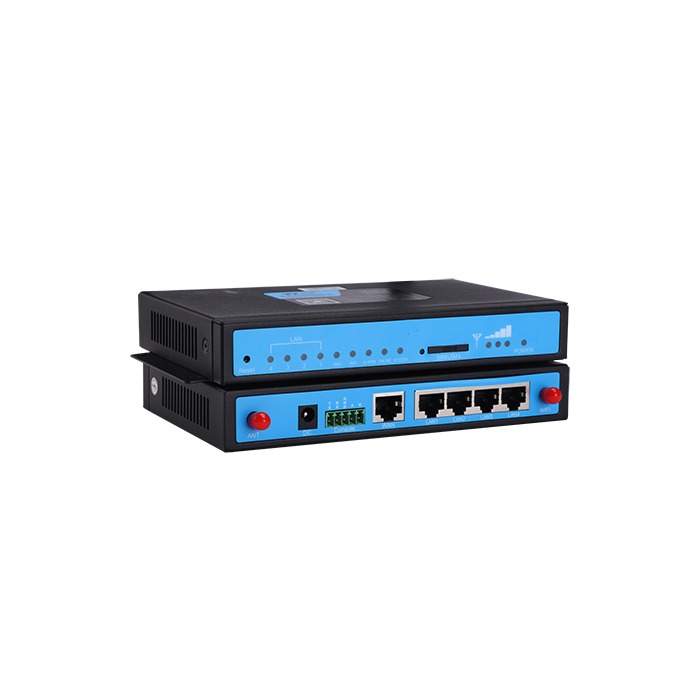
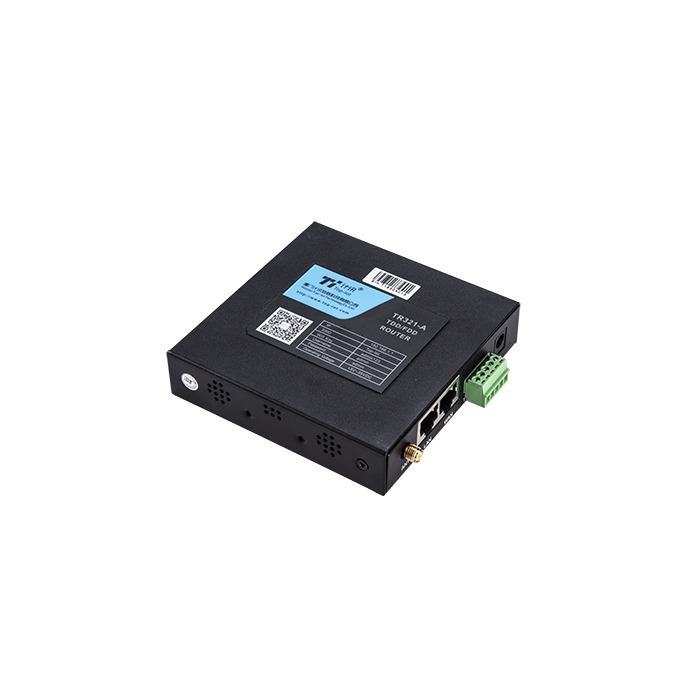
Choose the Gateway from the Required Data Path
List every field device, physical interface and protocol before selecting the cellular network or cloud connection. A gateway project can fail even when the modem is online if the unit lacks the required RS485, Ethernet, digital I/O, polling capacity or protocol mapping. Confirm whether the project needs routing only, serial and PLC data collection, local storage, alarm logic, remote maintenance or all of these functions.
| Product route | Documented interfaces | Selection use |
|---|---|---|
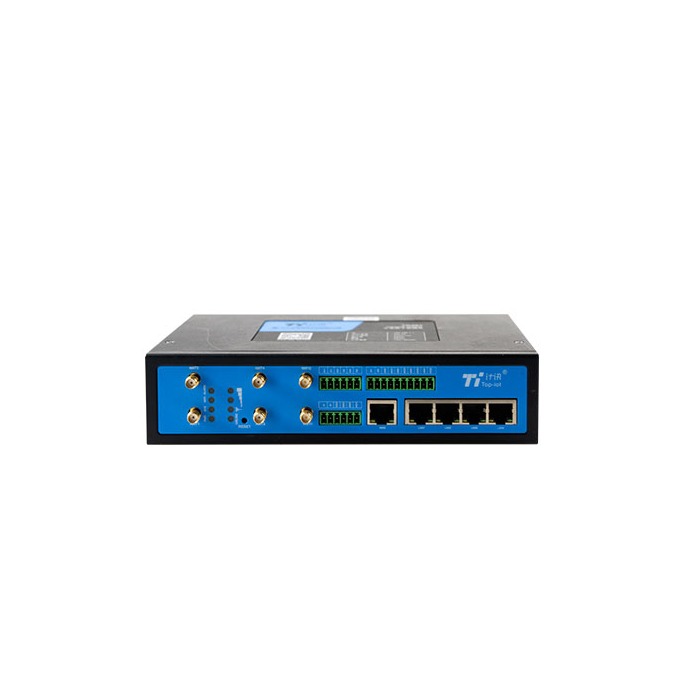
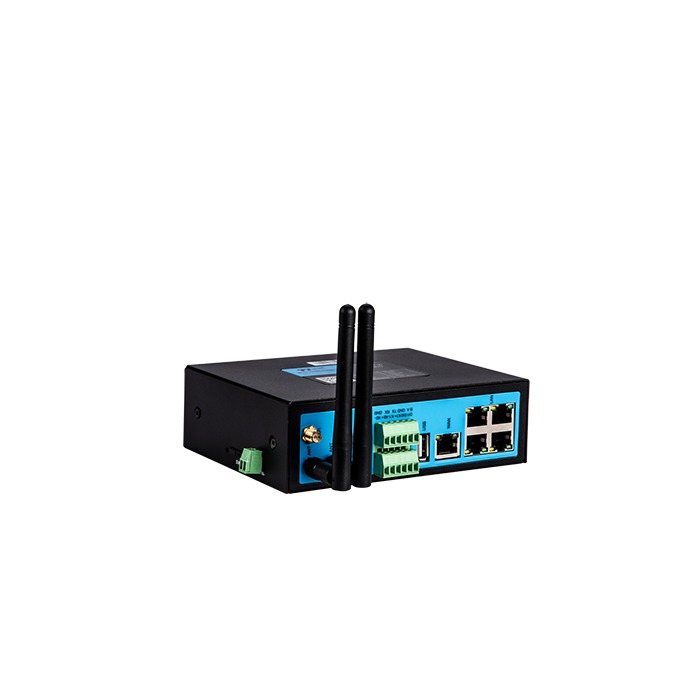
| TG451 4G Industrial IoT Gateway | 5 Ethernet, 1 RS232, 1 RS485, 2 DI, 2 relay outputs and USB; DC 5-35 V input. | Projects combining PLC or instrument networking, serial data, simple digital status and relay control over a 4G connection. |
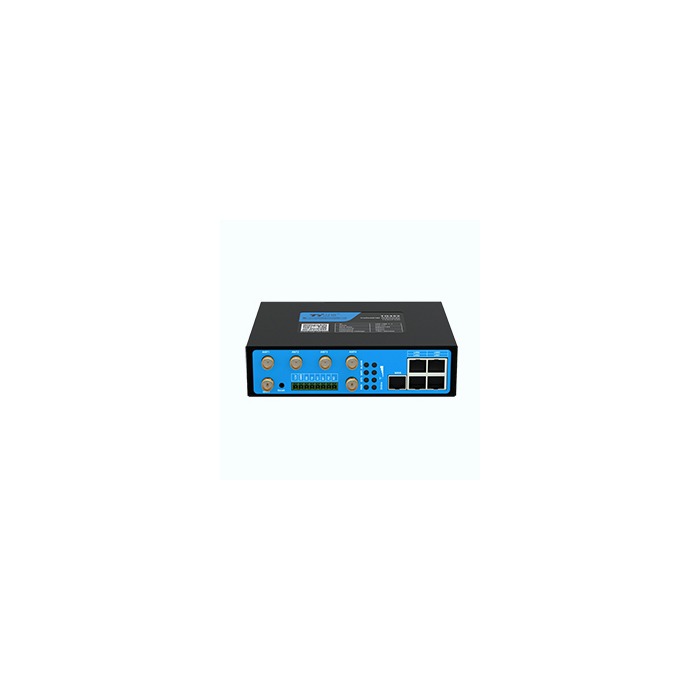
| TG453 5G Industrial Data Gateway | 4 LAN, 1 WAN, 2 RS485, an RS232 debug port and a TF card slot; DC 5-35 V input. | Projects requiring 5G/4G networking, multiple Ethernet devices, two RS485 networks or local storage. |
| Industrial router option | Ethernet and cellular networking vary by TR-series model. | Use a router when the main requirement is IP connectivity. Do not assume it has the same field I/O, serial collection or protocol-conversion capabilities as a gateway. |
Define the Integration Boundary Before Ordering
The data path should be written explicitly: field sensor or PLC, physical port, field protocol, gateway tag map, uplink, server endpoint and receiving application. MQTT, Modbus RTU, Modbus TCP, HTTP, OPC UA and other functions are model- and firmware-dependent; include only protocols confirmed for the selected configuration.
- Provide PLC, meter and sensor models together with port type, baud rate, address and register or tag list.
- State the destination platform, broker or server, authentication method, payload format and whether inbound remote access is permitted.
- Confirm local carrier bands, SIM arrangement, antenna location, Ethernet topology, power source and enclosure protection.
- Agree how data is buffered during an outage, how timestamps are assigned and how alarms are retried.
Acceptance should verify each required tag from the field device to the receiving system, including scaling, units, data quality, timestamps, alarm behavior and recovery after loss of power or network. Projects centered on direct analog, digital and pulse acquisition should also review data acquisition RTUs.
Please fill in the measurement media, the scale, temperature, pressure, installation and output requirements. We will provide model advice and quotations based on the field situation.
