


 Chinese
 Spanish
 Russian
 Portuguese
 French
 German
 Indonesian
 Thai
 Vietnamese
 Arabic
 Italian
 Turkish
 Polish
 Japanese


Industry Insights
This section introduces common needs in bulk material storage, transportation, measurement and data management, and shares the selection logic.
-
 Instrument Freeze Protection: Tracing, Insulation and the Details That Matter2026-11-04How to keep level instruments from freezing: tracing, insulation and mounting choices. Covers steam vs electric tracing and impulse-line routing.
-
 Instrument Grounding, Shielding and Lightning Protection: The Underrated Fault Source2026-11-04Distinguish instrument protective bonding, signal references and shield termination. Check EMC requirements and coordinated surge protection.
-
 2-Wire, 3-Wire and 4-Wire Transmitters: Powering the Loop Correctly2026-11-04Compare 2-wire, 3-wire and 4-wire transmitter circuits. Verify loop power, output type, common reference and actual isolation ratings.
-
Digital vs Analog vs Discrete Signals: AI, AO, DI, DO Explained Once2026-11-04Analog, digital and discrete signals explained: what AI, AO, DI and DO mean, how each is wired, and how to choose. Covers 4-20 mA, dry contacts, NAMUR.
-
 HART Communicator and the 250 Ohm Resistor: Why the Loop Needs It2026-11-04Understand HART loop loads, field communication points and voltage headroom. Avoid unnecessary resistors and diagnose panel-versus-field faults.
-
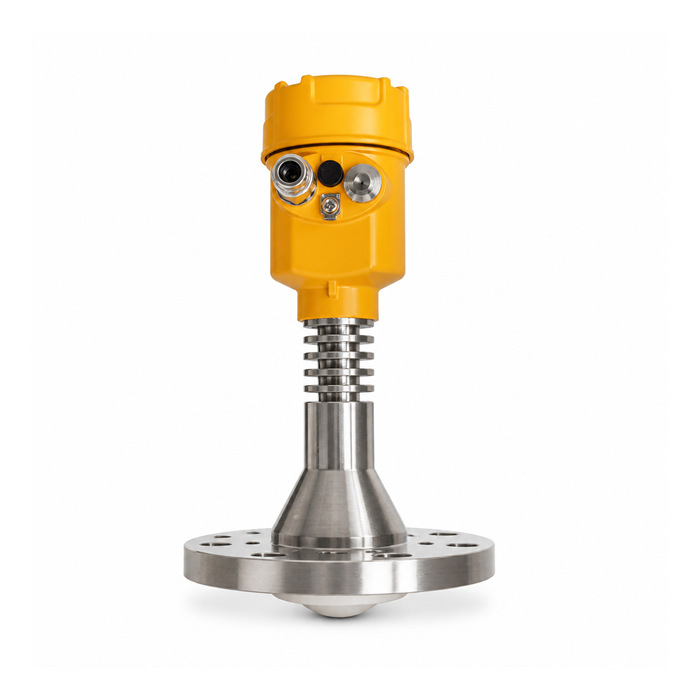 Molten Salt Level Measurement in Tanks: Heat Path Design2026-11-03Design molten salt level measurement around nozzle freezing, heat loss, trace control, materials and complete instrument temperature limits.
-
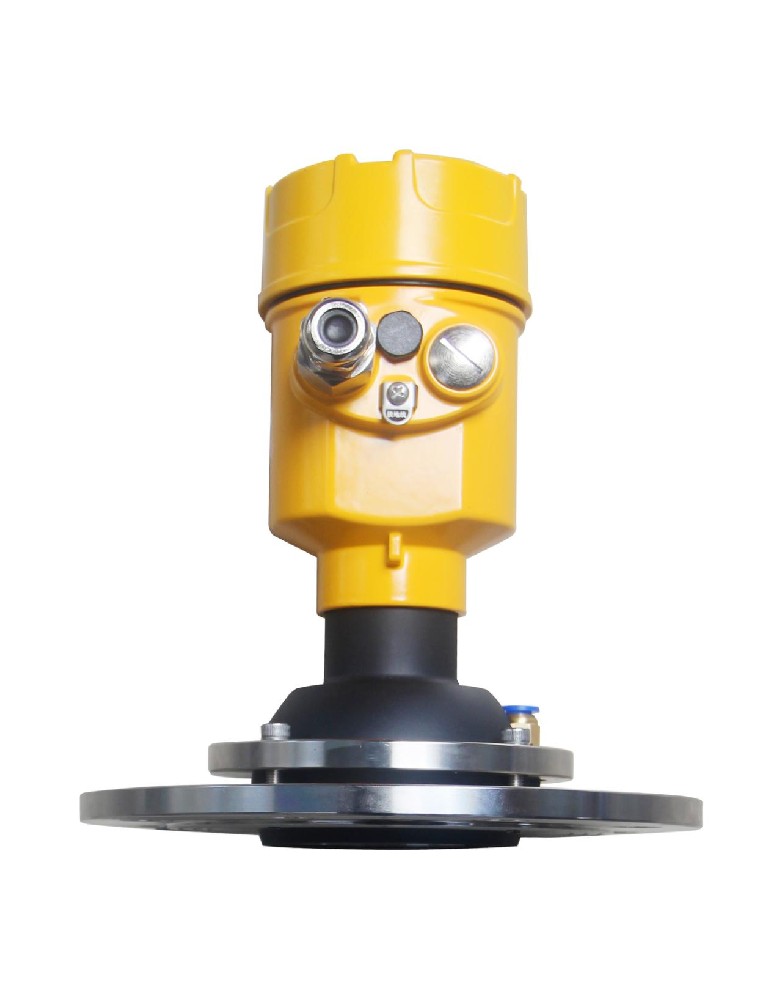 Radar Level Measurement in Narrow Silos: Beam Clearance2026-11-03Fit radar into narrow silos: beam footprint versus wall distance, 80 GHz versus 26 GHz geometry, wall echo mapping and mounting limits.
-
Radar Level Antenna Protection: Rain, Condensation, Sun and Alignment2026-11-03Protect radar antennas from rain, condensation, solar heat and misalignment: droplet scattering, sun shades, purge and the alignment error calculation.
-
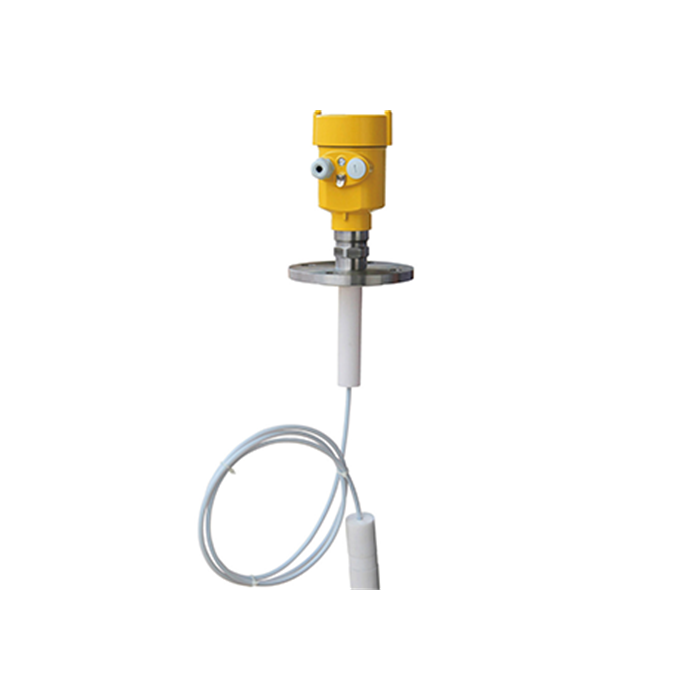 Sulfuric Acid Tank Level Measurement: Materials and Method2026-11-03Specify sulfuric acid level measurement using the actual concentration, temperature, compatible process materials and filling conditions.
