


 Chinese
 Spanish
 Russian
 Portuguese
 French
 German
 Indonesian
 Thai
 Vietnamese
 Arabic
 Italian
 Turkish
 Polish
 Japanese

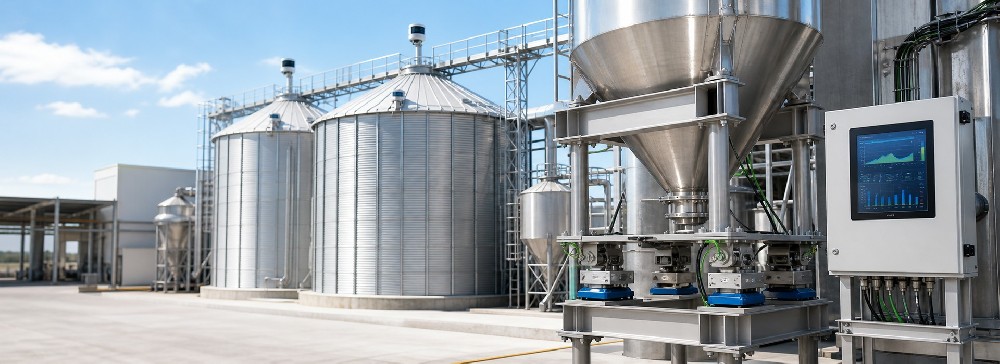
Level Measurement
Selecting Hints
Choose METRAVON radar or guided wave instruments for tank and silo level measurement. Check material, vessel geometry and signal needs, then request a model review.
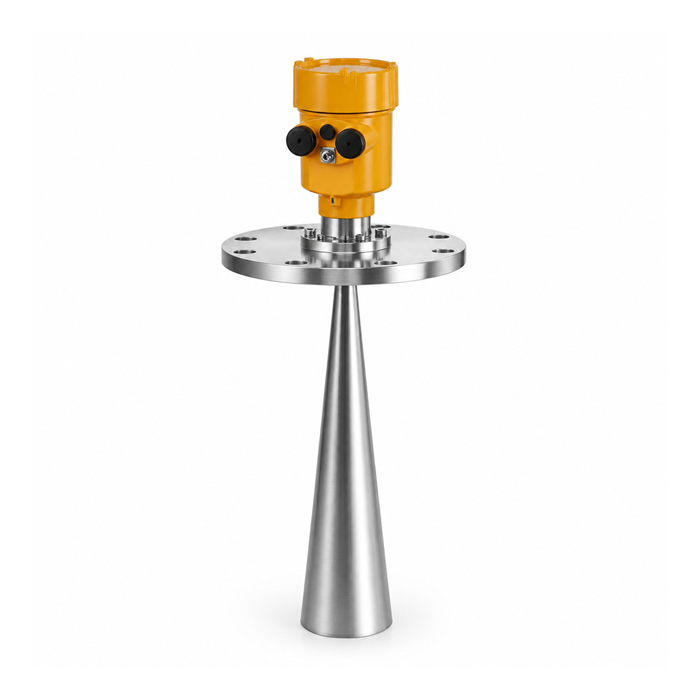
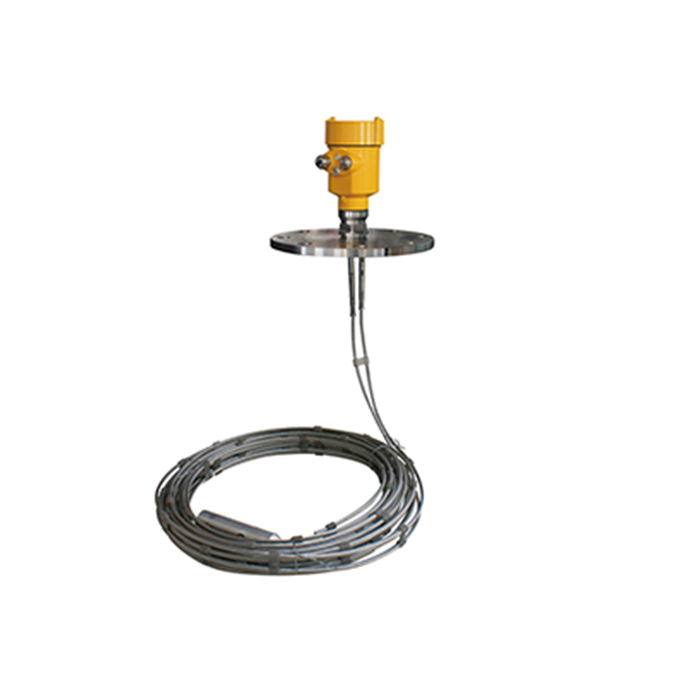
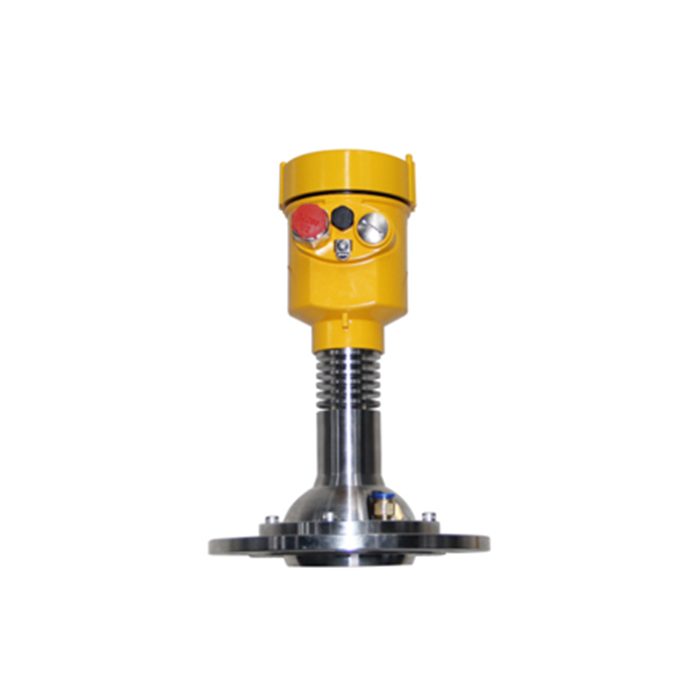
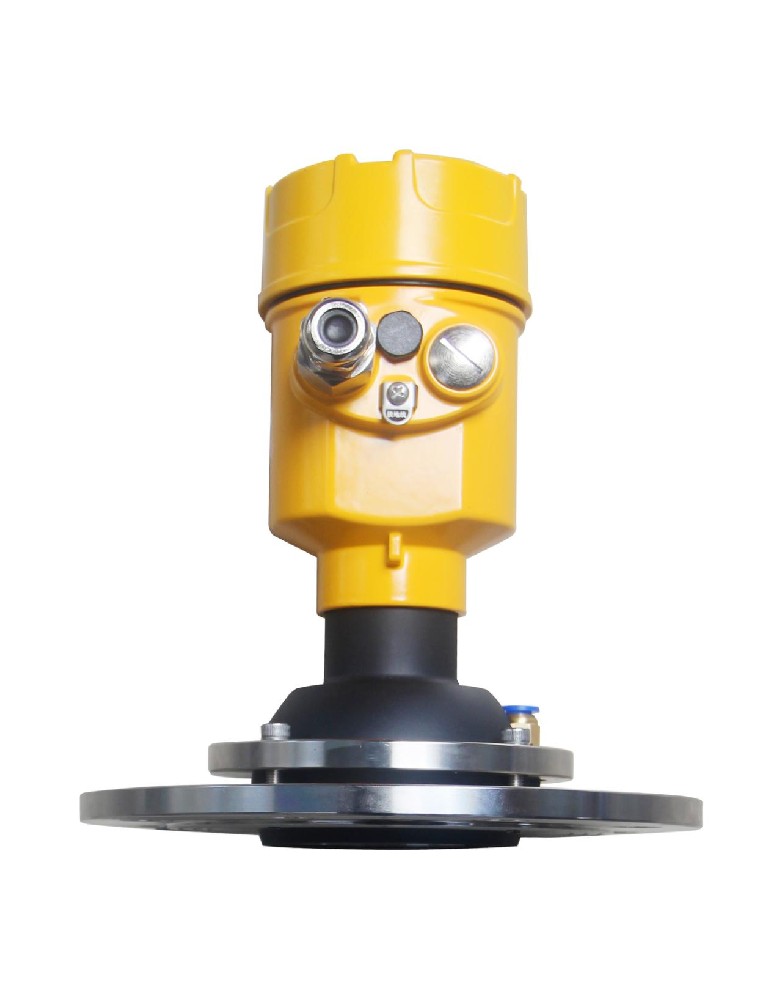
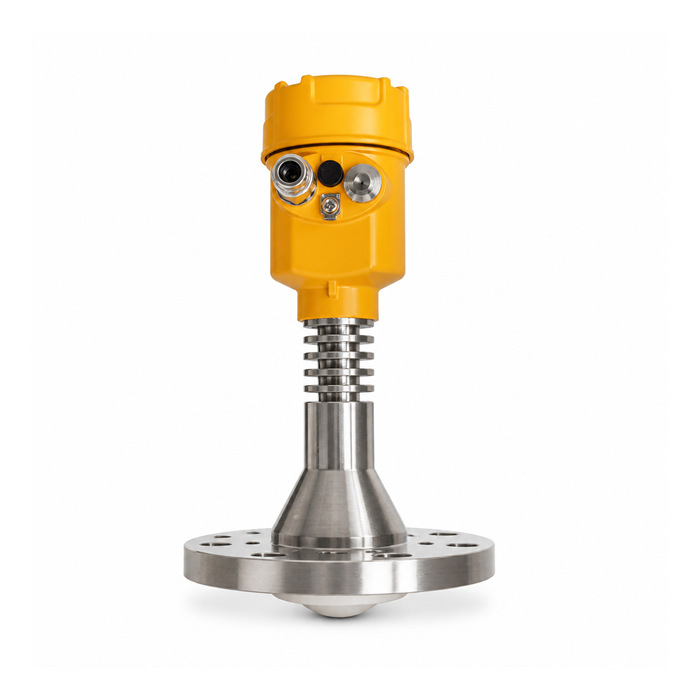
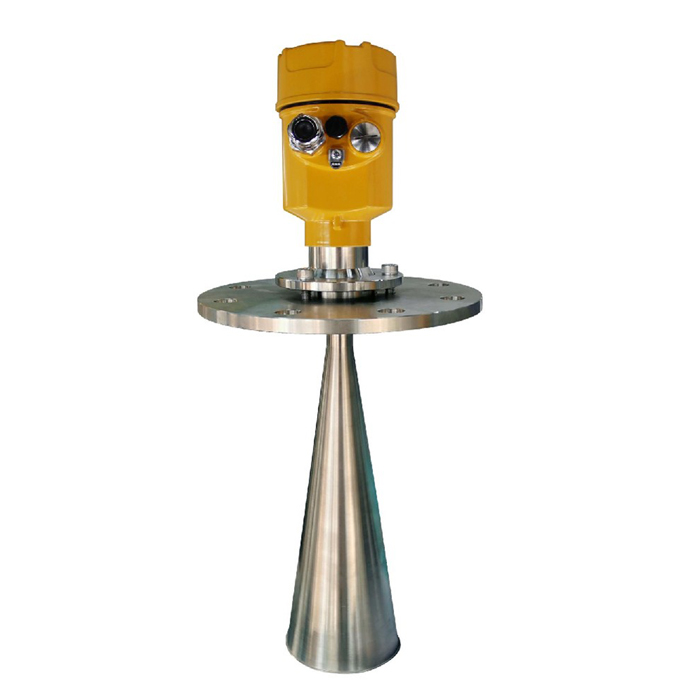
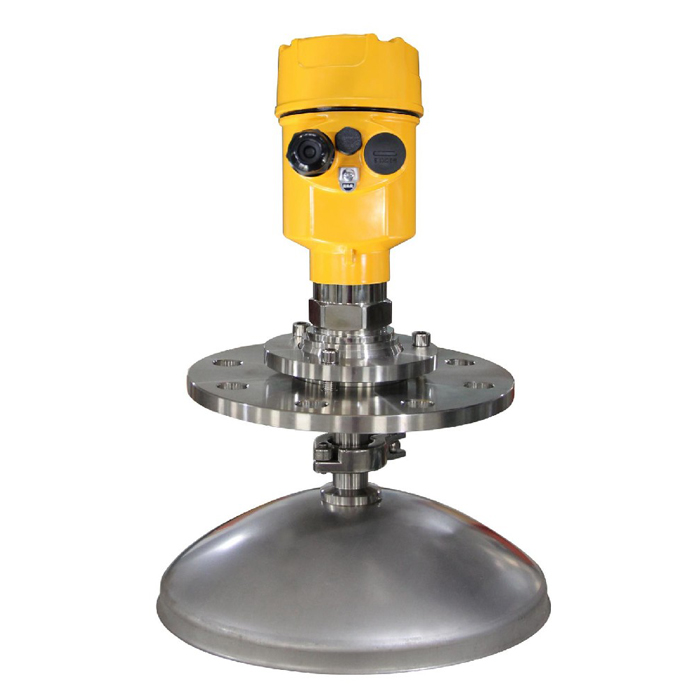
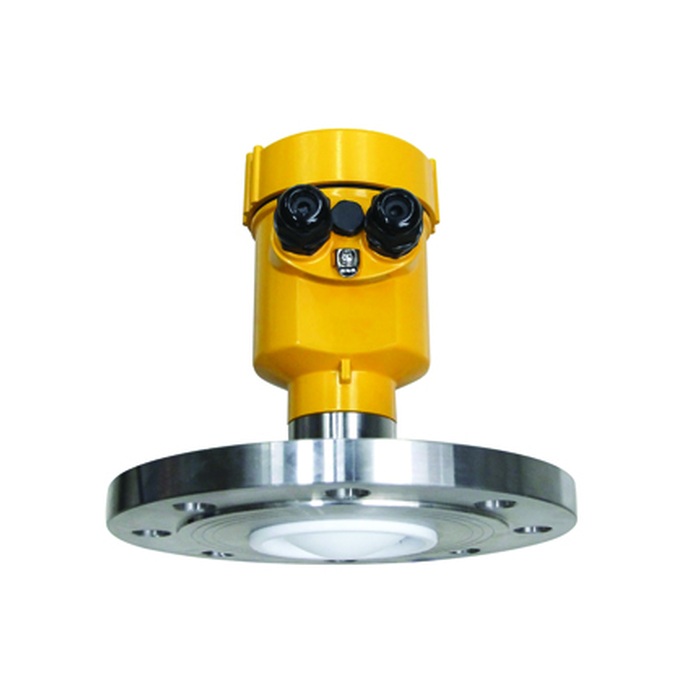
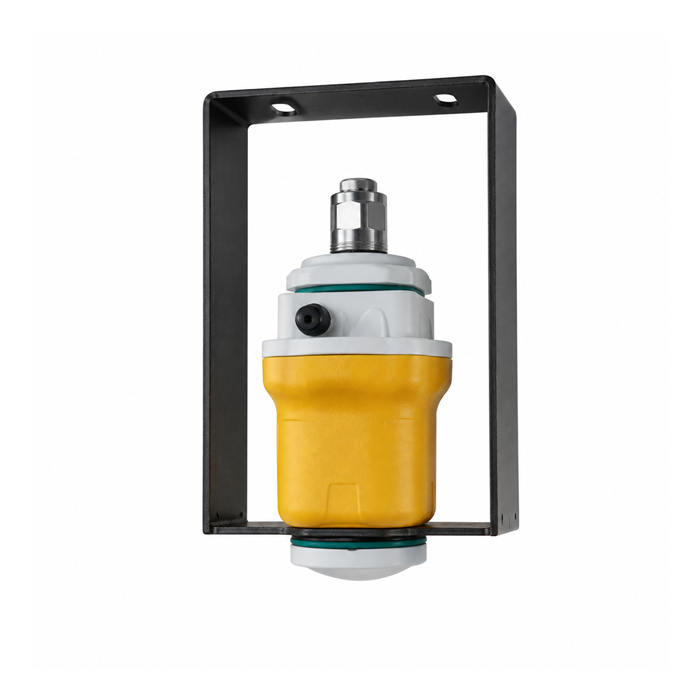
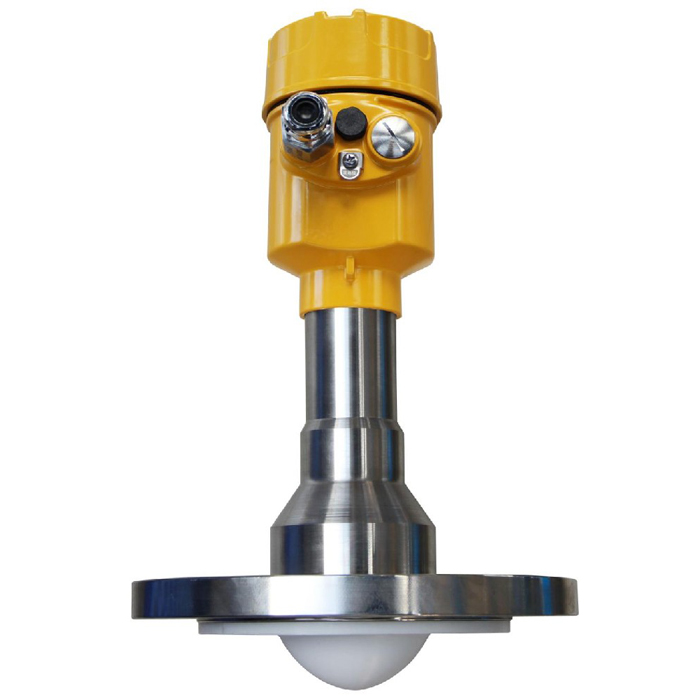
Choose a level instrument around the vessel
Continuous level measurement needs a usable path from the instrument to the material surface. For a tank or silo, compare the nozzle, internals, filling stream and maintenance access before choosing a radar frequency or probe length.
| Measurement route | Installation to assess | Information needed for selection |
|---|---|---|
| Non-contact radar | The antenna looks toward the surface through a clear beam path. | Nozzle drawing, distances at high and low level, obstructions, surface shape, dust, vapour and antenna deposits. |
| Guided wave radar | A rod, cable or other specified probe extends into the vessel. | Probe clearance and removal space, material contact, buildup, moving equipment and mechanical loading. |
For example, the MV-RD701 rod or cable arrangement requires space for a contact probe. Its installation cannot be approved using the same beam-clearance check as a non-contact radar.
State whether the required result is level, volume or mass
A distance reading becomes level only after a reference is set. Volume also needs vessel geometry, and an estimate of mass needs a justified density relationship. If the purchase depends on stock quantity, state the required result and acceptance method when submitting the vessel drawing, material, process limits and control-system interface. This lets the proposed instrument and any calculation be reviewed together.
Send the material, vessel and nozzle drawing, required level span, process limits and control-system interface for an instrument recommendation and quotation.
