


 Chinese
 Spanish
 Russian
 Portuguese
 French
 German
 Indonesian
 Thai
 Vietnamese
 Arabic
 Italian
 Turkish
 Polish
 Japanese

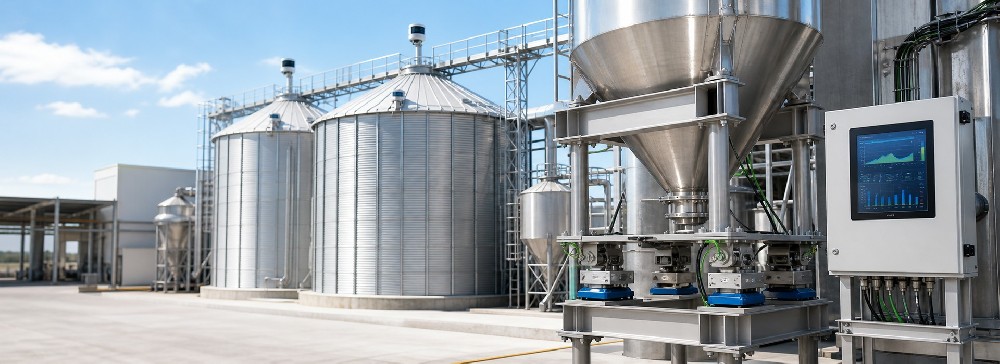

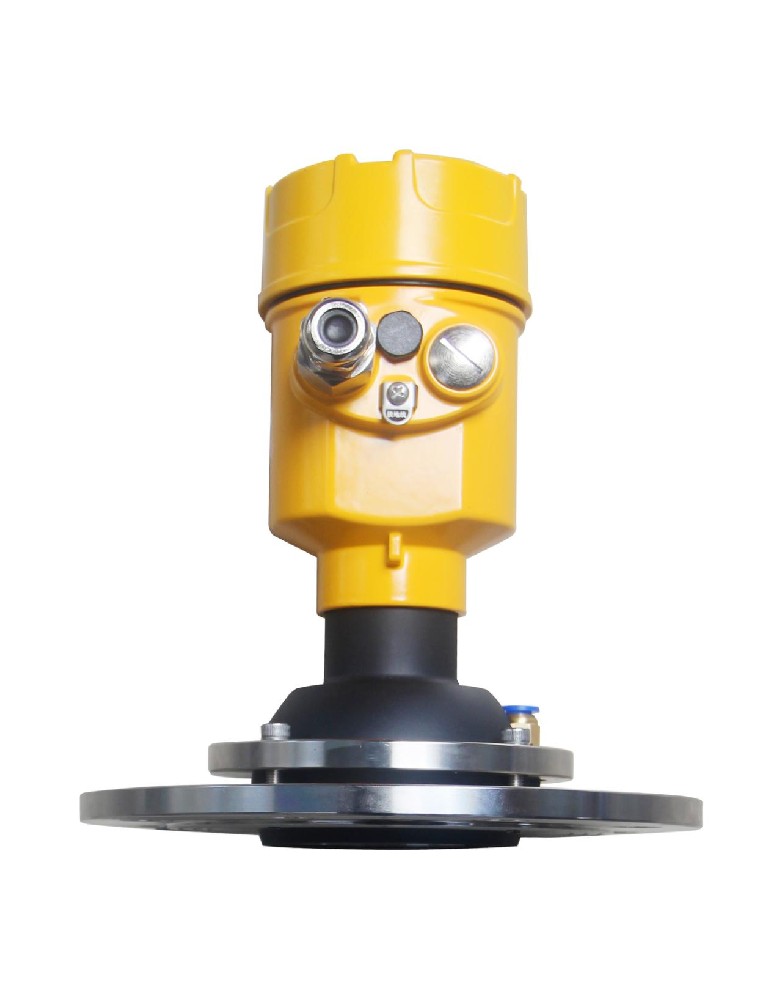
METRAVON MV-RD21S is a radar level meter for bulk solids in ambient-temperature storage. It has a 76 mm PE lens, an 80 GHz measuring frequency and a 3-degree beam. The process range is -40 to 80 deg C, so selection must include the temperature of incoming material, not only the outdoor air around the silo.
A radar level meter for bulk solids, not a weighing system
The instrument measures distance to a reflecting material surface. With the reference height entered correctly, that distance can be reported as level. It does not directly measure average fill height, occupied volume or mass. This distinction matters when a silo operator wants both a high-level indication and a stock figure.
For an inventory estimate, establish how the chosen measurement point represents the pile during both filling and discharge. A vessel conversion table cannot compensate for every changing surface shape. Where tonnes are the required acceptance quantity, define a separate validation method and account for changing bulk density before using a level-based estimate.
Define the installation before choosing the range
| Selection item | Specified value | Practical check |
|---|---|---|
| Distance range options | 0.1-30 m / 0.3-150 m | Include the mounting height above the silo and the closest expected pile surface. |
| Lens / beam | 76 mm PE / 3 degrees | Keep the path clear of the inlet stream, ladders and support members. |
| Flange connection | DN80 or larger | Check bore and nozzle length rather than relying only on bolt compatibility. |
| Process temperature | -40 to 80 deg C | Include freshly loaded material, cleaning and unusual temperature excursions. |
| Process pressure | -0.1 to 0.3 MPa | Check pressure changes during pneumatic filling and vent operation. |
| Stated measuring accuracy | +/-5 mm | Assess installed level performance independently of any inventory calculation. |
Neither listed range guarantees a usable return from every powder or granule at its maximum distance. Provide the material type and known dielectric information, along with dust and buildup conditions. If material can exceed 80 deg C, review the MV-RD21G hot-solids radar rather than treating the PE-lens unit as interchangeable.
Distinguish a surface change from a measurement fault
A level jump during discharge may reflect a collapsing pile, an interfering echo or a signal-processing problem. Compare the time of the change with the filling and discharge records. Check the echo and raw distance before changing the vessel conversion or applying heavy damping. Excessive smoothing can make a display look stable while delaying a real high-level change.
At commissioning, save readings at several accessible reference levels and observe at least the relevant filling and discharge conditions. Also test what the receiving system does when a valid measurement is unavailable. A last-value display without a visible fault indication can mislead operators into treating stale data as a live level.
Signal and enclosure choices
The two-wire option is 24 VDC with 4-20 mA/HART. For an RS485/Modbus network, order the corresponding output configuration and verify its supply, terminal allocation, register scaling and status information. HART and RS485 are different interfaces; the presence of one does not confirm the other.
Specify the housing material for the location: metal options are listed as IP67, while ABS is IP65. Glands and unused-entry seals must maintain the selected protection. For combustible dust or another classified area, obtain the applicable certificate for the ordered version before accepting it for installation.
Questions from silo operators
Q1. Can one central mounting point represent the entire pile?
Not reliably in every silo. The center may see a peak during filling and a depression during discharge. Choose the position using the process geometry, then compare the reading with the quantity the operator actually needs to control.
Q2. Does dust require a different range setting?
Changing the range setting alone does not solve attenuation or deposits. First inspect the echo during dusty operation, check the lens condition and review mounting relative to the inlet. Select filtering only after identifying the cause and confirming an acceptable response time.
Q3. What information makes a replacement quote useful?
Send the existing instrument model, flange and nozzle drawing, cable arrangement, empty distance and maximum fill level. Add the material and temperature limits and state whether the output is used for operator indication, inventory estimation or a control action. These uses require different acceptance checks.
Discuss an MV-RD21S replacement or new installation with the silo drawing and intended measurement task before reusing the existing bracket or wiring.
