


 Chinese
 Spanish
 Russian
 Portuguese
 French
 German
 Indonesian
 Thai
 Vietnamese
 Arabic
 Italian
 Turkish
 Polish
 Japanese


Level Switches
Selecting Hints
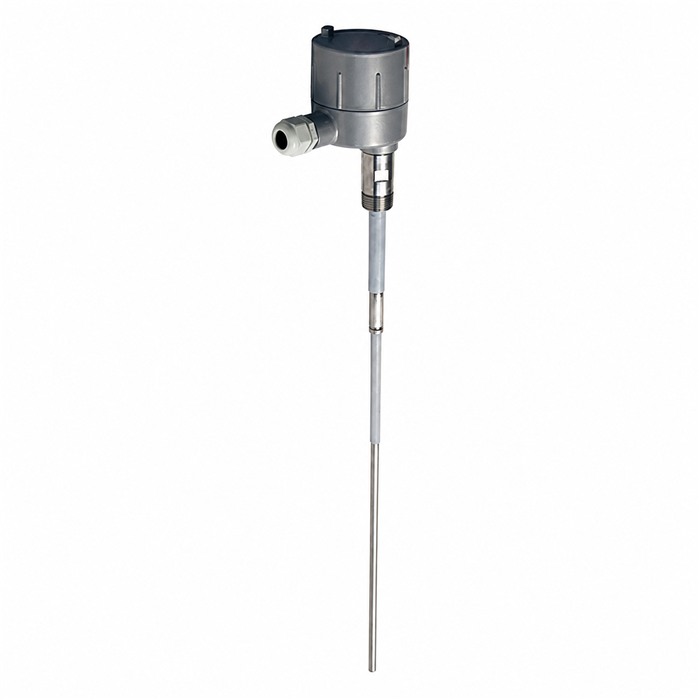
Evaluate METRAVON MV-SP601 for high- and low-level alarms in tanks and silos. Define the trip point, output action and material conditions before requesting a quote.
Describe the action required at the alarm point
A point-level switch changes state when material reaches or uncovers a sensing location. The specification should identify the alarm elevation, the equipment response and the conditions that permit a restart. A full-hopper warning, a low-material warning and an automatic stop may require different control logic even when the sensing principle is the same.
The listed METRAVON MV-SP601 RF admittance switch is a route to assess for material-presence detection. Provide the material, buildup behaviour, vessel drawing, connection and process conditions so the probe and electrical version can be reviewed. The RF admittance selection guide covers the probe mounting checks.
Q1. Can one switch provide a continuous inventory reading?
Its switching state confirms a condition at the sensing point; it does not establish the quantity throughout the vessel. A process that needs a level trend should also assess continuous level instruments. If a separate high-high trip is required, define its independence and test requirements with the system designer.
Q2. What should the alarm test include?
Test material present and absent at the sensing region, the receiving input and the resulting equipment action. Confirm the expected response to lost power and the reset sequence for the supplied configuration. Where the alarm is part of a safety function, verify the complete protective design and the required documentation before relying on the switch.
Provide the alarm duty, material, vessel drawing, sensing elevation, process conditions, supply and receiving input for a switch recommendation and quotation.
