


 Chinese
 Spanish
 Russian
 Portuguese
 French
 German
 Indonesian
 Thai
 Vietnamese
 Arabic
 Italian
 Turkish
 Polish
 Japanese

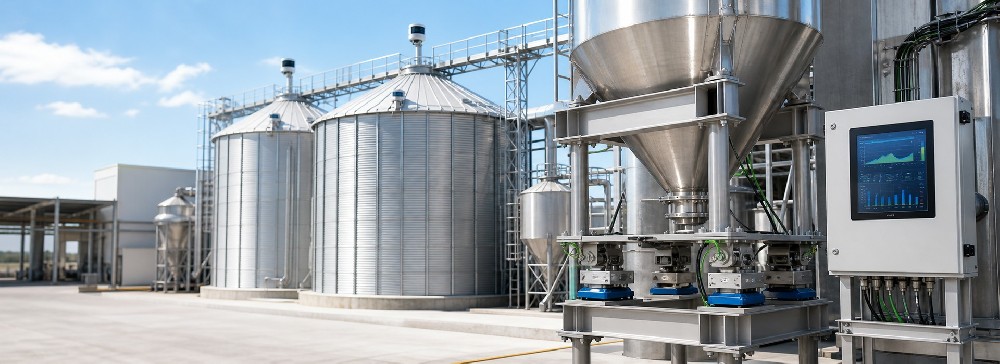

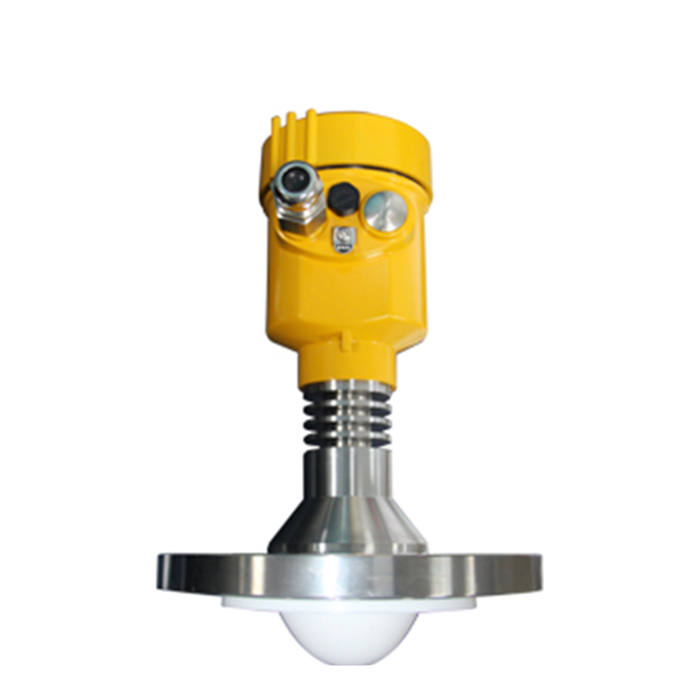
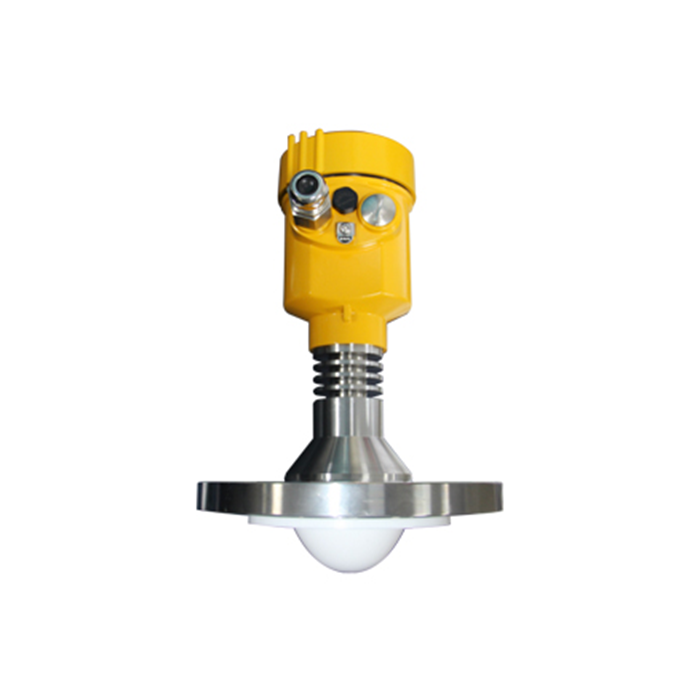
METRAVON MV-RD15G is a high-temperature radar level meter for liquids, specified with a 76 mm PTFE lens, a 3-degree beam and a process temperature range of -40 to 200 deg C. For a heated vessel, the selection must account for operating pressure, startup and cleaning temperatures, and heat reaching the enclosure, not just the normal liquid temperature.
Separate the process temperature from enclosure exposure
The process connection and electronics experience different conditions. A hot nozzle, vessel insulation and a poorly ventilated mounting position can heat the enclosure even when the surrounding plant air is cooler. The 200 deg C process rating is not an electronics ambient rating. Provide a drawing of the nozzle and insulation so the complete installed arrangement can be checked.
List normal operation, startup, shutdown and cleaning separately. Include the pressure that occurs at each temperature. Independently stated temperature and pressure maxima do not establish a permissible operating point at both maxima, and a PTFE lens alone does not establish compatibility of the flange, seals or other exposed parts.
High-temperature radar level meter comparison
| Model | Lens / beam / max. temp. | Connection / range |
|---|---|---|
| MV-RD14G | 44 mm; 6 deg; 200 deg C | DN50 or larger; 0.1-30 m. |
| MV-RD15 | 76 mm; 3 deg; 180 deg C | DN80 or larger; 0.1-30 m or 0.3-150 m. |
| MV-RD15G | 76 mm; 3 deg; 200 deg C | DN80 or larger; 0.1-30 m or 0.3-150 m. |
These are liquid models with PTFE lenses. Select the 76 mm antenna when the available opening and measurement path justify it; a higher temperature limit is not by itself a reason to change the antenna size. MV-RD15G has a listed process pressure range of -0.1 to 2.5 MPa and measuring accuracy of +/-2 mm, subject to the selected assembly and operating conditions.
Steam, condensation and an unstable echo
Non-contact measurement removes an immersed probe, but it does not make the signal immune to foam, heavy vapor or buildup on the lens. Review the echo during heating and filling, rather than accepting a cold, stationary test as the complete commissioning result. Avoid directing the beam through the filling stream or toward an agitator.
Compare the raw distance, local level and control-system value when a fault occurs. A steady raw distance with a changing PLC value points toward scaling or signal handling; a changing distance requires investigation of the echo and process conditions. Check for deposits and condensation using the site's isolation and access procedures before altering calibration.
Specify the electronics and enclosure on the order
The two-wire configuration uses 24 VDC and 4-20 mA/HART. RS485/Modbus and AC-powered versions require their own specified wiring and supply arrangement. State which signal the control system will actually use; do not interpret an options list as a promise that HART, Modbus and relay outputs are all present together.
Metal enclosure options are listed as IP67; the ABS option is IP65. Select cable glands, seal materials and enclosure material for the installation. For a hazardous location, the certificate and permitted installation conditions must match the supplied instrument. A high process temperature rating is not evidence of explosion protection.
Questions for heated-vessel installations
Q1. Does this model measure molten material of any kind?
No universal molten-material suitability follows from a 200 deg C limit. The material must be liquid within the permitted conditions, provide a usable echo and be compatible with all exposed components. Supply its composition and full temperature cycle for review.
Q2. Can insulation cover the extension and enclosure?
Do not extend vessel insulation over these parts without an approved installation arrangement. Changing heat dissipation can raise the electronics temperature. Show the insulation thickness and extent on the mounting drawing.
Q3. What acceptance test is useful before handover?
Compare distance and reported level at accessible reference points, then repeat under normal hot operation. Verify the analog or digital value at the receiving system, including the configured fault response. Record the process state with each result so a hot-process deviation is distinguishable from a scaling error.
Send an MV-RD15G application enquiry with the temperature-pressure operating cases, liquid composition, nozzle drawing and signal requirements. These details define a usable quotation more reliably than the phrase "high-temperature radar."
