


 Chinese
 Spanish
 Russian
 Portuguese
 French
 German
 Indonesian
 Thai
 Vietnamese
 Arabic
 Italian
 Turkish
 Polish
 Japanese

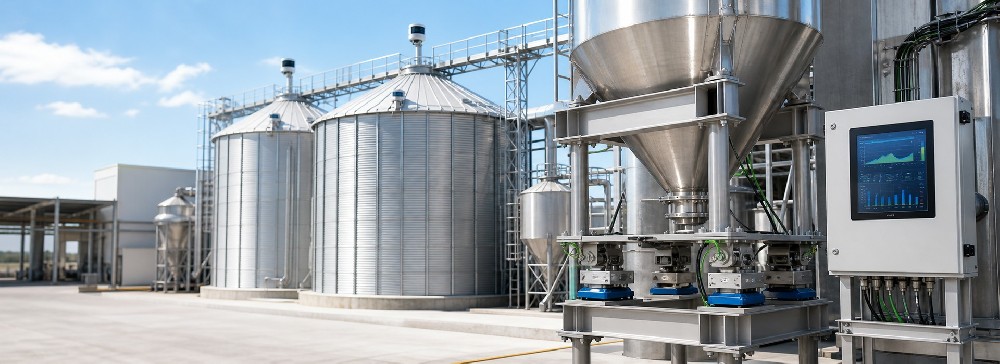

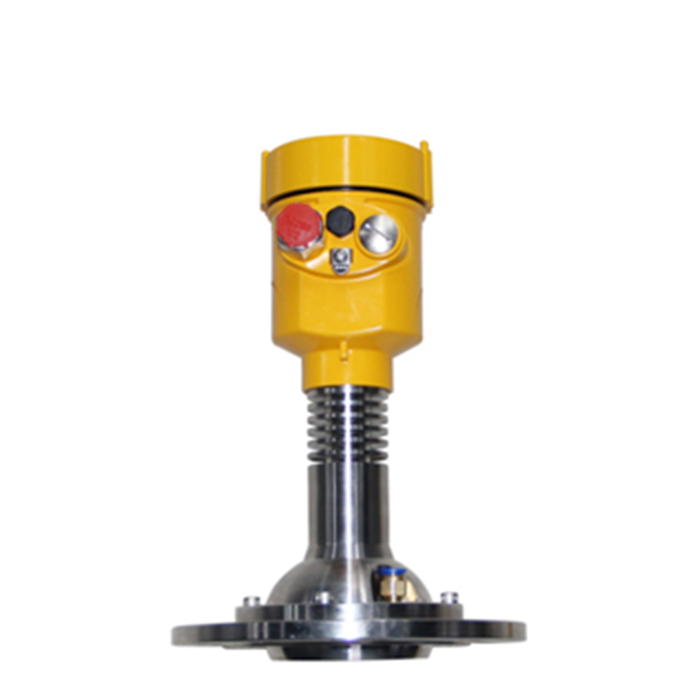
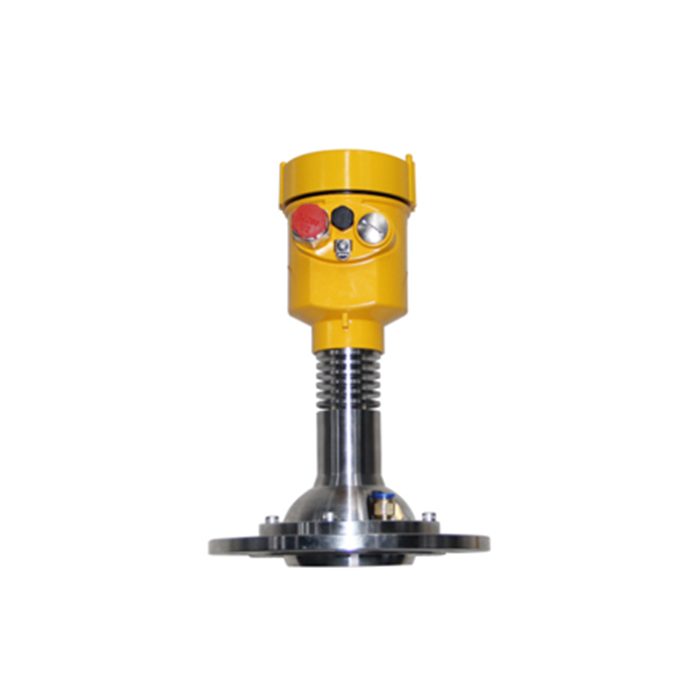
METRAVON MV-RD21G is a radar level meter for hot bulk solids, using an 80 GHz FMCW signal and a 76 mm PTFE lens. It is specified for process temperatures from -40 to 200 deg C. In a silo, the useful measurement depends on where the beam meets the changing material surface, so mounting position deserves as much attention as temperature and range.
Position the beam for filling and discharge
A pile can move toward the inlet during filling and form a depression near the outlet during discharge. A single radar measures the surface within its illuminated area, not an average of the entire silo. Select the measurement point using the inlet position, outlet arrangement and expected pile shape. Do not aim directly into the falling material stream.
The 3-degree beam can help pass between structural features, but it does not eliminate echoes from walls, braces or a long nozzle. Inspect the beam path down to the lowest required material level. Dust concentration and deposits can change during a delivery, so a stable reading while the silo is idle is only one part of the acceptance test.
Radar level meter for hot bulk solids: operating limits
| Item | MV-RD21G | What to confirm |
|---|---|---|
| Distance configurations | 0.1-30 m / 0.3-150 m | Empty distance and highest permitted pile position, measured from the radar reference plane. |
| Process temperature | -40 to 200 deg C | Material temperature and hot gas exposure, including abnormal operating cycles. |
| Process pressure | -0.1 to 0.3 MPa | Normal pressure and pressure excursions during filling or ventilation faults. |
| Antenna / beam | 76 mm PTFE / 3 degrees | Lens clearance, potential deposits and accessible maintenance position. |
| Process connection | Flange, DN80 or larger | Nozzle dimensions, flange standard and sealing materials. |
| Stated accuracy | +/-5 mm | An instrument distance specification, not silo inventory mass accuracy. |
The 0.3 MPa upper process pressure is substantially different from the 2.5 MPa listing of some liquid radar models. Do not transfer that liquid-model rating to this solids instrument. Check the pressure-temperature combination of the selected flange and seal, and assess the electronics environment separately from the hot process.
Turn commissioning into a usable fault record
- Confirm the reference plane and enter the empty distance before applying level scaling. Record the antenna position and orientation.
- Inspect the echo at a known low level. Identify fixed obstructions without suppressing the actual material return.
- Observe a filling cycle and a discharge cycle. Record process state, measured distance and any signal-loss indication.
- Compare the local reading with the receiving PLC or RTU value and test the chosen fault response. Document any filtering that delays detection of a changing level.
A 24 VDC two-wire 4-20 mA/HART version suits a compatible analog input. An RS485/Modbus version requires the corresponding electronics and register documentation. Specify the required interface before cable installation; extra conductors do not convert an analog-only instrument into a digital version.
Questions about hot silo service
Q1. Is a high-temperature version necessary for an unheated silo?
Base the decision on the incoming material and gas temperatures as well as the silo surroundings. For service within -40 to 80 deg C, compare the PE-lens MV-RD21S. The materials and process limits differ, even though both use a 76 mm antenna.
Q2. Will the radar report tonnes in the silo?
Its primary measurement is distance. Converting one surface reading to volume requires a suitable vessel and surface model; converting volume to mass also requires bulk density. Variable pile shape and density can make that estimate unsuitable for stock reconciliation without additional validation.
Q3. Is the instrument approved for combustible dust?
Temperature capability and IP protection do not establish a dust-hazard approval. Provide the site classification and required certification, then verify the certificate against the exact assembly. Metal housings are listed as IP67 and the ABS housing as IP65; neither rating substitutes for that approval.
For an MV-RD21G quotation, send the silo section, inlet and outlet positions, material temperature and pressure limits, expected dust or buildup, distance range and control-system interface. Include access constraints so maintenance does not depend on entering an operating silo.
