


 Chinese
 Spanish
 Russian
 Portuguese
 French
 German
 Indonesian
 Thai
 Vietnamese
 Arabic
 Italian
 Turkish
 Polish
 Japanese


Instrument Freeze Protection: Tracing, Insulation and the Details That Matter
A level transmitter does not have to freeze solid to fail. Condensation in an impulse line, a frozen pressure tap, or an ice bridge across an antenna can all stop a measurement long before the process liquid itself freezes. Freeze protection is a design problem that starts before the instrument is mounted, and the details — where the tracing runs, where the insulation stops, which way the drain slopes — are what decide whether the instrument survives the winter.
What actually freezes in an instrument
The process line may be fine while the instrument is not. The vulnerable points are the small, static volumes where liquid or condensate sits still: impulse lines to a pressure or DP transmitter, the cavity behind a diaphragm seal, a stilling well, or an antenna face where condensate can freeze into an ice lens. In each case the failure is the same — a frozen plug or a dielectric change that shifts the reading.
Reduce avoidable trapped volumes, then design each impulse line for its service. Gas-service lines may need condensate drainage; liquid-service lines often need to remain liquid-filled, and wet reference legs must retain their specified head. Do not drain a required wet leg or assume every impulse line should slope back to the process.
Steam tracing vs electric tracing
Both are common; the choice is about the site, not the instrument.
Steam tracing is cheap to run where process steam already exists, and it delivers a high temperature quickly. Its drawbacks are control and condensation: a steam tracer that is always on can overheat a low-temperature process, and a leaking steam trap adds its own problems. Steam tracing is the traditional choice in refineries and chemical plants where steam is everywhere.
Electric tracing (self-regulating cable) is easier to control — it adjusts its own output to the pipe temperature — and is the practical choice for remote instruments, water plants and any site without steam. Installed cost and maintenance depend on supply, access and controls, and it pairs naturally with a thermostat or controller.
| Factor | Steam tracing | Electric (self-regulating) tracing |
|---|---|---|
| Heat source | Process steam | Electrical supply |
| Control | Manual/trap, harder to modulate | Self-regulating or thermostat |
| Best site | Steam-rich process plants | Remote, water, or no-steam sites |
| Overheat risk | Real for low-temp processes | Low with self-regulating cable |
| Maintenance | Traps and valves | Cable and controller |
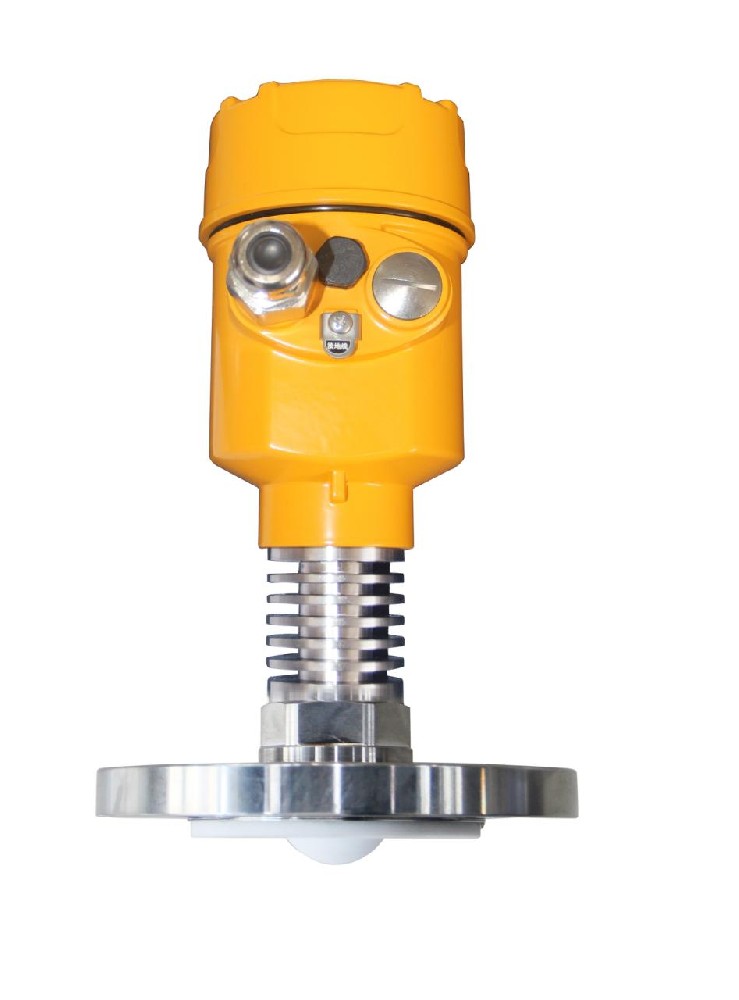
The details that decide whether it works
Trace the required process-side volumes, lines, valves and manifolds within their temperature limits. Include the transmitter body only where the manufacturer permits it; keep electronics and any required cooling section outside insulation or heating that would exceed their rating.
Insulate over the tracing, not under it. The tracing sits on the pipe, and the insulation goes on top of both, so the heat is trapped against the pipe where it is needed.
Route and slope impulse lines for the actual gas, liquid or condensing service. Remove unintended traps while preserving required liquid heads. A low point is not guaranteed to freeze if properly heated, but it adds a cold-point and blockage risk to verify.
Keep the insulation continuous. A gap at a valve, a flange or a bracket is a cold bridge where condensate freezes first.
Use an approved antenna arrangement, enclosure or purge where icing is credible. Preserve the radiating path, drainage and certification; an arbitrary enclosure in front of the antenna may block the signal.
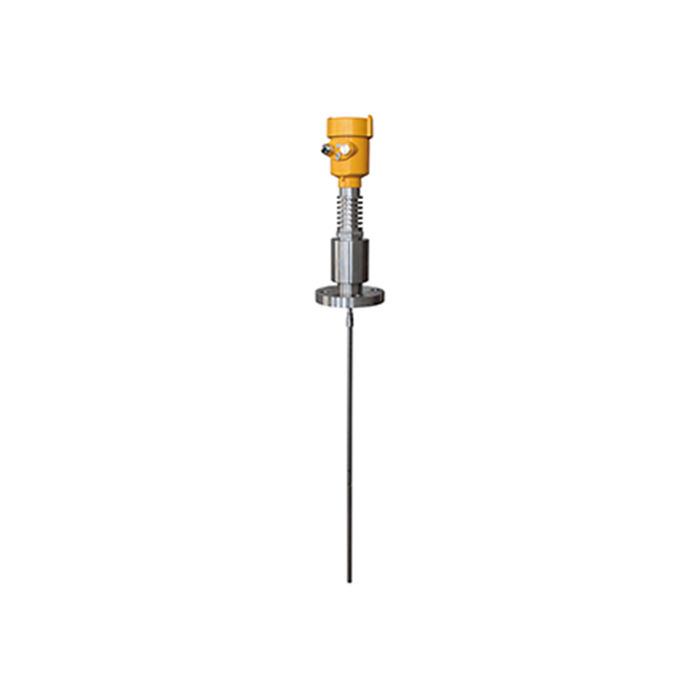
Cold-climate mounting choices
A heated enclosure or process-compatible well may help in some duties, but a stilling well is not inherently freeze-proof and can trap stagnant liquid. Check minimum ambient ratings, fill-fluid viscosity, response time, pressure head and the permitted location of each heated or insulated component.
Questions technicians ask
Q1. What temperature do I actually need to hold?
Establish the minimum process-side temperature from freezing, viscosity and response requirements, with a calculated margin at the coldest point. Also respect maximum device, cable, gasket and hazardous-area temperature limits. A universal 5–10 °C allowance does not qualify the complete assembly.
Q2. Why does my traced instrument still freeze?
Usually an untraced or uninsulated segment — an impulse line low point, a gap at a flange, or the transmitter body itself left bare. Walk the whole run, not just the pipe.
Q3. Steam or electric for a remote tank?
Electric. Running steam out to a remote tank is rarely economical, and a self-regulating cable with a thermostat is the standard answer.
Q4. Does a non-contact radar need freeze protection?
Its antenna and process connection may contact condensate, splash or vapour even without immersion. Ice can alter transmission or block a nozzle. Review the actual exposure and approved mitigation rather than assuming that non-contact means no exposed process parts.
