Chinese
 Spanish
 Russian
 Portuguese
 French
 German
 Indonesian
 Thai
 Vietnamese
 Arabic
 Italian
 Turkish
 Polish
 Japanese


Radar vs Magnetic Level Gauge: The Case for a Visible Level
A magnetic level indicator can provide local power-free indication using a float in a chamber and an external flag display. Radar can provide a measured value and a local powered display or remote signal. Compare the required functions and applicable rules; a magnetic indicator must not be assumed to replace a boiler gauge glass merely because it is visible.
What the gauge actually is
A magnetic level gauge, also called a magnetic level indicator, is a bypass chamber connected to the vessel at two points, usually with isolation valves. A float containing a set of permanent magnets rides inside the chamber. Outside the chamber, a track of small magnetic flags, each painted one colour on one face and another on the reverse, turns as the float passes. The boundary between the two colours is the level, read against a scale.
A suitably designed chamber can be isolated for maintenance, but safe work requires the approved isolation, pressure release, draining, cooling and permit procedure. Closed valves alone do not prove safe removal.
A compatible magnetostrictive transmitter can detect the float magnetic position and provide a remote signal. Performance and output options are model-specific. It shares the float and chamber conditions with the visual indication.
| Item | Magnetic chamber indicator | Radar |
|---|---|---|
| Local indication | Power-free flags in a suitable design | Appropriate powered display or receiving system |
| Primary dependency | Buoyancy, float movement and chamber exchange | Reflection, reference and target selection |
| Remote signal | Optional compatible transmitter | Ordered interface and receiving system |
| Process ratings | Complete chamber, float, seals and connections | Complete antenna/probe, seal and connection |
| Failure review | Taps, valves, deposits and float condition | Path, deposits, mounting and diagnostics |
| Code acceptance | Exact device and applicable jurisdiction | Exact device and applicable jurisdiction |
The failure that matters most: a plugged chamber
The chamber and connections must exchange fluid sufficiently to represent the vessel. Their size and susceptibility to deposits are design- and process-specific.
| Possible fault | What to establish |
|---|---|
| Restricted connections | Whether chamber level follows the vessel |
| Float deposits or damage | Buoyancy, freedom of movement and compatibility |
| Ice or solidification | Process temperature and approved thermal design |
| Flag malfunction | Actual magnetic coupling and display condition |
| Isolation state | Correct authorised valve lineup after maintenance |
| Density variation | Float selection and indication reference across the product range |
The closed-valve row is worth a mention because it is not a failure of the instrument at all. A gauge that was isolated for maintenance and never reopened displays a perfectly plausible level from last week, and the flag display looks normal. Only a comparison with another instrument finds it.
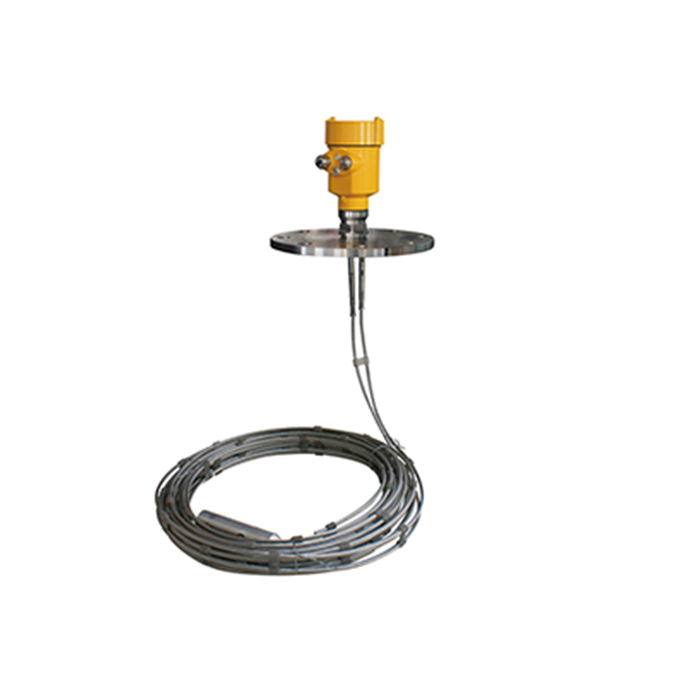
Check the actual boiler and local-indication requirements
Boiler water-level indication and protection must follow the applicable code edition and authority requirements. A magnetic indicator is not automatically accepted as a gauge-glass substitute. Obtain a competent, clause-specific review of the required indication, remote devices and protective functions.
Do not remove an existing code-required indication or protective device based on a general comparison article. A visible flag track, digital display and direct gauge glass are not interchangeable simply because an operator can read them.
Outside code-specific duties, local readability and availability without power can be useful operational requirements. Define the actual viewing position, access, lighting and required remote information.
Where radar wins
Radar may serve continuous measurement and remote integration where its application limits are met. A magnetic indicator with a suitable transmitter can also provide a signal; compare the complete arrangement.
No chamber, no plugging. A radar has no small-bore connections to block. In slurry, crystallising or polymerising service, that alone removes the dominant failure mode of a magnetic gauge.
Diagnostics. Radar diagnostic coverage varies by model and cannot guarantee every plausible wrong reading is detected. Compare required faults and their verified response.
Trending and control. Either a radar output or a compatible magnetic-gauge transmitter may be integrated when the receiving system and required function are supported.
Pressure and temperature. Compare the complete assembly ratings and approval conditions for both systems. A generic 40 bar or 200-degree ceiling is not valid for every radar.
Installation. One nozzle on the top of the tank against two connections on the side, with isolation valves and a chamber that has to be supported.
When local and remote indications are both needed
Where both functions are required, compare separate instruments with an integrated chamber/transmitter arrangement. Review common causes and the required independence rather than assuming one architecture is best for every plant.
Magnetic indication. Specify the actual process ratings, chamber exchange, safe isolation and the approved verification method. Do not prescribe an in-service blowdown for every process.
Radar on a separate nozzle for the control signal, with its own diagnostics and trending.
A disagreement can provide diagnostic information, but faults can share process, power, connection or maintenance causes. Establish any credited independence through the full architecture and testing assessment.
The alternative — a magnetic gauge with a magnetostrictive transmitter — is cheaper and gives a visual reading plus a signal from one element. It is a good solution in clean service. It is a poor solution in dirty service, because both the visual and the signal fail at the same moment, for the same reason, and the redundancy is illusory.
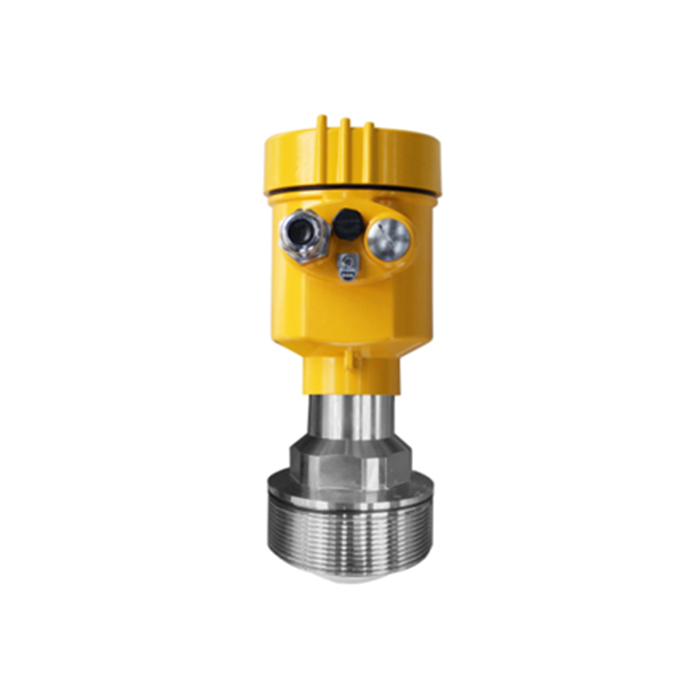
Sizing the float for the product
A magnetic-gauge float is designed for the expected phase densities and process limits. Density variation can change immersion and indication; calculate the actual sign and magnitude from the float and calibration geometry rather than a universal offset.
For multiple products, verify buoyancy, travel and calibration over the complete density and temperature range. Selecting only the lowest density does not replace the full float and chamber review.
Frequently asked questions
Q1. Can a radar replace a magnetic level gauge?
Sometimes, for a particular measurement role. Retain any required local or code-defined indication until the applicable requirements and approved replacement architecture have been established.
Q2. Why does a magnetic level gauge get stuck?
Possible causes include restricted chamber exchange, float deposits, mechanical damage, isolation state and display faults. Inspect through the approved procedure and compare with an independent reference.
Q3. Is a magnetostrictive transmitter as good as radar?
Compare the actual specifications and installed conditions. An integrated transmitter shares the float and chamber with the visual indication, so it is not an independent measurement of a plugged or isolated chamber.
Q4. What pressure and temperature can a magnetic gauge handle?
Use the exact chamber, float, connection, seal and temperature-pressure rating. Maximum pressure and temperature from different options must not be combined as one guaranteed operating point.
Q5. Do boiler codes require a magnetic level gauge?
Check the governing code edition and authority. A magnetic flag indicator is not automatically a permitted substitute for a required gauge glass or other water-level arrangement.
Q6. Can a magnetic gauge measure interface?
Suitable magnetic-float designs can indicate an interface when the phase densities, float arrangement and chamber behaviour permit it. Guided-wave and other methods are alternatives with their own layer and process limits.