


 Chinese
 Spanish
 Russian
 Portuguese
 French
 German
 Indonesian
 Thai
 Vietnamese
 Arabic
 Italian
 Turkish
 Polish
 Japanese


Level Measurement in Pulp and Paper Mills: Foam, Scale and Consistency
Pulp and paper mills combine foaming liquids, fibrous stock, scaling chemicals and hot recovery-process streams. A level instrument must measure the intended surface while remaining maintainable in that service. Separate the measurement problem from the condition of the nozzle, seal and process connection; changing the electronics will not remove a blocked or coated installation.
Different streams need different assessments
| Service | Main measurement issue | Installation concern |
|---|---|---|
| Black liquor | Foam, changing concentration and deposits | Temperature, compatibility and safe cleaning arrangements |
| Green or white liquor | Scaling and chemical exposure | Full exposed-material list and accessible connection |
| Stock chest | Fibres, agitation and a moving surface | Probe loading, buildup and a representative measuring point |
| Lime-mud tank | Dense slurry and crust formation | Deposits, abrasion and the defined surface to be measured |
| Digester | Pressure, temperature and vapour | A fully rated pressure boundary and suitable process technology |
Avoid assigning one solids concentration or temperature to an entire mill stream. Weak and concentrated liquors can have very different conditions, and startup or washing may set a more demanding instrument limit than normal operation.
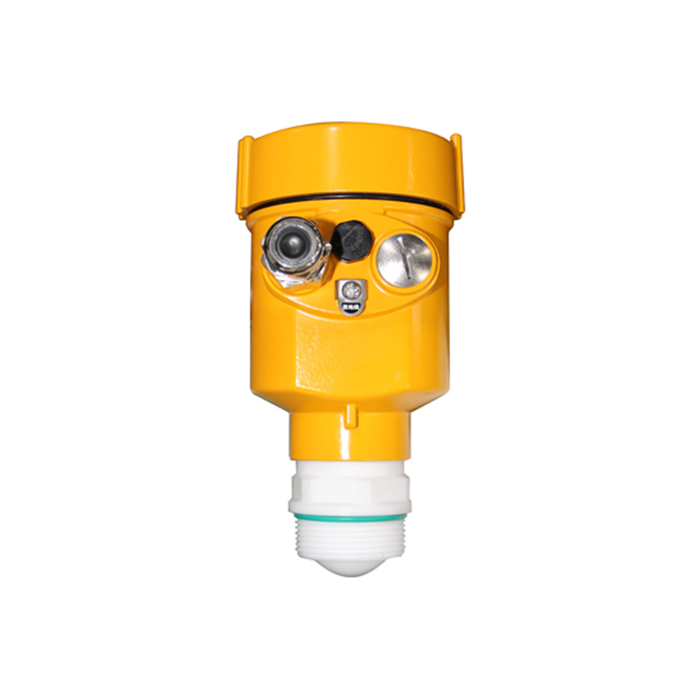
Black liquor: foam and deposits are separate effects
A radar may return an echo from the foam, the underlying liquid or another target as the foam changes. Agree whether the process needs liquid level, foam height or an alarm on the upper occupied space. Validate that quantity rather than assuming a smooth reading is correct.
Deposits on the antenna face or nozzle can attenuate the return and introduce near-end reflections. Retain a clean baseline echo curve and compare it with the operating curve before altering the false-echo map. A map that suppresses a real changing target can hide the problem rather than solve it.
Cleaning must follow the mill's approved procedures. Do not inject water into a hot liquor or recovery-process system simply to clear an antenna. Isolation, cooling, chemistry and the consequences of introducing liquid must be reviewed by the responsible process team.
Stilling arrangements and guided-wave probes
A chamber or stilling tube can reduce surface disturbance if it remains hydraulically representative. Fibres, scale and restricted openings may prevent liquid exchange, producing a stable but incorrect reading. A quiet chamber is useful only when its level follows the vessel.
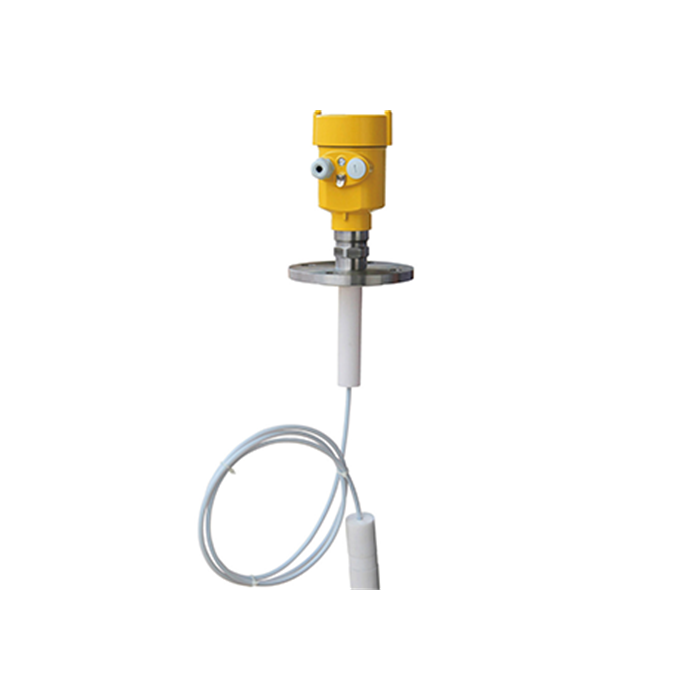
Guided-wave radar is an option where a suitable probe can tolerate the process and be maintained. Coating, fibre entanglement and loads from agitation or flow must be assessed. It does not universally ignore foam or buildup.
For non-contact radar, examine beam clearance past agitators, baffles, spray devices and internal supports at both high and low level. A narrow beam may help avoid structures, but does not remove the effects of a moving surface or antenna deposits.
Stock chests and lime mud
In a stock chest, the fibrous surface may itself be the relevant level boundary. Define the intended variable and compare the sensor with that boundary under the expected consistency and agitator conditions. Avoid calling every fibre mat a false reading without considering the process objective.
Contacting devices can experience drag and buildup. Non-contact devices can face crusts and splashes. The decision should consider both signal behaviour and the maintenance work needed to keep the sensing path usable.
For lime mud, include settled solids, crust formation and changes during filling or dilution in the acceptance test. A surface gauge does not by itself describe the solids concentration or the bed profile below it.
Pressure measurement and high-temperature service
A DP instrument can be suitable when the pressure reference and density assumptions are controlled. Distinguish three different problems: a blocked process impulse line, coating on a remote-seal diaphragm and temperature effects in the sealed fill system. Process material does not normally flow into an intact remote-seal capillary.
For digesters and hot liquor vessels, verify process temperature and pressure together, including cleaning and upset conditions. Remote electronics may protect the transmitter from heat, but do not increase the rating of the process seal, antenna or pressure boundary. Material and gasket selection must be supported by the actual chemistry and ordered configuration.
Verification and maintenance planning
| Check | Useful evidence |
|---|---|
| Actual level comparison | Reference method, operating state and acceptance tolerance |
| Agitation and transfer | Trend and echo behaviour through normal disturbances |
| Chamber communication | Evidence that its level follows the main vessel |
| Deposit inspection | Location, severity and time since the last cleaning |
| Control and alarms | Scaling, signal quality indication and intended failure response |
| Return to service | Mechanical checks and comparison with the saved configuration |
Set inspection intervals from the observed deposit rate and operating consequence. A universal annual lens cleaning or fixed wash frequency cannot account for different liquor and fibre services.
Provide METRAVON with stream composition, consistency range, temperature-pressure limits, vessel internals, current maintenance history and the required control variable. This is more useful than specifying a replacement only by nominal range.
FAQ
Can radar measure through black-liquor foam?
It may, but the result depends on the foam and instrument arrangement. Validate whether the reading follows liquid level or foam height during the actual operating cycle.
Will a stilling tube solve stock-chest instability?
Not necessarily. Fibres and deposits can restrict exchange with the vessel. Verify hydraulic communication and cleanability before relying on the chamber reading.
Does process liquor block a remote-seal capillary?
Not in a correctly sealed system. Coating of the process diaphragm, blockage of an impulse line and problems within the sealed fill system are different failure mechanisms.
Can water be used to clean a hot liquor antenna online?
Only under an approved process-specific procedure. Water addition can create serious process hazards; do not retrofit a wash solely as an instrument-maintenance measure.
Is a fibre mat always a false level?
No. It may be the surface relevant to the operation. Define the required measurement and validate it under the expected stock and agitation conditions.
What determines a digester instrument's temperature limit?
The complete ordered assembly and its pressure-temperature envelope, including seals and installation conditions. Moving the electronics away does not upgrade the process boundary.
Related applications
Level Measurement in Mining and Mineral Processing: When the Product Destroys the Sensor | High Temperature Level Measurement: What Works from 150 °C to 450 °C
