


 Chinese
 Spanish
 Russian
 Portuguese
 French
 German
 Indonesian
 Thai
 Vietnamese
 Arabic
 Italian
 Turkish
 Polish
 Japanese

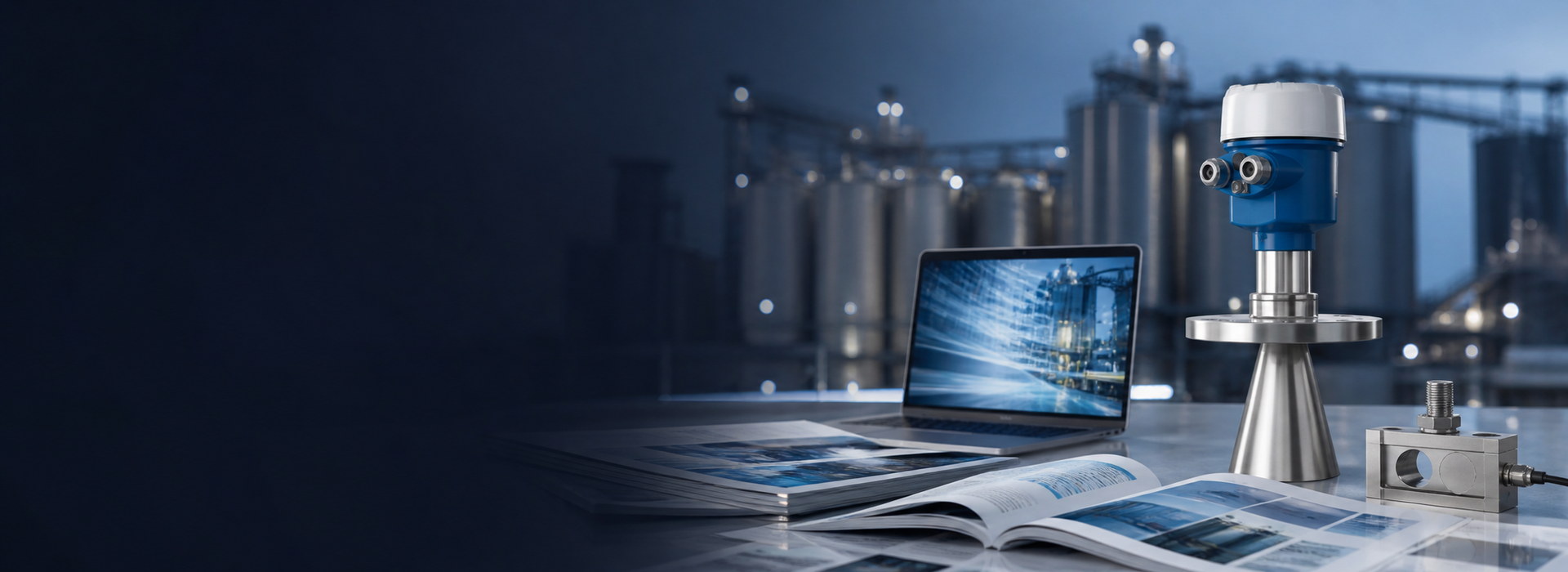
METRAVON Chemical Instrument Maintenance Guide: Inspection, Troubleshooting and Preventive Maintenance
Temperature, pressure, flow, level and analytical instruments in chemical plants do more than display process values. They may directly participate in control loops, alarms and safety interlocks.
Instrument management should therefore not be limited to replacing equipment after failure. A better objective is to identify drift, blockage, corrosion, buildup, wiring faults and communication problems before they affect production.
1. Why Does Instrument Maintenance Directly Affect Plant Reliability?
Typical consequences include:
- Pressure-measurement drift causing control error;
- Incorrect level measurement producing false alarms;
- Flow-measurement errors affecting dosing or batching;
- Temperature-sensor failures affecting heating or cooling;
- Analyzer drift affecting product quality or emissions control.
Instrument maintenance is therefore both an equipment-management issue and a process-control issue.
2. Do Not Treat Every Abnormal Reading as an Instrument Hardware Failure
An incorrect process value may come from:
- An actual process change;
- The sensor;
- Power supply;
- The 4–20mA loop;
- A barrier or isolator;
- Digital communication;
- Installation;
- PLC/DCS scaling;
- Configuration parameters.
Accurate diagnosis is therefore more important than immediately replacing the transmitter.
3. Corrective, Preventive and Condition-Based Maintenance
| Maintenance Type | Main Approach |
|---|---|
| Corrective maintenance | Repair after a fault occurs |
| Preventive maintenance | Scheduled inspection and verification based on risk |
| Condition-based maintenance | Maintenance triggered by diagnostics, trends and actual condition |
Modern chemical plants usually need a combination of all three approaches.
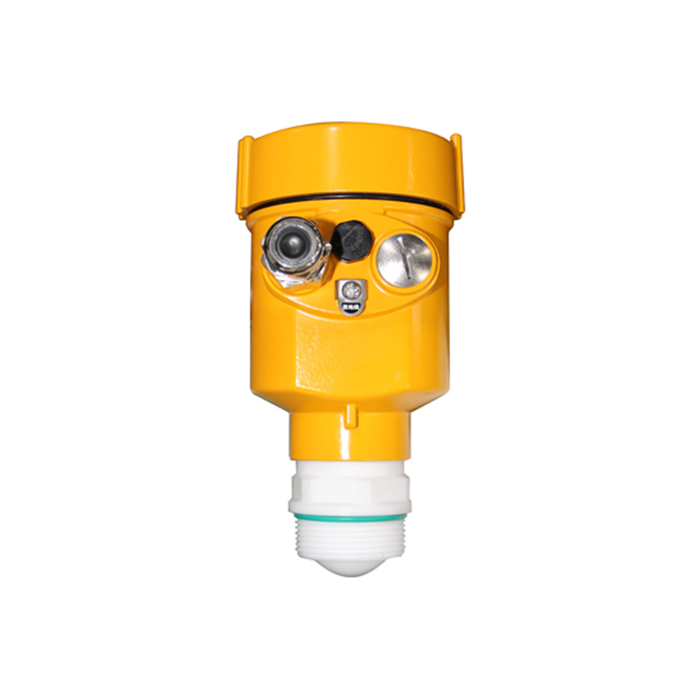
4. Instruments Should Be Managed by Criticality
Not all instrument failures have the same consequence, so every device does not need the same maintenance frequency.
Typical categories may include:
- Safety-related measurement points;
- Critical production instruments;
- General process instruments;
- Auxiliary monitoring points.
Higher-criticality devices normally require stricter inspection, spare-parts, testing and response procedures.
5. Routine Inspection Should Not Be Limited to “Is There a Number on the Display?”
Useful field checks include:
- Whether the reading is reasonable for the actual process;
- Diagnostic or alarm status;
- Leakage at process connections;
- Blocked impulse lines;
- Buildup on radar antennas;
- Contaminated analytical electrodes;
- Water ingress, loose glands or terminal corrosion;
- Communication status.
6. Recommended Troubleshooting Sequence
- Confirm the actual process condition.
- Check the local instrument display.
- Compare the PLC/DCS value.
- Measure the actual output signal.
- Read diagnostic information.
- Inspect the process connection and sensing element.
- Check configuration and engineering units.
- Only then decide whether a hardware fault exists.
7. Why Measure Actual Terminal Voltage on Two-Wire Instruments?
A 24VDC power supply in the control cabinet does not guarantee that the field transmitter receives sufficient voltage.
Barriers, isolators, PLC inputs, resistors, wiring and long cable runs all create voltage drop.
Power-supply problems should therefore be checked by measuring the voltage directly at the instrument terminals under operating conditions.
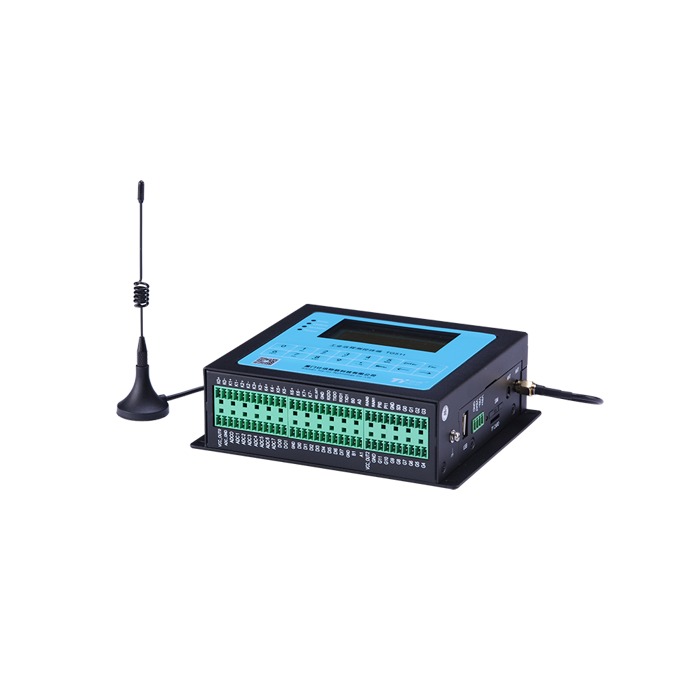
8. Parameter Changes Must Be Traceable
Before changing range, damping, alarm values, output direction or communication settings, save the original configuration.
At minimum, record:
- Date and time;
- Parameter changed;
- Original value;
- New value;
- Reason for change;
- Result after verification.
9. What Baseline Data Should Be Saved for Critical Instruments?
- Model and equipment identification;
- Configured range;
- Complete parameter backup;
- Normal process values;
- Calibration or verification records;
- Maintenance history;
- Key diagnostic data.
For radar level transmitters, saving a normal echo curve can provide a valuable baseline for future fault analysis.
10. Different Instruments Need Different Maintenance Priorities
| Instrument | Main Maintenance Focus |
|---|---|
| Pressure transmitter | Diaphragm, impulse lines, manifolds, zero and leakage |
| Radar level transmitter | Antenna, buildup, echo, parameters and reference height |
| Magnetic level gauge | Float, bypass chamber, deposits and crystallization |
| Electromagnetic flowmeter | Electrodes, liner, grounding and empty-pipe condition |
| pH / ORP analyzer | Electrode contamination, reference system, verification and temperature compensation |
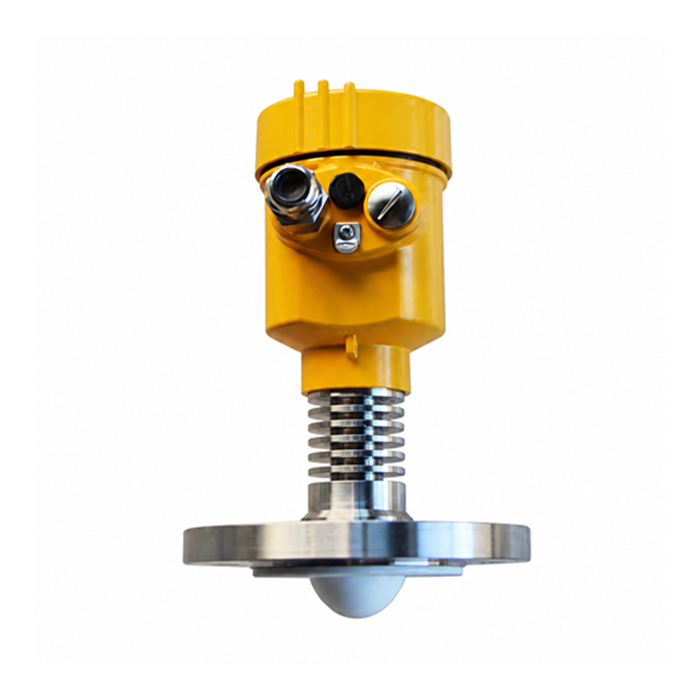
11. Repeated Failures Should Be Treated as an Engineering Problem
If the same measuring point repeatedly fails in the same way, replacing the instrument again may not be the best solution.
Examples include:
- Repeated impulse-line crystallization may require a different pressure connection;
- Persistent radar antenna buildup may require installation or antenna redesign;
- Repeated magnetic-float sticking may require review of viscosity, crystallization and float selection;
- Recurring vibration problems on a flowmeter may require installation changes or a different measurement principle.
12. Hazardous-Area and Safety-Interlock Instruments Need Separate Controls
Repairing an instrument in a hazardous area must restore both measurement function and the original explosion-protection integrity.
Measurement points associated with safety instrumented systems or critical interlocks should also follow approved bypass, testing, maintenance and restoration procedures.
Certification-related components should not be replaced casually, and safety functions should not remain bypassed for convenience.
13. Why Maintenance Records Should Form a Closed Loop
A useful maintenance record should include:
- Observed fault;
- Actual process condition;
- Diagnostic data;
- Root cause;
- Corrective action;
- Parts replaced;
- Verification after restoration.
Over time, these records reveal high-failure measurement points and support improvements in instrument selection and installation.
14. Conclusion
Good chemical instrument maintenance is not measured by how often equipment is repaired. It is measured by how early condition changes are detected and how accurately process, installation, electrical, configuration and hardware problems are separated.
A structured system of instrument criticality ranking, baseline records, parameter backup, spare-parts management and closed-loop fault reporting improves the long-term reliability of the entire process measurement system.
