


 Chinese
 Spanish
 Russian
 Portuguese
 French
 German
 Indonesian
 Thai
 Vietnamese
 Arabic
 Italian
 Turkish
 Polish
 Japanese

Radar level site trials can answer whether an instrument follows the intended surface, but the result belongs to the arrangement actually tested. A radar temporarily held above an open vessel has not demonstrated performance through a later nozzle, adapter or closed roof. Define which decision the trial will support before treating it as permanent acceptance.
Write the question before arranging the test
A trial may investigate a weak return, foam behaviour, an obstructed path or agreement with a reference. Choose observations that answer that question. Record the tested medium, liquid levels and operating states, including any conditions that were unavailable. A calm clean-water demonstration is not equivalent to the process duty unless the relevant conditions are genuinely the same.
Use a secure, approved temporary mount with safe access and compatible exposure. Do not suspend the instrument by its cable or improvise a fitting on a pressurised vessel. The temporary arrangement needs engineering control even though it will be removed after the test.
Radar level site trials need a transfer check
| Difference | What must be reconsidered |
|---|---|
| Position | Antenna height, aiming direction and the surface region observed. |
| Opening | Added nozzle length, reducers, sealing parts or roof material in the path. |
| Process | Conditions absent during the trial, including mixing, filling or cleaning. |
| Signal | Any difference between the test receiver and the final PLC or RTU chain. |
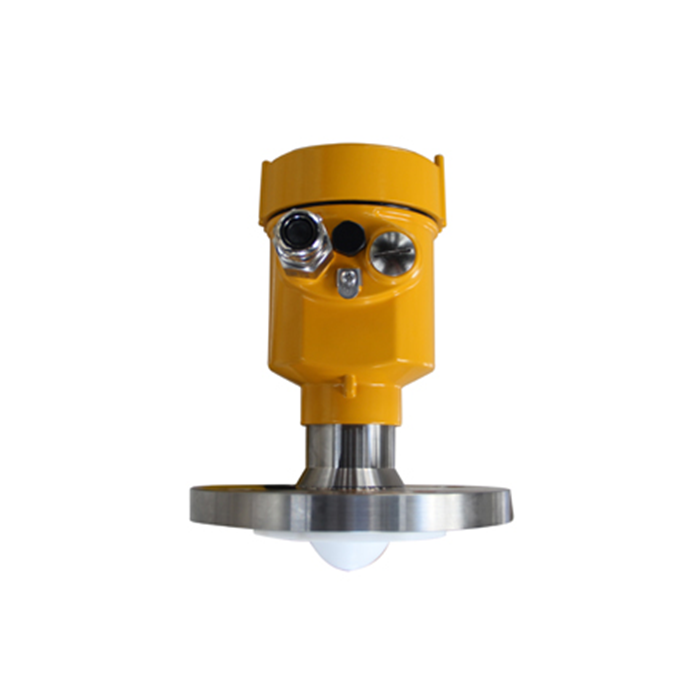
The METRAVON MV-RD12 has a published 32 mm lens and nominal 8-degree beam. If the trial used an open path, compare those dimensions with the proposed permanent nozzle. A strong return in the temporary position does not resolve reflections introduced by an untested extension.
Keep observations separate from acceptance decisions
Record raw distance, the independent reference, validity information available from the instrument and the receiving value. Annotate settings changed during the trial and retain the earlier observations. Otherwise a final good screenshot may conceal the conditions that failed.
The report should state what was demonstrated, what changed for permanent installation and which checks remain. Use the measurement-availability review when gaps during operation matter. Do not convert a limited successful test into an unconditional guarantee for all process states.
Q1. Can the same settings be copied to the permanent installation?
Retain them as a starting record only where the configuration is applicable. Recheck geometry-dependent settings and any masking against the final mounting before accepting the measurement.
Q2. What if the difficult operating condition cannot be reproduced?
Name it as untested and agree how it will be assessed later. The report should not imply that a fill, foam or cleaning condition was demonstrated when it was absent.
Summary
Use trial evidence within its tested limits and verify changes before permanent release. Send the trial record and final installation drawing for an MV-RD12 application review.
