Chinese
 Spanish
 Russian
 Portuguese
 French
 German
 Indonesian
 Thai
Thai Vietnamese
 Arabic
 Italian
 Turkish
 Polish
 Japanese

Key points for selection
Measuring range 0.5~30000kg; output sensitivity 2.0±0.015mV/V. First determine the capacity based on the maximum load and number of supports, and then check the structural dimensions, dynamic coefficients, materials and protection requirements.
Product overview
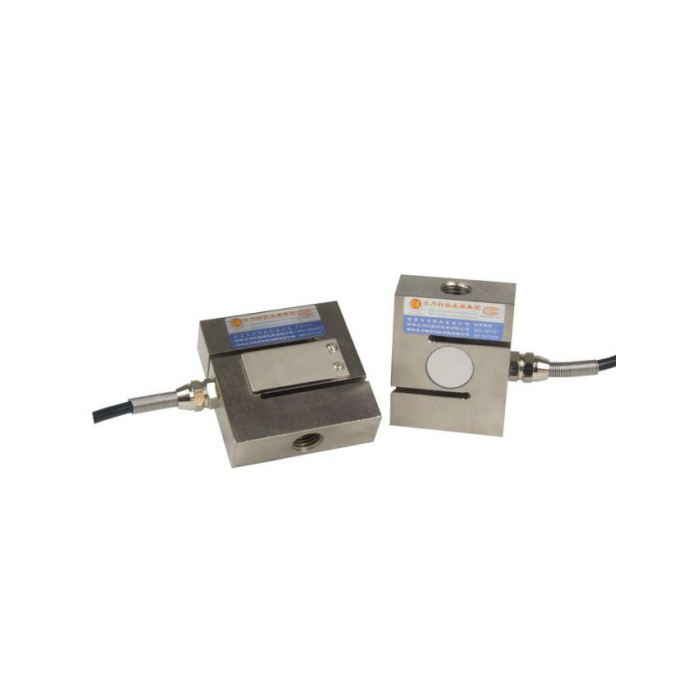
MV-LC0092 is an S-type sensor, which is used to convert weight or force into electrical signals that can be collected by weighing indicators. It is suitable for purchase inquiry, replacement verification and preliminary project selection.
Applicable scenarios and purchasing value
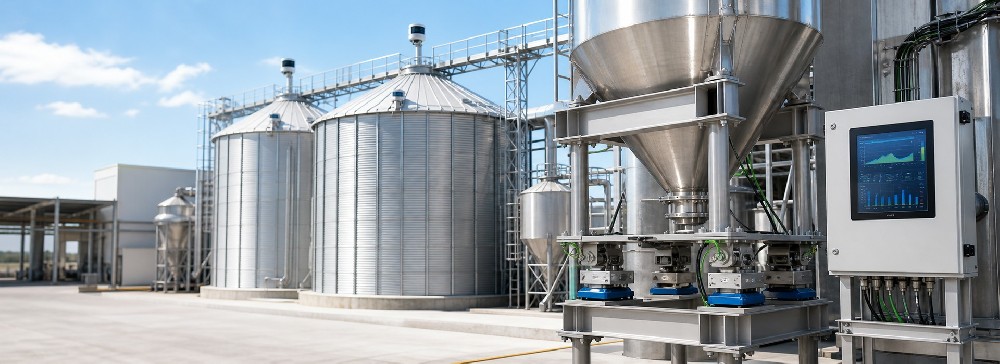
Suitable for tank weighing, testing machines, press equipment and tension and pressure testing.
When purchasing, you should first check the rated load, force direction, installation dimensions and instrument interface, and then determine the specifications based on impact, eccentric load, temperature and protection conditions. When using for replacement, it is also necessary to confirm whether the hole position, wire system and output sensitivity are compatible.
Technical parameters
| Rated load/range | 0.5~30000kg |
|---|---|
| Output sensitivity | 2.0±0.015mV/V |
| Accuracy or non-linearity | 0.05%FS |
| Input impedance | 380±5Ω(ohms) |
| Output impedance | 350±2Ω(ohms) |
| Working temperature | -40~+85℃ |
| Safe overload. | 200% F.S |
| Extreme overload | 500% F.S |
| Excitation/operating voltage | 10~12 VDC |
| Protection level | IP67/IP68 |
| Material | Alloy steel or stainless steel, S-shaped parallel beam |
Selection steps
- Determine the maximum net weight, scale body weight and number of supports.
- Evaluate shock, vibration, eccentric load, wind load and additional pipeline forces.
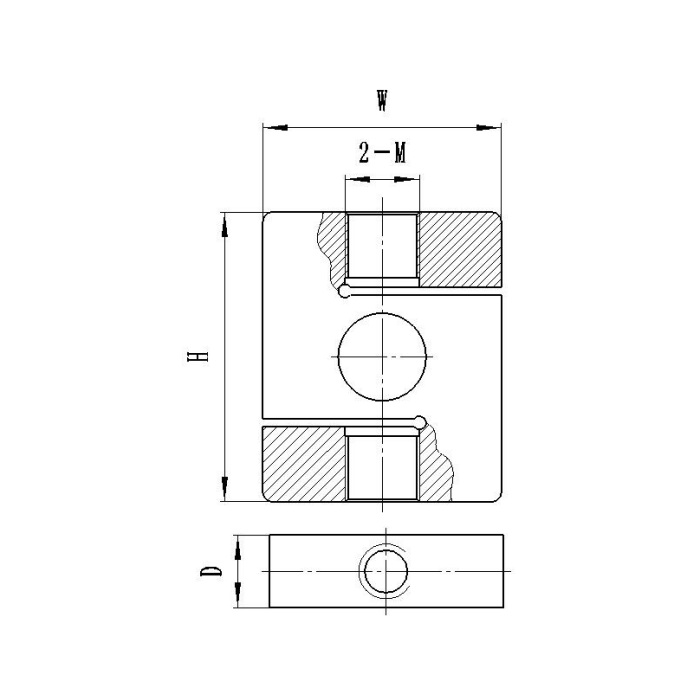
- Check the structure, mounting hole location, force direction and available space.
- Match output sensitivity, bridge impedance, excitation voltage and instrument interface.
- Confirm material, protection level, temperature and explosion protection requirements.
Installation and commissioning suggestions
- The mounting surface should be flat and rigid enough to prevent the sensor from bearing torque and lateral forces.
- When welding or working with high current, do not allow current to pass through the sensor.
- Cables should be kept away from power lines, and the shielding layer should be handled according to the system grounding scheme.
- Complete no-load, segmented loading, full load and zero return inspections before putting it into operation.
FAQ
How to choose the measuring range of MV-LC0092?
The rated load/range of this model is 0.5~30000kg. The engineering selection also takes into account the scale's own weight, the maximum weight of the material, impact and eccentric load, and cannot just be selected based on the normal working weight.
How does the output signal of MV-LC0092 match the instrument?
The output sensitivity is 2.0±0.015mV/V, and the excitation or operating voltage is 10~12 VDC. The meter needs to support the appropriate millivolt signal, bridge impedance and supply range.
Is the MV-LC0092 suitable for wet, dusty or outdoor environments?
The protection grade is IP67/IP68, the material is alloy steel or stainless steel, S-shaped parallel beam. In outdoor or wash-down environments, it is also necessary to confirm the wiring port sealing, water accumulation prevention and anti-corrosion measures.
What is the allowed operating temperature of MV-LC0092?
The working temperature is -40~+85℃. If there is high-temperature radiation, low-temperature condensation or rapid temperature changes on site, this should be stated when enquiring.
Does safe overload mean that it can be used beyond the range for a long time?
No. The safe overload is 200% F.S. This value is used for short-term protection judgment and does not mean that it can operate over the range for a long time.
What weighing errors are most likely to be introduced during installation?
Uneven foundation, deflection of force direction, lateral force, pipeline pulling and tightening preload may cause zero point drift or poor repeatability. After installation, no-load, segmented loading and zero return inspections should be carried out.
What applications are S-type sensors suitable for?
Suitable for tank weighing, testing machines, press equipment and tension and pressure testing.
What should we pay attention to when multiple sensors form a weighing system?
The measuring range, output sensitivity and impedance should be unified, the angle adjustment range of the junction box should be checked, and the force on each fulcrum should be as uniform as possible; the system should also consider the arrangement of fixed, semi-floating and floating supports.
Is it okay to just check the range when replacing an old sensor?
No. In addition to the measuring range, the overall dimensions, installation hole positions, force direction, sensitivity, input and output impedance, wire system, material and protection level must also be checked.
What process condition information is required for inquiry and ordering?
Please provide the maximum net weight, scale body weight, number of supports, dynamic or static load, installation dimensions, output and power supply, ambient temperature, protection or explosion-proof requirements and supporting instrument information.
Ordering instructions
The measurement range listed in the supplier's sample is relatively large. Please confirm the maximum range, structural dimensions and calibration capabilities in writing before placing a formal order. When ordering, please indicate the range, structure/installation dimensions, output and power supply, cable length, material, protection or explosion-proof requirements and supporting instruments; hazardous media, high temperature, high pressure, strong vibration or sanitary process conditions require separate technical confirmation.