


 Chinese
 Spanish
 Russian
 Portuguese
 French
 German
 Indonesian
 Thai
 Vietnamese
 Arabic
 Italian
 Turkish
 Polish
 Japanese

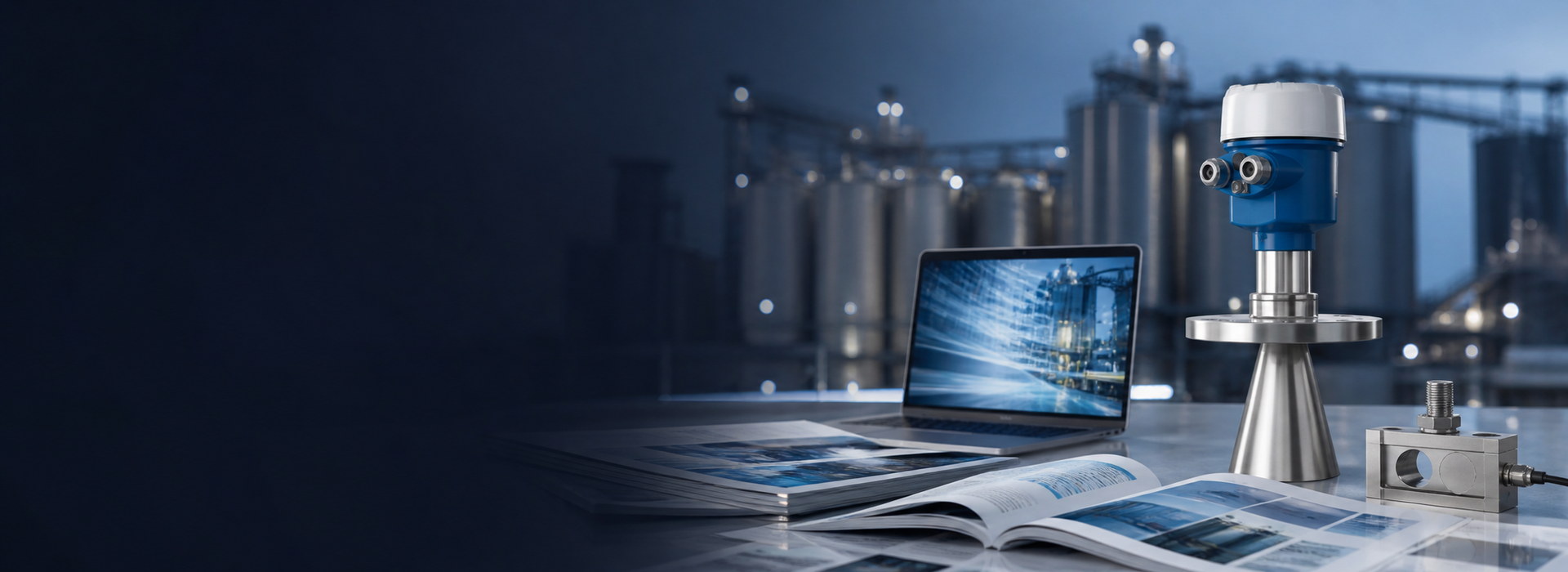
Ore and coke bin level measurement should be reviewed bin by bin. Different burden materials and routes change the pile seen by a radar, while hot fills, liner movement and falling lumps change the physical installation. Copying an accepted ore-bin setup to a coke bin without checking those differences can produce a plausible display with the wrong operational meaning.
Identify the Burden Needed at the Outlet
State whether the signal regulates upstream supply, maintains burden over a feeder, stops a conveyor at high level or estimates stock. A point near a filling peak may be useful for one decision and misleading for another. Show the active outlets and the surface likely to develop when one feeder runs while another is stopped.
Keep the material code with the reading and any calculated stock. Density is part of a mass estimate, not a radar distance calibration. Do not use one tonne-per-level relationship for ore and coke, or assume a stock estimate proves that the outlet is delivering material.
Ore and Coke Bin Level Measurement Under Plant Conditions
| Factor | Site check | Effect |
|---|---|---|
| Route | Chute, deflector and active conveyor position. | The material peak and impact zone can move. |
| Heat | Burden, gas and housing exposure during the hottest accepted duty. | The process rating and electronics limit need separate review. |
| Liners | New or displaced internal steelwork relative to the antenna. | The echo path can change after mechanical maintenance. |
| Extraction | Running feeders, gate position and actual delivery evidence. | A local surface alone may not identify starvation or hang-up. |
Select Hot-Solids Construction Only Where the Duty Requires It
For hot material within its documented limits, the METRAVON MV-RD21G provides a specified -40 to 200 deg C process interval with a 76 mm PTFE lens. Check the assembly against actual hot-fill and gas conditions, not the average daily temperature. Its process pressure limit is also specific to this solids model.
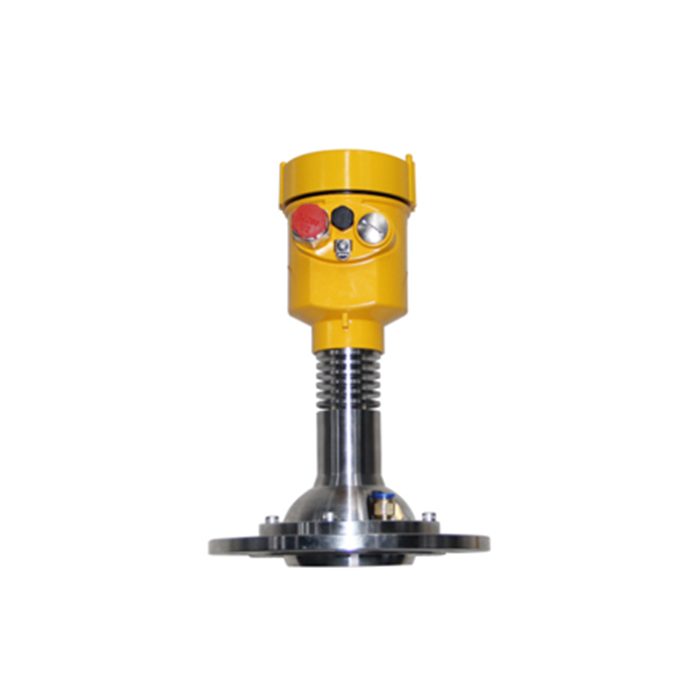
For a different thermal duty, assess the offered MV-RD21 configuration rather than assuming a high-temperature version is always required. The quotation should identify the range, process connection, output and any required area documentation for each bin.
Place the assembly outside lump impact and rebound. Check the support against vibration and thermal movement, and route the cable away from moving or hot equipment. The 3-degree reference beam still needs a clear path down to the lowest useful burden; nearby steel is not excluded merely because it lies outside a drawn cone.
Prove the Conveyor and Feeder Responses
At the high end, establish how much material arrives after the detection and stop sequence. Account for filtering, conveyor run-down and chute contents. Test the approved cause-and-effect without deliberately approaching an unsafe fill condition.
At the low end, compare the measured point with downstream delivery. If the surface drops rapidly when one feeder starts, check the developing funnel before slowing the radar response. If the surface stays high but delivery stops, investigate the outlet and relevant process evidence. These are different situations and should not share a single automatic correction.
Steelworks Maintenance Questions
Q1. Must the echo mapping be repeated after liner work?
First compare the as-built geometry and saved echoes with the earlier configuration. Changed steelwork may require a reviewed map, but do not overwrite the old record before identifying the new targets. Verify that the genuine high-level surface remains measurable.
Q2. Does non-contact measurement eliminate wear inspections?
No. The lens, flange opening, bracket and cable can still receive abrasive dust or impact. Inspect them under the plant's access and isolation procedures, and record damage and movement before replacing or cleaning parts.
Q3. Which records help diagnose a recurring level jump?
Record material identity, conveyor route, feeder states, raw distance and echo information at the event. Include recent liner or mounting work. Those details distinguish a real pile change from a new fixed reflection or installation movement.
Summary
Choose a viewing point and model configuration for each bin's burden, temperature and control duty. Send the ore or coke bin layout and operating sequence for assessment. Retain the mechanical baseline so later maintenance does not silently change the meaning of the level signal.
