


 Chinese
 Spanish
 Russian
 Portuguese
 French
 German
 Indonesian
 Thai
 Vietnamese
 Arabic
 Italian
 Turkish
 Polish
 Japanese


A spare radar can be unused and still be unready for installation. Its configuration may belong to another tank, its process seal may be missing, or its storage history may be unknown. Review radar level spares before the shutdown so these findings do not become decisions made beside an open vessel.
Start with the spare record, not the display
Match the nameplate and order documents to the intended replacement. Check the process connection, wetted materials, supply and output variant. A powered display establishes only that some electronics are operating; it does not establish a suitable seal, range or interface for the receiving system.
For a returned instrument, distinguish an unused spare from a removed unit awaiting diagnosis. Keep the reason for removal with its record. An unexplained fault should not disappear because the instrument has been relabelled as available stock.
Radar level spares need a storage inspection
| Item | Check before releasing the spare |
|---|---|
| History | Receipt date, previous service, repair status and known storage exposure. |
| Protection | Packaging, process-opening protection and cable-entry closures. |
| Condition | Visible corrosion, moisture, impact damage or contamination at accessible surfaces. |
| Completeness | Specified seals, mounting components and configuration records needed for the replacement. |
Use the storage limits and preservation instructions for the exact assembly. Do not substitute a catalogue operating-temperature range for an undocumented storage specification. If exposure or seal life cannot be established, request an inspection decision rather than declaring the unit ready from its external appearance.
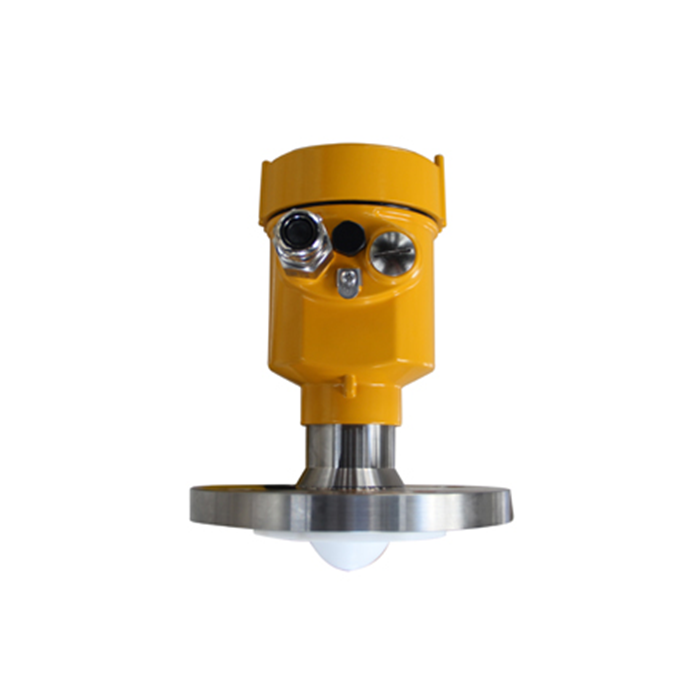
Confirm the configuration before copying settings
The METRAVON MV-RD12 is offered with different connections and electrical arrangements. A matching family name therefore does not settle replacement compatibility. Record the delivered configuration and compare it with the installed unit before planning the changeover.
Keep the old tank's reference dimensions and signal mapping, but review whether they apply to the spare. Geometry-dependent echo settings must not be copied from a different vessel without checking the new installation. Retain an identifiable copy of the settings actually used, including the instrument serial number and date.
What a pre-installation check can establish
A controlled bench check can confirm accessible functions under its test conditions, such as power-up and a specified output. It does not reproduce the vessel, nozzle or process surface. Follow the applicable service instructions; do not improvise pressure tests, enclosure openings or electrical tests that the assembly documentation does not permit.
Q1. Should a spare with an unknown storage history be discarded?
Not automatically. Isolate it from ready stock and obtain an assessment based on its condition and intended duty. The appropriate outcome may be inspection, approved servicing or replacement; the catalogue alone cannot decide it.
Q2. Can the old seal be reused to save shutdown time?
Use the approved assembly procedure and seal specification. Reuse is not justified simply because the dimensions appear correct or the earlier connection did not leak.
Summary
Release a spare against a named installation, not just a stock code. Send its identification, storage history and replacement duty to resolve missing configuration or service information before the shutdown.
