Chinese
 Spanish
 Russian
 Portuguese
 French
 German
 Indonesian
 Thai
Thai Vietnamese
 Arabic
 Italian
 Turkish
 Polish
 Japanese
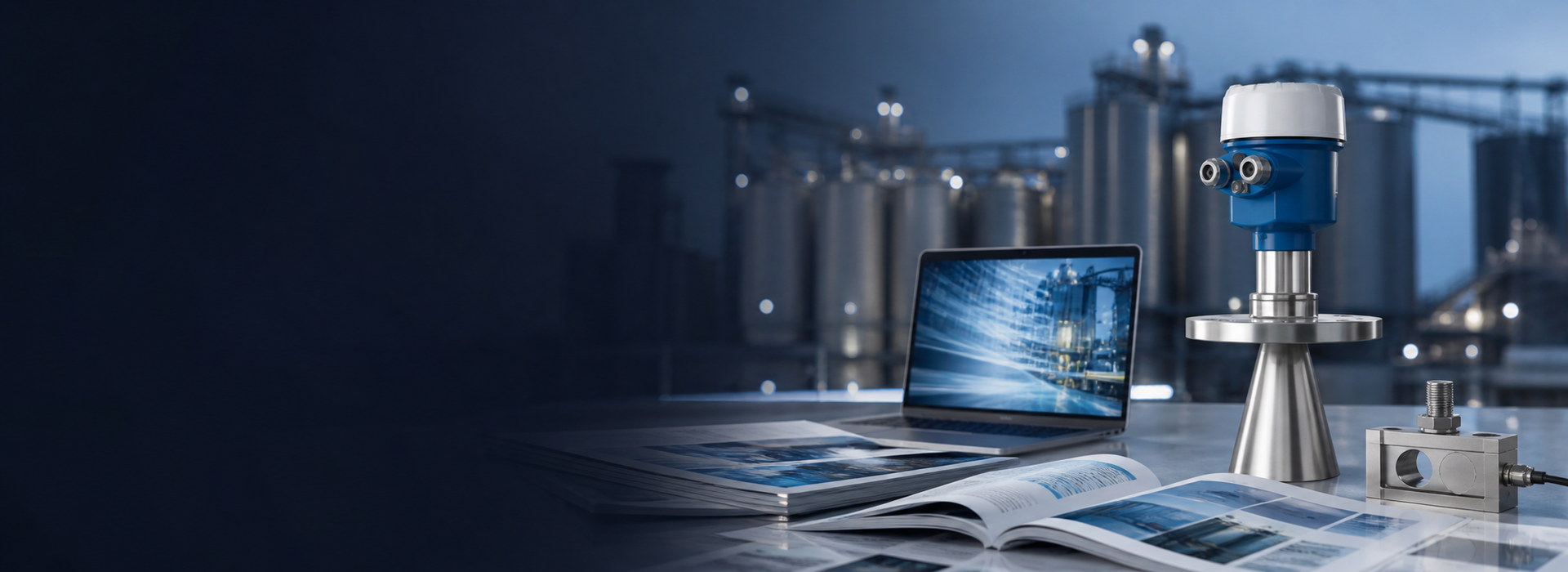
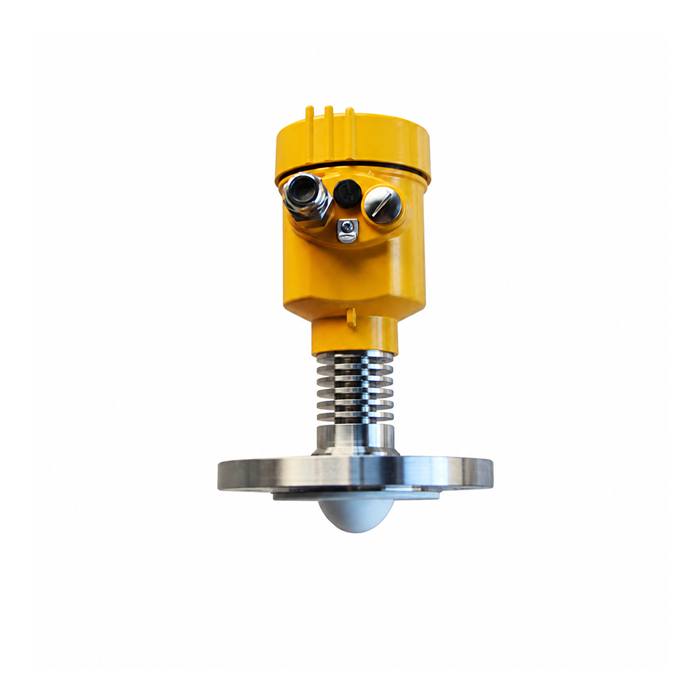
1. What Is an Explosion-Proof Radar Level Transmitter?
An explosion-proof radar level transmitter does not use a fundamentally different measurement principle.
It is still a radar level measurement instrument that uses electromagnetic waves to measure the distance to the surface of the measured medium.
The difference is that:
The electrical and mechanical design of the instrument meets specific safety requirements for hazardous explosive environments and carries the explosion-protection certification or Ex marking required by the project.
Hazardous areas may contain:
Flammable gases;
Flammable vapors;
Flammable mists;
Combustible dust.
Under the European ATEX framework, a potentially explosive atmosphere may occur when air mixes with flammable gases, vapors, mists, or dust under certain conditions and forms a mixture that can be ignited.
Therefore, the core purpose of explosion protection is not to make the radar “measure more accurately,” but rather:
To allow the instrument to be used safely within the specified hazardous area.
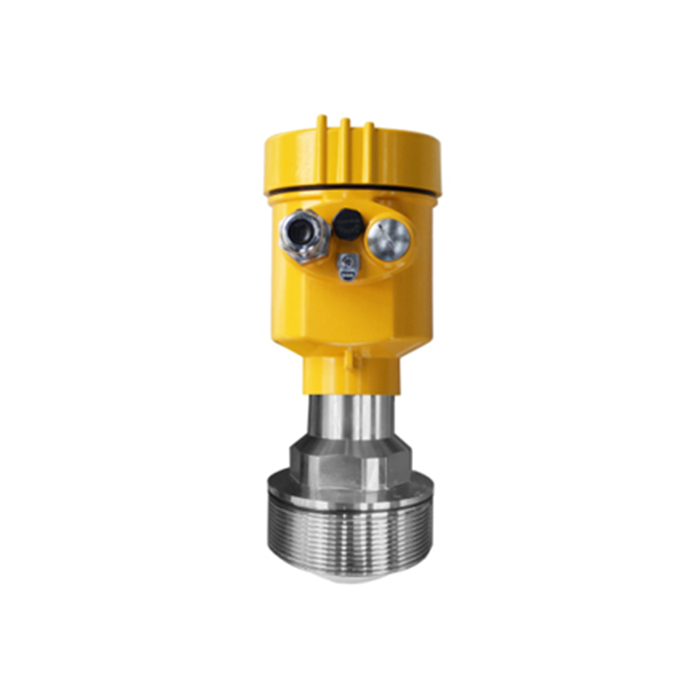
2. Which Industries Commonly Require Explosion-Proof Radar?
Common applications include:
Petroleum;
Natural gas;
Refining;
Chemical processing;
Solvent storage;
Petroleum product storage tanks;
Alcohol and other flammable liquids;
Coal dust;
Grain;
Cement and certain combustible powders;
Chemical powders;
Pharmaceutical raw materials.
However, whether explosion protection is required cannot be determined solely from the industry name.
Whether an installation is located in a hazardous area, and the specific hazardous-area classification, should be determined by the project design and hazardous-area classification documentation.
3. Why Is Radar Technology Suitable for Level Measurement in Hazardous Storage Tanks?
Radar is a non-contact continuous level measurement technology.
The antenna is normally installed at the top of the storage tank, and the measurement process does not require floats or mechanical transmission components to move together with the liquid level.
This gives radar broad application potential in:
Corrosive media;
Volatile media;
High-temperature applications;
High-pressure storage tanks;
Dusty silos.
Industrial radar products are also available for extreme temperature and pressure conditions and for hazardous-area certification requirements. For example, some 26 GHz industrial radar products are available with ATEX, IECEx, and other certifications, as well as high-temperature and high-pressure versions.
However, one point must be emphasized:
A standard radar transmitter cannot automatically be considered explosion-proof simply because it uses non-contact measurement.
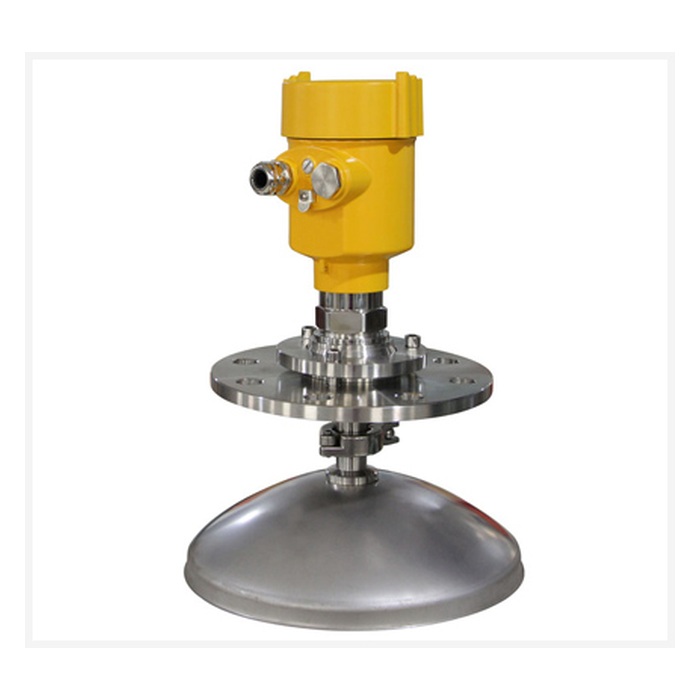
4. What Is the Difference Between ATEX and IECEx?
ATEX
ATEX primarily concerns equipment intended for use in potentially explosive atmospheres within the European Union.
The current relevant equipment regulatory framework is Directive 2014/34/EU, which governs equipment and protective systems placed on the EU market for use in potentially explosive atmospheres.
Therefore, ATEX requirements are commonly checked when supplying equipment for hazardous-area projects in the European Union.
IECEx
IECEx is an international certification system established by the IEC for equipment and related services used in explosive atmospheres.
The IECEx Certified Equipment Scheme uses independent third-party testing, certification, and quality-system assessment to certify equipment intended for use in explosive atmospheres.
Different countries and individual projects may have different requirements regarding certificate acceptance. Therefore, procurement should always follow the final project specification.
5. Is an “Ex” Marking Alone Enough for an Explosion-Proof Radar?
No.
Explosion-proof selection requires checking the complete Ex marking.
Information that normally needs to be reviewed includes:
Whether the hazardous environment involves gas or dust;
Zone classification;
Equipment Protection Level;
Type of explosion protection;
Gas group;
Temperature class;
Ambient temperature range;
Certificate number;
Installation conditions.
For example, a radar transmitter certified for a specific gas hazardous area is not automatically suitable for every combustible-dust hazardous area.
Therefore, procurement documents should not simply state:
“Explosion-proof Required.”
Whenever possible, the specific explosion-protection requirements should be provided.
6. Why Must Dust Silos Also Be Evaluated for Explosion Protection?
Many users assume that explosion hazards are limited to petroleum gases or solvents.
In reality, combustible dust mixed with air at an appropriate concentration can also form an explosive atmosphere.
The European ATEX framework also explicitly covers explosive atmospheres formed by combustible dust.
Therefore, projects involving:
Grain;
Flour;
Powdered sugar;
Certain chemical powders;
Coal dust;
should have the hazardous-area classification determined by the project safety-design personnel. Explosion protection should not be ignored simply because the measured medium is a solid.
7. Is Explosion-Proof Radar Completely Unaffected by Temperature, Pressure and Vapor?
This statement should be used carefully.
Compared with many conventional measurement technologies, radar generally has strong adaptability to:
Density changes;
Viscosity changes;
Normal pressure variations;
Normal temperature variations.
Industrial free-space radar manufacturers also commonly highlight stable measurement under changing vapor, temperature, and pressure conditions as an important application advantage.
However, it is not accurate to state that radar is “completely unaffected under all conditions.”
For example:
Heavy condensation may cover the antenna;
Material buildup on the antenna may attenuate the signal;
Saturated steam environments may require special compensation;
Extreme temperatures beyond the instrument rating can damage the equipment;
Process pressure must remain within the rated limits of the flange and sealing system.
Some industrial radar products used in saturated-steam applications even employ dedicated dynamic vapor compensation technology, which itself demonstrates that extreme steam environments should not simply be treated as having no effect on the measurement.
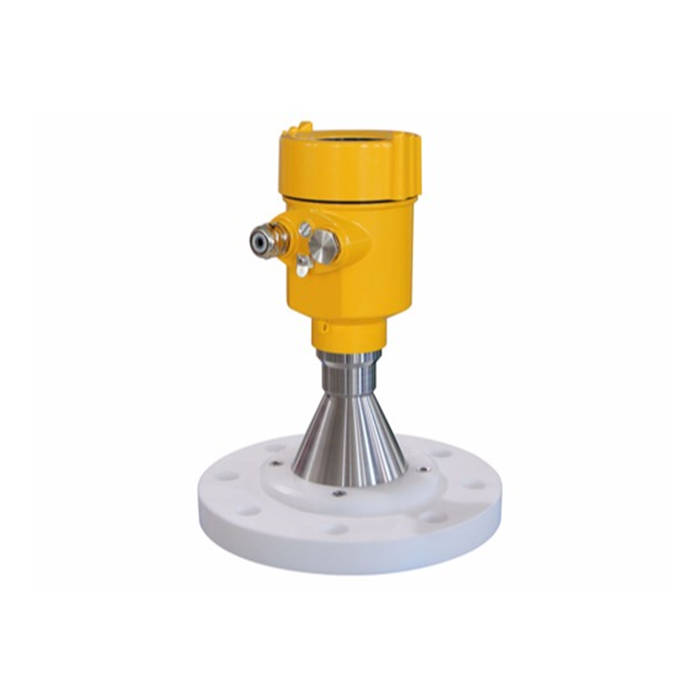
8. Does Dust in an Explosion-Proof Silo Affect Radar Measurement?
Radar generally has advantages in dusty environments compared with measurement technologies that rely on sound propagation through air.
However, two factors still need to be considered in actual projects:
First: Dust Suspended in the Air
Properly selected industrial radar instruments can generally operate effectively in dusty conditions.
Second: Long-Term Dust Accumulation on the Antenna Surface
If a thick dust layer or hardened deposits form on the antenna, signal attenuation may still occur.
Therefore, explosion-proof dust applications should also consider:
Antenna structure;
Air purging;
Cleaning and maintenance;
Installation position.
If an air-purge system is used, the purge method itself must also comply with the project's safety requirements.
9. What Additional Installation Requirements Apply to Explosion-Proof Radar?
In addition to the normal mechanical installation requirements for radar transmitters, special attention should be given to:
Explosion-proof cable glands;
Grounding;
Equipotential bonding;
Safety barriers;
Intrinsically safe loop parameters;
Enclosure protection;
Sealing of unused cable entries;
Requirements for opening explosion-proof enclosures;
Installation ambient temperature;
Special conditions of use specified by the certification.
Explosion safety depends on the complete system, not only on a sensor carrying an Ex nameplate.
IECEx also treats hazardous-area equipment installation, inspection, maintenance, and personnel competence as separate professional disciplines.
10. What Information Is Required When Purchasing an Explosion-Proof Radar Level Transmitter?
It is recommended that procurement documents include at least the following information:
Process Information
Medium name;
Liquid or solid;
Measurement range;
Temperature;
Pressure;
Whether vacuum is present;
Vapor conditions;
Dust conditions;
Foam;
Condensation;
Corrosiveness.
Tank Information
Total height;
Diameter;
Installation position;
Process connection size;
Mounting nozzle height;
Internal structures;
Agitator;
Filling position.
Electrical Information
24 V DC or other power supply;
4–20 mA;
HART;
RS-485;
Other communication buses.
Explosion-Proof Information
Country or project location;
Zone classification;
Gas or dust environment;
Explosion group;
Temperature class;
ATEX, IECEx, or local certification requirements.
Recommended Explosion-Proof Radar Selection Process
Step 1 – Confirm the Medium: Determine whether the application involves a liquid, solid, gas-generating liquid, or combustible dust.
Step 2 – Confirm the Hazardous Area: Identify the Zone classification and whether the environment is classified for gas, vapor, mist, or dust.
Step 3 – Confirm Certification: Determine whether ATEX, IECEx, or another local certification is required.
Step 4 – Confirm Process Conditions: Verify measuring range, temperature, pressure, vacuum, vapor, dust, condensation, and corrosion conditions.
Step 5 – Confirm Mechanical Installation: Check tank dimensions, mounting connection, nozzle height, internal obstacles, agitators, and filling position.
Step 6 – Confirm Electrical Interface: Specify power supply, 4–20 mA, HART, RS-485, or other required communication signals.
11. Why Can IP68 Not Be Used to Determine Whether a Radar Is Explosion-Proof?
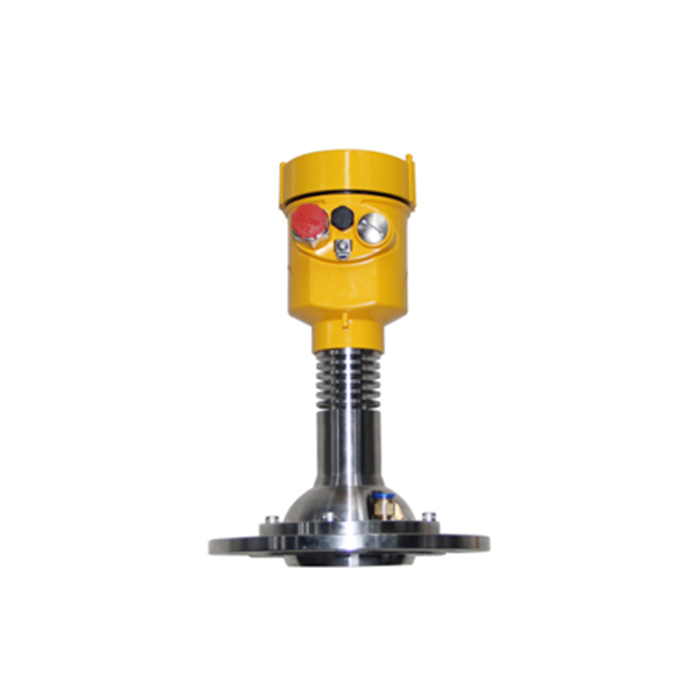
IP ratings and explosion-proof certification address two different engineering requirements.
An IP rating mainly indicates the enclosure's level of protection against solid foreign objects and water ingress.
Explosion-proof certification addresses the risk of the equipment becoming an ignition source in a potentially explosive atmosphere.
Therefore:
IP68 ≠ Explosion-Proof.
Likewise:
Explosion-Proof ≠ IP68.
Both requirements should be confirmed separately in the project technical specification.
FAQ
Q1: Does an explosion-proof radar level transmitter have the same measurement accuracy as a standard radar?
A: The explosion-protection rating itself does not determine measurement accuracy. Accuracy mainly depends on the radar technology, antenna, signal-processing algorithms, and actual operating conditions.
Q2: Must a chemical plant always use explosion-proof radar?
A: Not necessarily. The requirement should be determined according to the hazardous-area classification of the specific installation location.
Q3: Is explosion protection required in dusty environments?
A: Certain combustible-dust environments require explosion-protected equipment. The decision should be based on the dust characteristics and hazardous-area classification.
Q4: Does ATEX certification mean the product can automatically be used worldwide?
A: Not necessarily. Different countries, plant owners, and projects may require IECEx or local certification. Final acceptance should be confirmed according to the project specification.
Q5: What is IECEx?
A: IECEx is an international certification system established by the IEC for equipment and related activities in explosive atmospheres. Equipment certification is carried out by recognized certification bodies according to applicable standards.
Q6: Is an IP68 radar automatically an explosion-proof radar?
A: No. An IP protection rating cannot replace explosion-proof certification.
Q7: Can explosion-proof radar measure level in a cement silo?
A: Radar technology can be used for powdered solids such as cement. However, whether explosion protection is required, and which explosion-protection level is necessary, must be determined according to the project's combustible-dust hazardous-area requirements.
Q8: Can explosion-proof radar be used on high-temperature storage tanks?
A: High-temperature explosion-proof versions can be selected, but the instrument must simultaneously meet the process temperature, ambient temperature, explosion-proof temperature class, and sealing-system requirements.
Q9: Why is the installation country required when requesting a quotation for explosion-proof radar?
A: Different markets and projects may have different acceptance requirements for ATEX, IECEx, and local certification.
Q10: What information does METRAVON require to select an explosion-proof radar level transmitter?
A: At minimum, provide the measured medium, measurement range, temperature and pressure, tank dimensions, process connection, hazardous-area classification, gas or dust category, required output signal, and field installation photos or drawings.
Conclusion
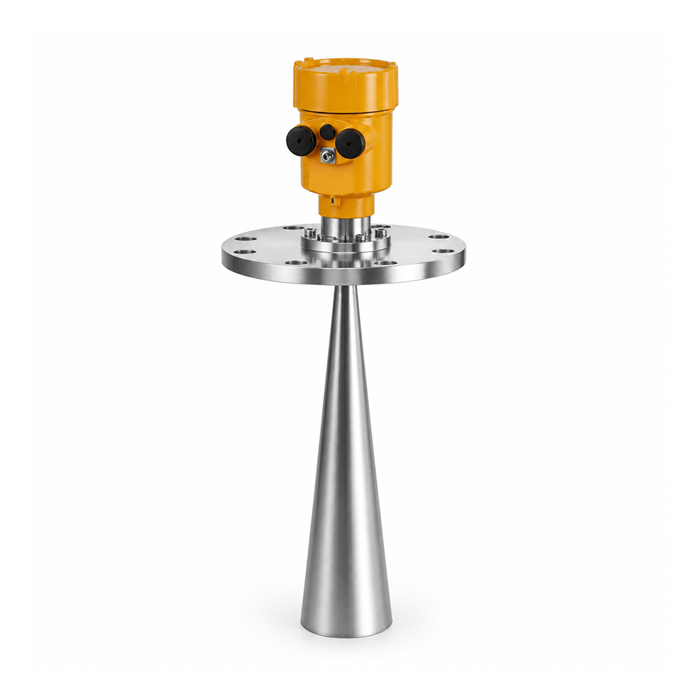
The primary value of an explosion-proof radar level transmitter is:
To meet the safety requirements of a hazardous explosive area while simultaneously providing continuous level measurement.
During procurement, users should not consider only:
The words “explosion-proof”;
Measurement distance;
Accuracy;
Price.
The following factors must also be confirmed together:
Hazardous-area classification + certification + medium + temperature and pressure + antenna + installation structure.
For petroleum, chemical, coal-dust, grain, and other hazardous-area applications, METRAVON recommends defining the required explosion-proof certification documents and complete Ex marking at the equipment-selection stage. This helps prevent situations in which the instrument meets the measurement-performance requirements but cannot comply with the final hazardous-area specification of the project.
Related resources
Radar level meters · Level measurement
Author: Arvin · Source: METRAVON Instruments