Chinese
 Spanish
 Russian
 Portuguese
 French
 German
 Indonesian
 Thai
Thai Vietnamese
 Arabic
 Italian
 Turkish
 Polish
 Japanese
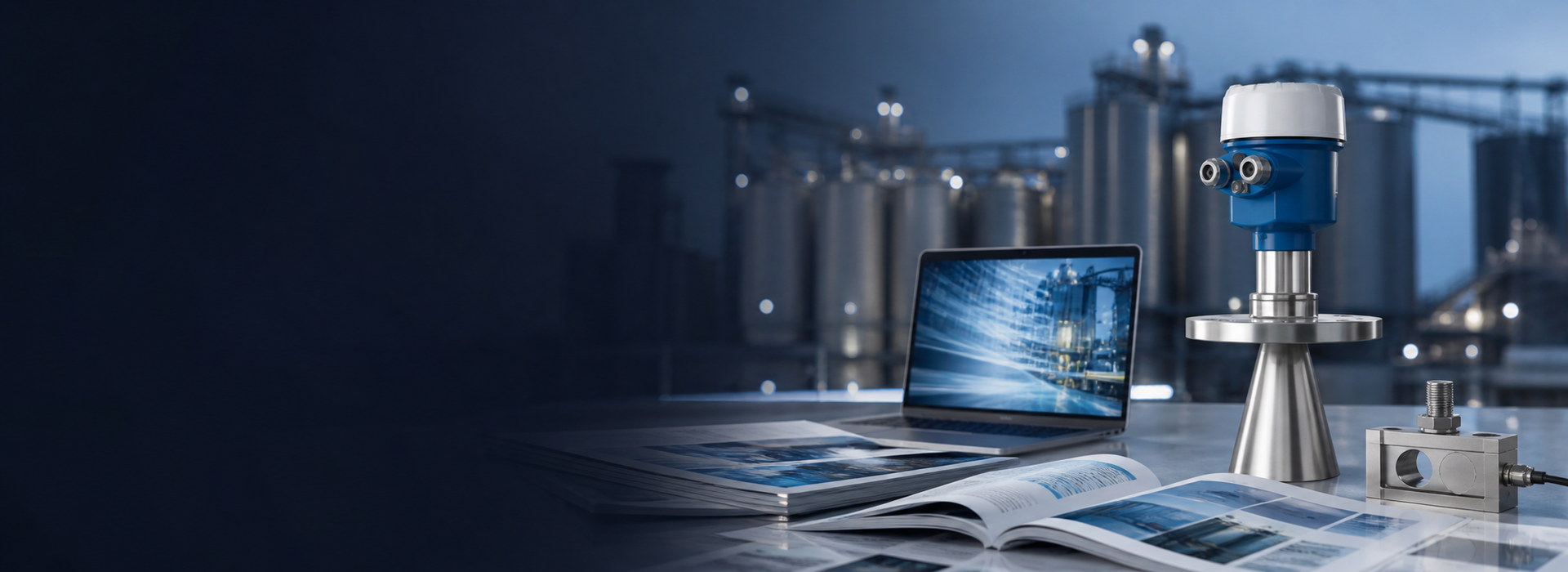
Radar sensors and ultrasonic sensors are both commonly used for non-contact distance and level measurement. Both technologies transmit a signal toward a target surface and analyze the returned reflection, but the type of wave they use is fundamentally different:radar uses electromagnetic waves, while ultrasonic sensors use mechanical sound waves.
This difference directly affects performance in applications involving vapor, temperature variation, dust, vacuum, foam, and complex tank structures. For industrial level measurement, neither technology is universally better. The correct choice depends on the actual process conditions.
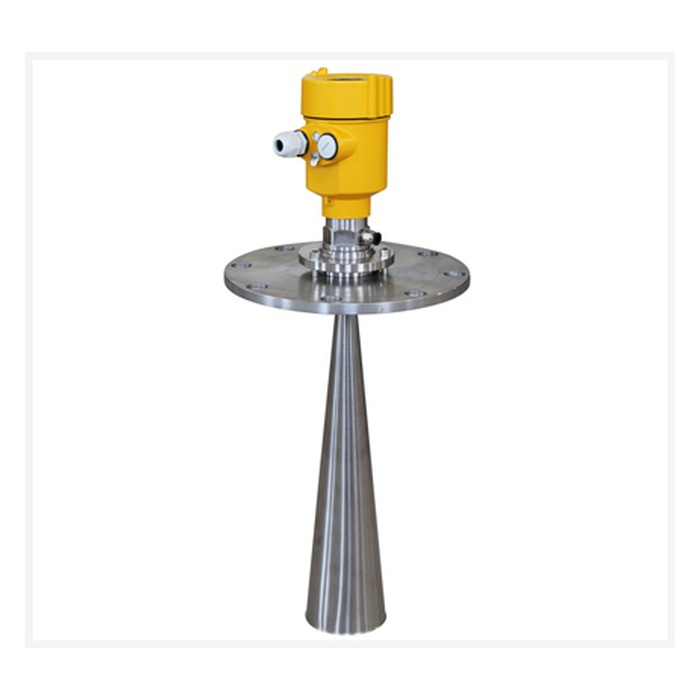
1. The Main Difference: Electromagnetic Waves vs Sound Waves
Radar Sensor
Uses electromagnetic waves for distance measurement and does not require air as a transmission medium.
Common industrial level radar frequencies include 26GHz and 80GHz.
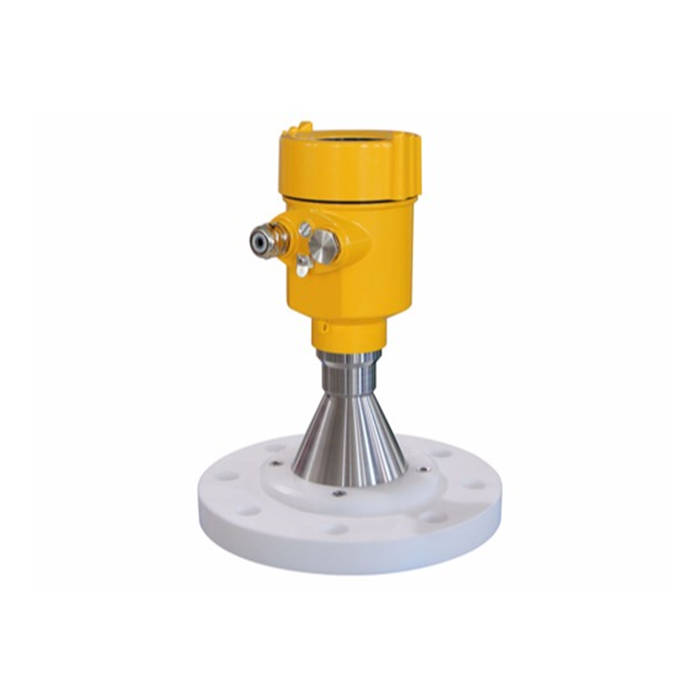
Ultrasonic Sensor
Uses mechanical sound waves, which require gas, liquid, or solid material as a propagation medium.
For level measurement, ultrasonic signals normally travel through the gas space above the liquid or material surface.
As a result, standard ultrasonic level sensors are generally unsuitable for vacuum applications, while radar does not depend on air for signal propagation. This is one of the most important practical differences between the two technologies.
2. Radar Sensor vs Ultrasonic Sensor: Quick Comparison
| Comparison | Radar Sensor | Ultrasonic Sensor |
|---|---|---|
| Signal Type | Electromagnetic waves | Mechanical sound waves |
| Needs Propagation Medium | No | Yes |
| Vacuum Applications | Suitable models available | Normally unsuitable |
| Temperature Changes | Usually limited effect on distance measurement | Sound speed changes and temperature compensation is required |
| Vapor Conditions | Generally better adaptability | Requires careful evaluation |
| Heavy Dust | Often preferred | Dust may attenuate the sound signal |
| Typical Cost | Usually higher | Usually more economical |
3. Why Does Temperature Affect Ultrasonic Measurement More?
The speed of sound in gas changes with temperature and gas composition. An ultrasonic level sensor calculates distance from the signal travel time, so changes in sound speed can create measurement errors if compensation is insufficient.
Ultrasonic
Usually requires temperature compensation. Strong temperature gradients in tall tanks may still affect accuracy.
Radar
Electromagnetic waves do not depend on the speed of sound, so normal temperature changes do not create the same type of distance error.
4. Which Technology Performs Better in Vapor?
Large amounts of vapor, volatile gas, or changing gas composition may alter sound propagation and increase attenuation in ultrasonic measurement. For this reason, chemical vessels, solvent tanks, and strong-vapor applications require careful evaluation before using ultrasonic technology.
Radar uses electromagnetic waves and is not dependent on gas sound velocity. It therefore generally offers better adaptability in complex vapor and gas-space conditions. However, severe condensation, extreme temperature, or liquid buildup on the antenna may still affect radar performance.
5. Radar or Ultrasonic for Dusty Applications?
Moderate Dust
Both technologies may be considered depending on range, particle size, and installation conditions.
Heavy Dust
Radar is generally preferred for cement, fly ash, mineral powder, and other high-dust bulk-solid applications.
Antenna or Sensor Buildup
Neither technology is completely maintenance-free. Severe buildup may affect both sensor types.
6. How Does Foam Affect Radar and Ultrasonic Sensors?
Foam cannot be classified simply as “radar works” and “ultrasonic does not.” Its effect depends on:
Foam thickness;
Foam density;
Liquid content;
Medium properties;
How rapidly the foam condition changes.
Thick, dry, or loose foam may absorb or scatter ultrasonic signals. Certain foam conditions can also weaken the radar reflection from the true liquid surface. Applications such as aeration tanks, fermentation vessels, and reactors should therefore be evaluated individually.
7. Does Radar Always Have a Longer Measuring Range?
Not necessarily. Both radar and ultrasonic level sensors are available in multiple measuring ranges.
However, radar generally offers more flexibility in long-range, heavy-dust, complex-vapor, and large-silo applications. For simple atmospheric water tanks, basins, and short-range level measurement, ultrasonic technology can often provide a cost-effective solution.
8. Installation Differences
| Site Condition | Selection Consideration |
|---|---|
| Near filling point | Both technologies should normally be kept away from strong filling streams. |
| Internal beams or pipes | Avoid directing the measurement beam toward obstacles. Narrow-beam 80GHz radar can offer an advantage. |
| Turbulent surface | Both technologies require suitable installation and proper signal filtering or damping. |
| High level close to sensor | Check the minimum measuring distance or blocking distance of the selected instrument. |
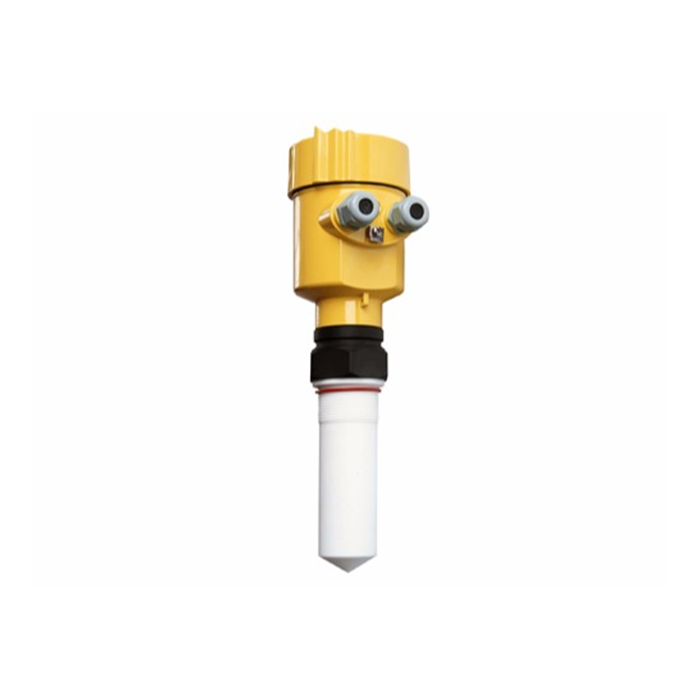
9. How to Choose Between Radar and Ultrasonic Level Sensors
Water Tank or Basin
Ultrasonic often provides a cost advantage for simple atmospheric applications; radar is also suitable.
Wastewater
Both can be used, but heavy foam or vapor requires additional evaluation.
Chemical Tank
Radar is often preferred where vapor, pressure, temperature variation, or volatile gas is present.
Vacuum Vessel
Standard ultrasonic technology is unsuitable; evaluate a radar instrument designed for the process conditions.
High-Dust Silo
Radar is usually the preferred technology.
Simple, Cost-Sensitive Application
If range, temperature, and gas-space conditions are suitable, ultrasonic is often more economical.
10. What Information Is Needed for Selection?
Medium
Liquid or solid
Medium name
Foam
Viscosity
Dust condition
Measuring Range
Maximum distance
Maximum level
Normal level
Tank height
Process Conditions
Temperature
Pressure
Vapor
Vacuum
Agitation
Installation and Output
Process connection
Internal obstructions
4–20 mA
RS485
Explosion protection
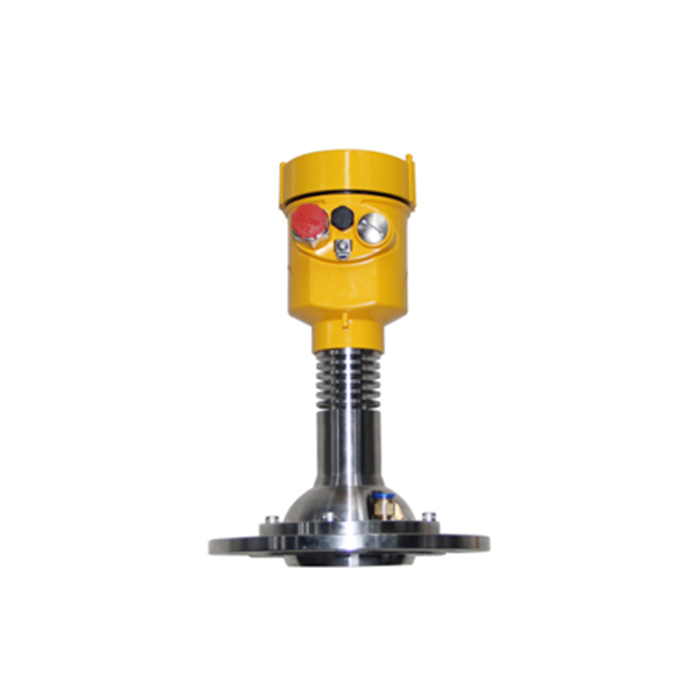
FAQ: Radar Sensor vs Ultrasonic Sensor
1. What is the main difference between radar and ultrasonic sensors?
Radar uses electromagnetic waves, while ultrasonic sensors use mechanical sound waves. Radar does not require air for propagation, while ultrasonic measurement requires a gas, liquid, or solid medium.
2. Can an ultrasonic level sensor work in a vacuum?
Standard ultrasonic level sensors are generally unsuitable for vacuum applications because sound waves require a transmission medium. Radar or another suitable technology should be evaluated instead.
3. Is radar more accurate than ultrasonic?
Some radar instruments provide higher measurement accuracy, but actual performance depends on the specific model, range, installation, and process conditions. Accuracy should not be judged from the technology name alone.
4. Which is better for a water tank?
Both technologies can work well in a simple atmospheric water tank. Ultrasonic often offers a lower-cost solution, while radar may be preferred when a smaller blocking distance, complex installation, or greater process adaptability is required.
5. Why is radar often better for vapor applications?
Radar uses electromagnetic waves and does not depend on the speed of sound in the gas space. Ultrasonic measurement can be affected by temperature, vapor, and changes in gas composition.
6. Which technology is better for a dusty silo?
For cement, mineral powder, fly ash, and other heavy-dust applications, radar is generally preferred. Measuring range, dielectric properties, material angle, and antenna buildup should still be considered.
7. What information does METRAVON need to recommend radar or ultrasonic technology?
Please provide the medium, measuring range, tank height and diameter, temperature, pressure, vapor, foam, dust, vacuum condition, internal structures, process connection, and required output signal.
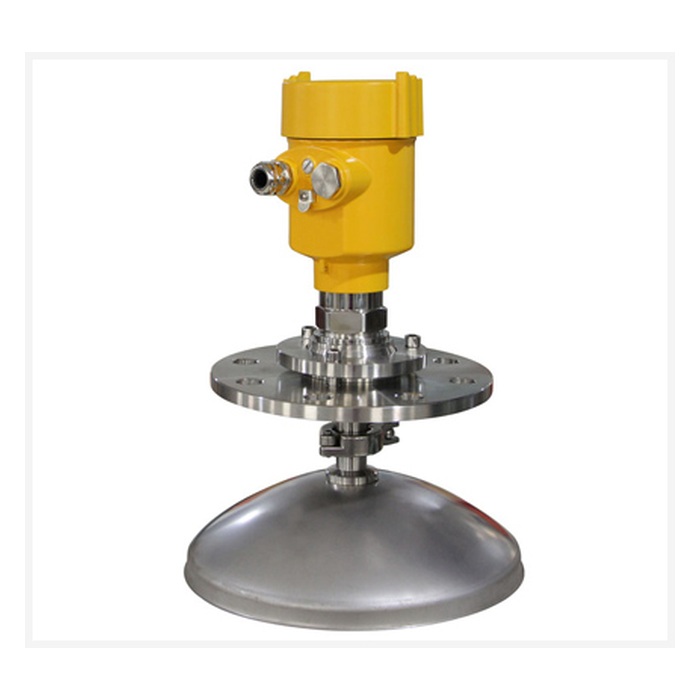
Conclusion
Radar sensors and ultrasonic sensors are both effective non-contact technologies for level and distance measurement, but they operate on fundamentally different physical principles.Radar is generally better suited to demanding vapor, vacuum, heavy-dust, long-range, and complex process conditions, while ultrasonic measurement remains a practical and economical choice for many water tanks, basins, wastewater applications, and other simple atmospheric installations.
METRAVON recommends selecting the measurement technology based on the medium, range, temperature, pressure, gas-space conditions, dust, foam, tank structure, and signal requirements rather than choosing only by price or operating frequency.