


 Chinese
 Spanish
 Russian
 Portuguese
 French
 German
 Indonesian
 Thai
 Vietnamese
 Arabic
 Italian
 Turkish
 Polish
 Japanese

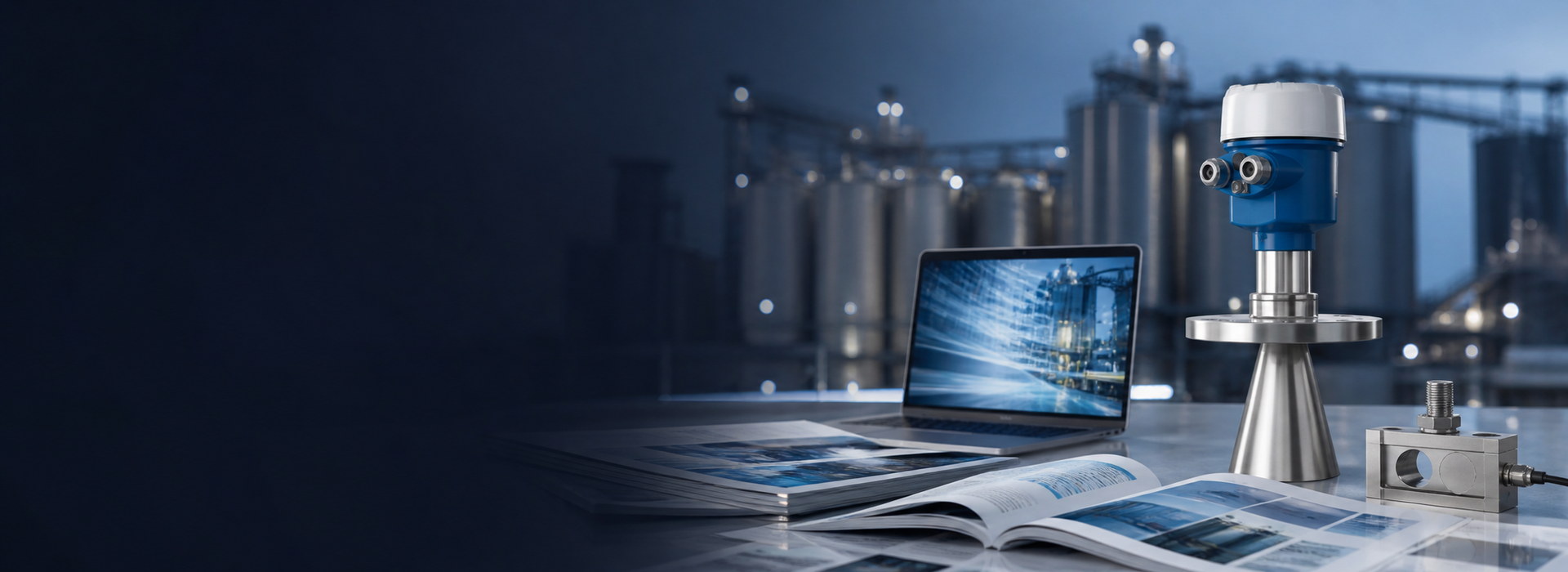
Radar level meter dead zones matter most near the limits where a process needs a dependable alarm. A quoted maximum range does not establish how close the material can approach the antenna, or whether an almost-empty vessel still produces a usable surface echo.
Radar Level Meter Dead Zones Are Not Alarm Setpoints
The minimum measuring distance, an adjustable blocking region and the highest permitted operating level have different purposes. The first belongs to the instrument and antenna specification; a configured block excludes a region from evaluation; an operating limit belongs to the process. Increasing a software block does not make the excluded space measurable.
| Boundary | Evidence | Effect |
|---|---|---|
| Near end | Exact antenna version, nozzle geometry and documented minimum distance. | Keep the required surface measurement outside an unverified near region. |
| Operating high | Waves, foam, filling overrun and the time needed to stop inflow. | Reserve process margin instead of using the antenna limit as the fill target. |
| Operating low | Bottom shape, residual product and the weakest expected surface echo. | Validate low-level duty separately from an empty-distance parameter. |
Apply the Limit to the Installed Reference Plane
The MV-RD12 liquid radar lists a 0.1-30 m measuring range. That catalogue entry is not permission to fill every nozzle installation to 0.1 m from an assumed housing position. Establish the specified measuring reference, confirm the supplied version and evaluate interference from the installed nozzle.
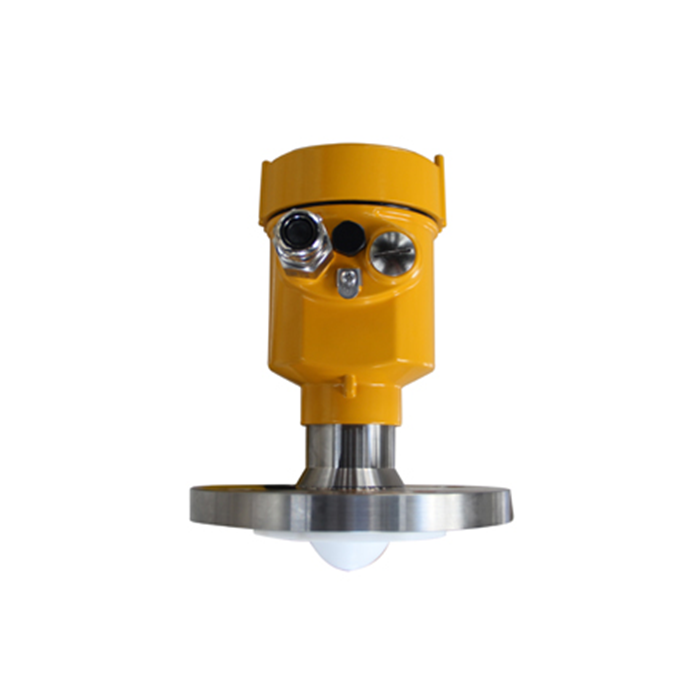
Raising a connection can create additional headroom, but a longer restrictive nozzle may introduce a different problem. Review both effects before fabrication. If the required upper measurement cannot be demonstrated, change the installation or measurement arrangement; do not hide the limitation in a percentage scale.
The Bottom Needs Its Own Test
A weakly reflecting liquid can allow a strong bottom return to compete with the surface. A conical outlet or residual heel may also make the physical bottom a poor operating zero. Define whether the low reading is used for inventory, pump protection or batch completion. Those duties may need different references and independent protection.
Compare the measured distance with a safely obtained reference during controlled emptying. Save the transition where the surface becomes unreliable, including the reported status. An output simulator can test the PLC alarm but cannot establish whether the antenna sees the real low surface.
Questions About the Upper and Lower Limits
Q1. Does a longer-range model improve close-range measurement?
Not necessarily. Maximum reach and near-field performance are separate selection properties. Request both for the actual antenna and verify the available headroom before changing models.
Q2. Can the radar provide an independent overfill safeguard?
Do not infer independence from a second alarm configured on the same instrument. Required protective architecture, documented suitability and proof testing must follow the project's risk assessment.
Q3. What should be recorded if the vessel cannot reach the test level?
Identify the untested region and the evidence still needed. Record the receiver simulation separately from a real-surface measurement test, with an agreed restriction or follow-up test before that region is relied upon.
Summary
Approve a usable measurement interval, not just a catalogue range. Request a high- and low-level clearance assessment with the nozzle section, datum and required stopping levels.
