


 Chinese
 Spanish
 Russian
 Portuguese
 French
 German
 Indonesian
 Thai
 Vietnamese
 Arabic
 Italian
 Turkish
 Polish
 Japanese

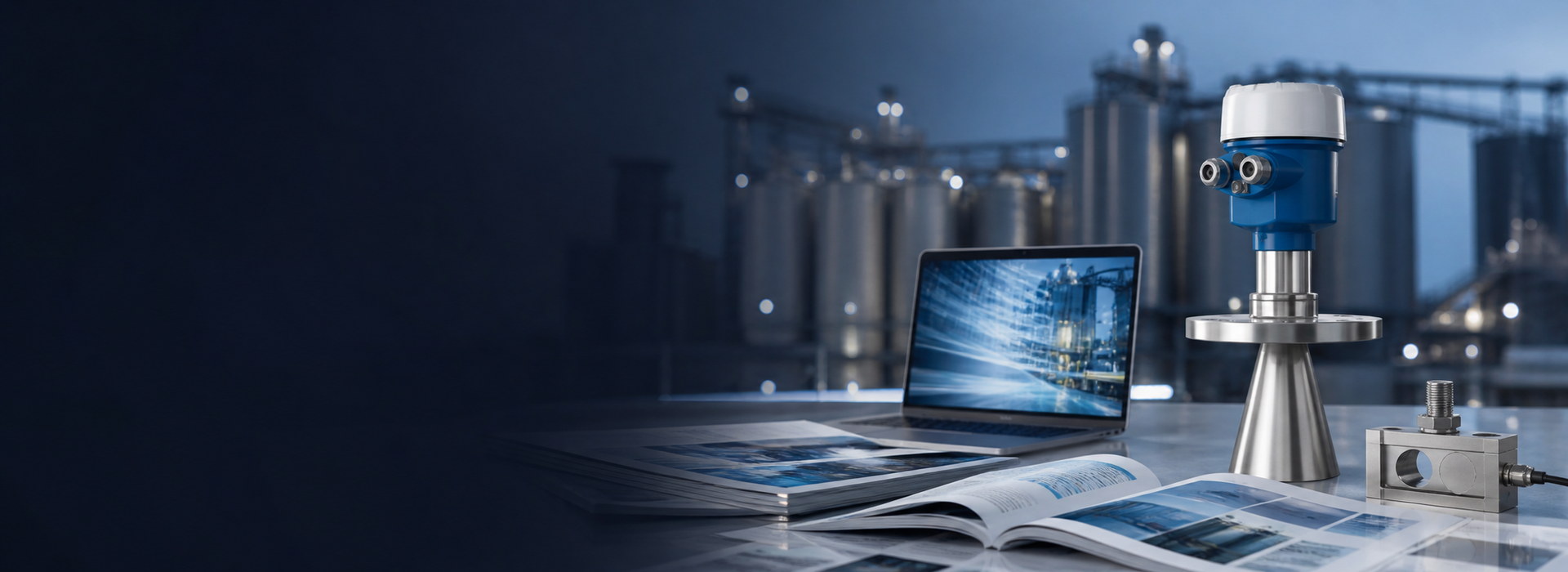
After radar transmitter water ingress, a display that starts again is not proof of a reliable repair. Water may leave conductive contamination, corrosion or damaged connections even after visible moisture disappears. First make the affected measurement and equipment safe through the site's isolation procedure, then establish where the liquid entered and what it reached.
Distinguish external wetting from internal contamination
A wet process-facing antenna and water inside the electronics are different findings. Condensation or deposits on the antenna can affect the echo without flooding the enclosure. Moisture at terminals can affect the signal and may also have migrated farther than is immediately visible.
| Observed location | Question for the service assessment |
|---|---|
| Antenna or nozzle | Is this process-side wetting, a deposit or evidence of liquid reaching an unintended part of the assembly? |
| Cable entry | Does the cable, gland or conduit provide a path into the enclosure? |
| Terminal area | Are connections contaminated, and has moisture travelled towards internal electronics? |
| Electronics | What repair or replacement route is permitted for the contamination and equipment type? |
Obtain photographs only through safe, authorised access. Do not open a live hazardous-area instrument or loosen a process connection to inspect it. If the measurement influences control or protection, operations must know that it is unavailable or suspect rather than rely on a normal-looking retained value.
Record the exposure before cleaning removes the evidence
Identify whether the liquid was rainwater, washdown, seawater or process chemical, and how long exposure may have lasted. Record whether the instrument was energised and whether repeated faults occurred. A clean-looking terminal does not rule out contamination beneath a connector or on a board.
Retain the serial number, housing version, cable-entry arrangement and visible damage. Include what happened just before the event, such as maintenance, cover removal or unusually severe washdown. Avoid attributing the cause to a single loose gland until the whole entry path has been reviewed.
Use the correct boundary for radar transmitter water ingress decisions
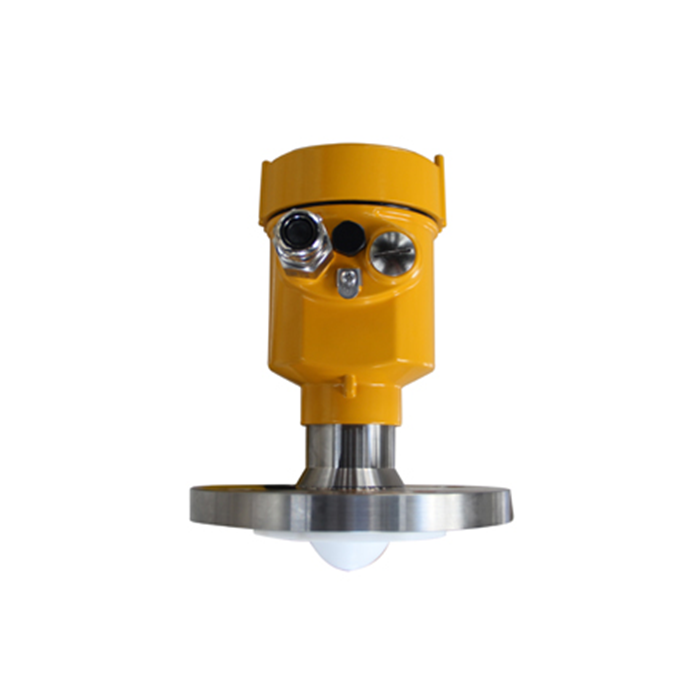
Identify which housing was supplied with the METRAVON MV-RD12: the product data list IP67 for metal and IP65 for ABS options. Those ratings do not describe every possible field exposure, and they depend on the supplied construction and installation. They are not permission to operate an opened, damaged or incorrectly sealed instrument.
A drip loop can reduce water travelling along the outside of a cable, but it does not repair a damaged gland or stop every conduit-related path. Replacement seals and entry parts must match the instrument's requirements. Do not add sealant, heat, solvents or electrical insulation tests unless the product's service procedure permits them.
Verify recovery at the instrument and the control system
After the authorised service assessment and any corrective work, verify power, configuration and the required output path. Compare local measurement with a suitable known condition and check the receiving PLC or RTU value. Where diagnostics are available, investigate persistent fault indications rather than clearing them merely to finish the job.
Confirm that test values and temporary control arrangements have been removed under the site's procedure. Retain the repair disposition and any follow-up inspection requirement. If contamination or protection integrity cannot be assessed satisfactorily, a successful short bench run is not a reason to return the unit to its former duty.
Q1. Can hot air be used to dry the electronics quickly?
Do not improvise a heating procedure. Temperature can damage displays, seals or components, and drying does not remove all contamination. Use the approved service instructions.
Q2. Does a higher IP replacement prevent recurrence?
Not if the same cable-entry error, damaged seal or incompatible washdown remains. Match the exposure and construction, then correct the actual ingress path.
Q3. What information makes a service request useful?
Provide the exact configuration, liquid identity, duration, power state, symptoms and safely obtained photos. State whether the unit has already been opened, cleaned or energised after the event.
Summary
Assess contamination and protection before trusting recovered readings. Request an MV-RD12 service review with the exposure history, then verify the repaired or replacement measurement before returning it to operation.
