Chinese
 Spanish
 Russian
 Portuguese
 French
 German
 Indonesian
 Thai
Thai Vietnamese
 Arabic
 Italian
 Turkish
 Polish
 Japanese
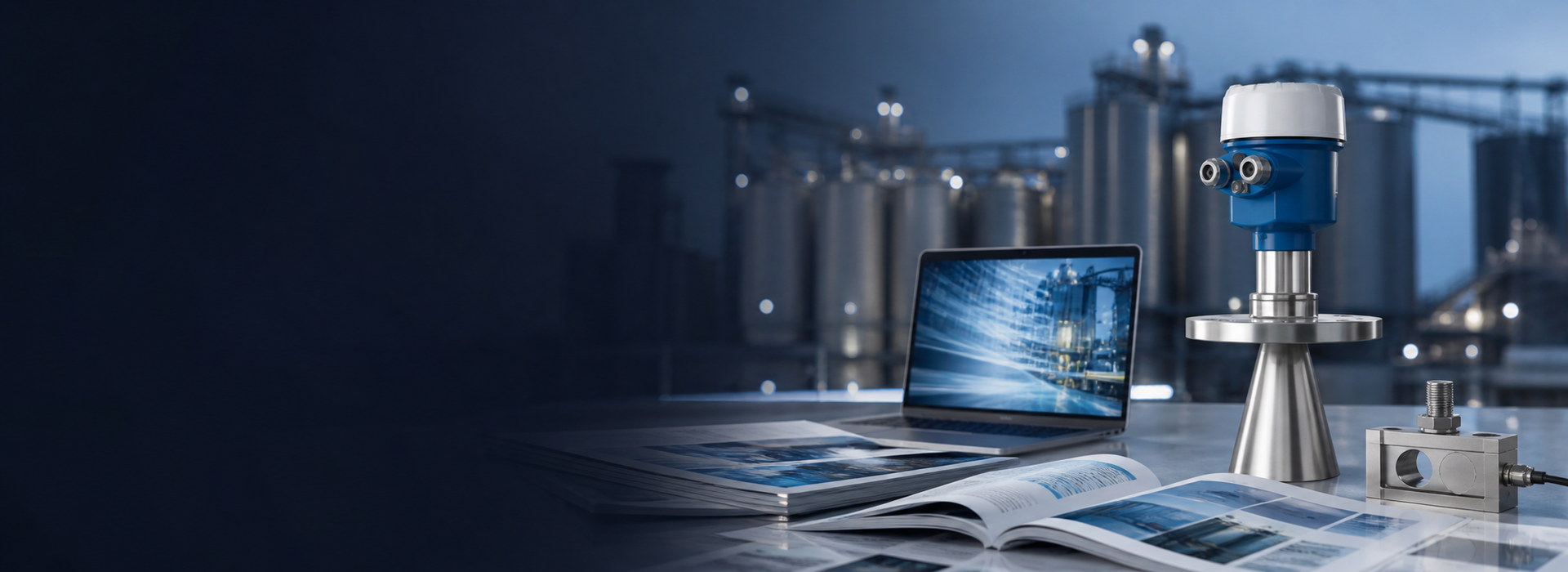
An IP rating describes enclosure testing under defined conditions; it does not guarantee that an outdoor radar installation will survive poor cable entries, standing water, direct sun, lightning, flooding or an unstable mount. Protection must cover the complete installed assembly and the site's actual weather and maintenance conditions.
Inspect every water path
Check cable glands, unused entries, cover seals, conduit, display windows and mounting interfaces. Route cables with a drip loop and orient entries according to the product instructions. A certified enclosure can still fill with water through an unsuitable gland or upward-facing conduit.
Prevent water from pooling around the antenna or entering a recessed nozzle. Inspect after rain and washdown before drying the equipment; the as-found location of moisture helps distinguish external ingress from internal condensation.
Control condensation and temperature
Daily temperature cycles can draw moist air into a poorly sealed enclosure or condense water on cold surfaces. Use approved breathers or drainage only where the protection design permits. Do not drill the enclosure or add an unapproved vent.
Direct solar radiation can raise electronics temperature above ambient. A ventilated sunshade may help, but an improvised closed box can trap heat. Confirm the permitted ambient range and keep thermal extensions exposed as specified.
Review lightning, surge and grounding
Outdoor vessels, silos and channels expose long cables and elevated instruments to induced surges. Apply the site's lightning and surge-protection design at power, signal and communication interfaces. Bond and ground according to the approved scheme rather than adding isolated local earths.
Inspect surge devices after known events and record their status. Protection at only one end may be insufficient when field and control-building grounds differ or communication cables leave the equipotential zone.
Make the mount mechanically durable
Check wind, vibration, corrosion, ice and accidental impact. Brackets must remain aligned through the full beam path; handrails and thin covers often move. Protect cables from sharp edges and UV exposure while retaining service loops and access.
A guard or sunshade must stay outside the radar beam and allow the cover to open. Stainless hardware does not eliminate galvanic or coating concerns when dissimilar metals and salt exposure are present.
Commission and inspect
Record enclosure condition, gland torque or installation method, cable route, grounding, surge devices, bracket alignment and antenna view. Save echo curves and verify local value, output, PLC scaling and alarms after final weather protection is installed.
Set an early post-rain and seasonal inspection. Extend the interval only when seals, cables, mount and internal dryness remain stable. Photograph changes so later faults can be compared with a known baseline.
Worked failure review
A radar begins resetting after heavy rain although its nameplate carries a high IP rating. Inspection finds water entering through an incorrectly sized cable gland and running along the cable into the enclosure. The gland and cable are replaced with approved components, a drip loop is added and insulation resistance is checked.
After repair, the team verifies the loop, communication and echo curve, then reinspects after another storm. The correction addresses the installed water path rather than assuming the enclosure rating was false.
Engineering checklist
- Verify glands, seals, conduit and drip loops.
- Check condensation, solar load and ambient limits.
- Apply approved lightning, surge and grounding design.
- Confirm bracket stiffness, corrosion and beam clearance.
- Preserve service access and cable protection.
- Inspect after rain and seasonal extremes.
Frequently asked questions
Does a high IP rating make any cable gland acceptable?
No. Entries and installation must preserve the tested protection and suit cable size and environment.
Should the radar be placed inside a sealed weather box?
Not automatically. A box can trap heat and condensation; use an approved ventilated arrangement.
Can surge protection replace grounding?
No. Surge devices, bonding, grounding and cable routing work as one site design.
Need a project-specific review? Send the site conditions, drawings, photographs and acceptance criteria through our contact page.