


 Chinese
 Spanish
 Russian
 Portuguese
 French
 German
 Indonesian
 Thai
 Vietnamese
 Arabic
 Italian
 Turkish
 Polish
 Japanese


Radar hazardous-area markings are only useful when they can be traced to documentation for the exact equipment offered. A photograph showing an Ex symbol, or a quotation saying explosion-proof, does not establish suitability for a particular gas or dust location.
Start With an Approved Site Requirement
Obtain the classification and installation requirements from the project's competent hazardous-area specialist. Include the instrument location, process-facing side and cable route as applicable. Do not derive the classification from a general description such as chemical tank or grain silo.
This article is a procurement-document review, not a substitute for a hazardous-area design or installation inspection. The governing certification scheme and local requirements must be identified before accepting equipment.
Radar Hazardous-Area Markings: Match the Documents
| Evidence | Match against | Reason to hold approval |
|---|---|---|
| Order code | The model and options covered by the certificate and schedule. | The certificate names a related family but does not establish coverage of the offered version. |
| Marking | The required protection concept, gas or dust scope and temperature limits. | A promotional label replaces the complete marking. |
| Conditions | Installation instructions and any special conditions of use. | Limits on ambient, entries, materials or mounting remain unresolved. |
| Assembly | The actual glands, plugs, supply arrangement and associated equipment. | The installed parts differ from the approved documentation. |
Where IECEx certification is claimed, use the certificate number to check the controlled record in the official online certificate system. Review its scope and relevant issue, not merely whether a number can be found. Certification under one scheme should not be treated as automatic acceptance under every jurisdiction.
Keep Model Suitability Separate From Certification
The METRAVON MV-RD21 is a bulk-solids level instrument. Its published antenna, range and enclosure information do not by themselves establish the dust approval required by a particular project. Request documentation for the proposed assembly before assigning it that duty.
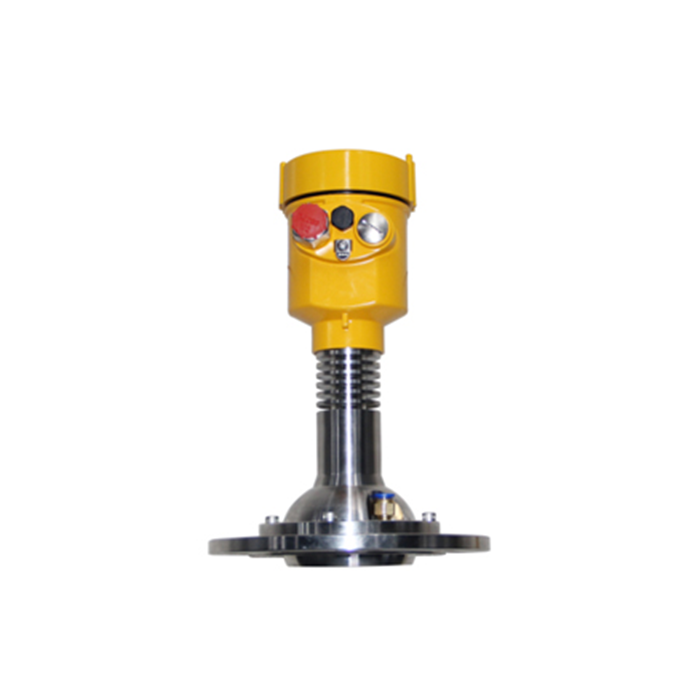
Pressure containment, chemical resistance and level performance still need separate approval. An accepted protection concept does not prove that a seal suits the process or that the radar will track the required surface during filling.
Preserve the Reviewed Arrangement Through Installation
Have the responsible specialist assess the complete electrical arrangement. For an intrinsically safe circuit, that includes the associated apparatus and cable parameters under the applicable design method. Do not select a barrier or alter cable parameters from a generic article.
Receiving inspection should compare the delivered code and nameplate with the accepted documents. Record any discrepancy before installation. Later changes to entries, electronics or process assemblies require review; similar dimensions do not make substitutes acceptable.
Certificate Questions
Q1. Does a gas approval also cover a dusty silo?
Do not assume so. Establish the required dust scope and verify the offered documentation against it. An unresolved scope mismatch is a reason to stop approval.
Q2. Can an IP rating replace the hazardous-area assessment?
No. Ingress protection and explosion protection address different requirements. The correct enclosure marking is only part of the installed assessment.
Summary
Approve traceable documentation for the delivered configuration, with outstanding conditions resolved by the responsible specialists. Include the site classification and required certification documents in the radar enquiry.
