


 Chinese
 Spanish
 Russian
 Portuguese
 French
 German
 Indonesian
 Thai
 Vietnamese
 Arabic
 Italian
 Turkish
 Polish
 Japanese

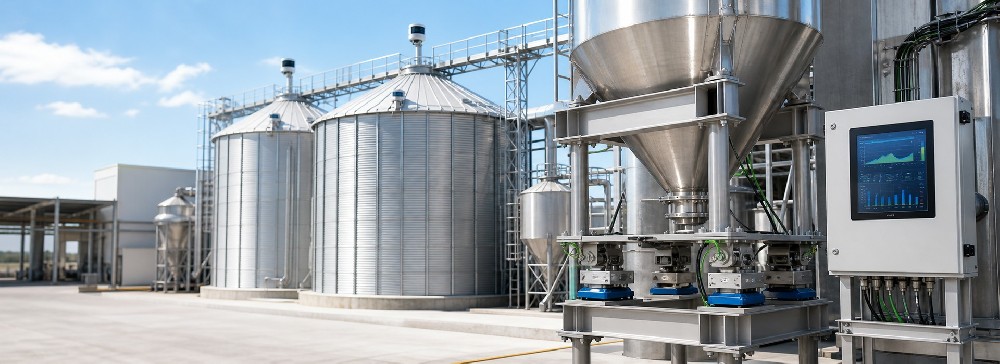
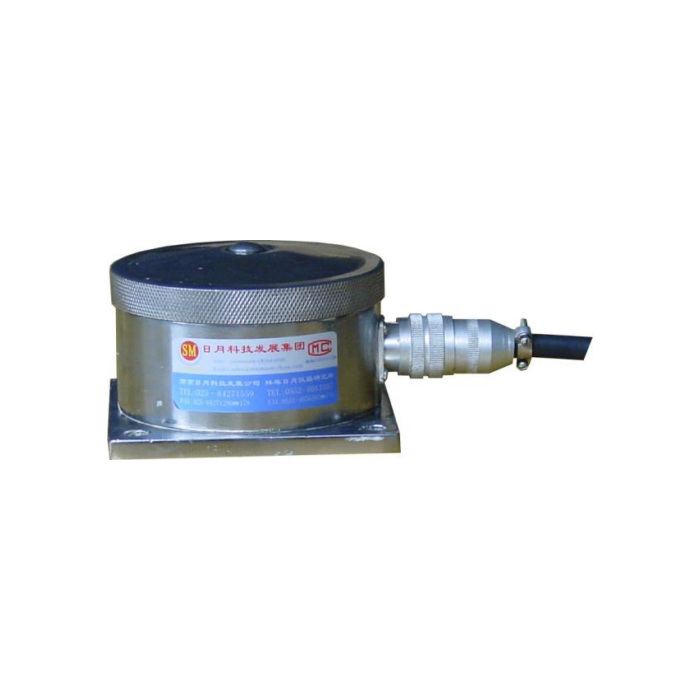

METRAVON MV-LC0100 is a low-profile compression load cell with a sealed diaphragm structure for weighing equipment. Its documented family begins at 0.5 kg and extends to 300 kg. That broad family range does not mean a high-capacity version will resolve the same small addition as a low-capacity one. Start with supported tare, useful net load and the smallest change that matters to the weighing task.
Choose the low-load rating with the complete supported tare
Include the tray, container holder and permanent contacts before calculating the remaining material allowance. Electronic tare changes the displayed zero, not the force already carried by the diaphragm. Define foreseeable handling peaks without treating the 200% FS safe load limit as spare normal capacity. Then compare the smallest useful material addition at the expected background load. A quoted 0.5 kg family minimum is not a resolution specification or permission to put a heavy fixture on that version.
Fit the low-profile compression load cell around the full reference envelope
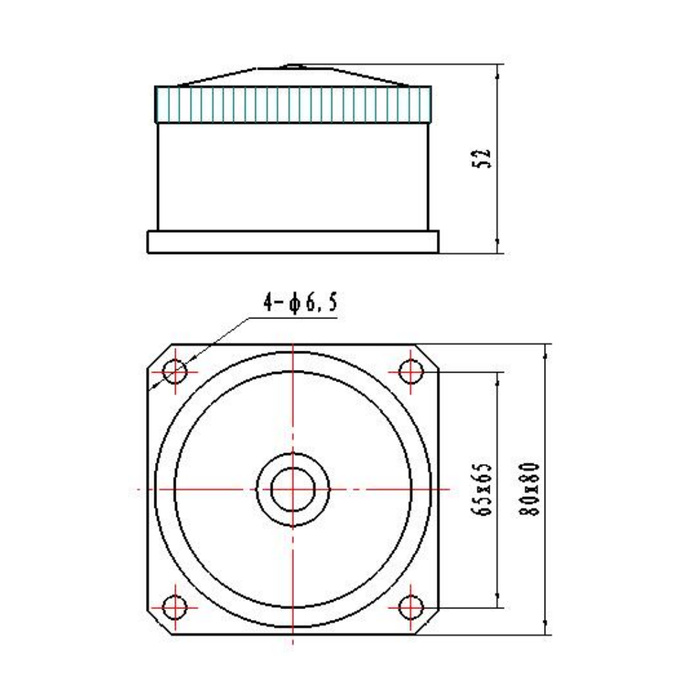
The reference base is 80 by 80 mm with four 6.5 mm holes on 65 by 65 mm centres. Total height is 52 mm. Review the upper contact, base support and cable or connector access together; the label low profile does not mean it shares the height of another diaphragm model. Keep guards and guides clear of the loaded structure. Submit the intended contact area and position rather than assuming the complete top cover is an unrestricted platform.
| Item | Value | Selection notes |
|---|---|---|
| Capacity family | 0.5-300 kg | Choose one actual rating from supported tare and net-load needs. |
| Reference base / height | 80 x 80 / 52 mm | Check space for the load contact and connection. |
| Fixing pattern | 4 x 6.5 mm on 65 x 65 mm | Verify the complete base and fastener arrangement. |
| Nominal bridge output | 2.0 +/-0.015 mV/V | Use a 10-12 V DC bridge supply and suitable indicator. |
| Precision / temperature effect | 0.05% FS / 0.05% FS per 10 deg C | Assess the useful operating interval and actual thermal conditions. |
| Housing protection | IP66 | A sealed body is not an unlimited immersion or chemical-exposure claim. |
Evaluate the reader at the useful weighing interval
The bridge needs 10-12 V DC excitation and has 2.0 +/-0.015 mV/V rated output. Its input and output resistances are 380 +/-5 and 350 +/-2 ohms. Assess reader noise, settling and cable movement with the smallest reference additions that the process must distinguish. More displayed decimal places do not establish better measurement. Confirm the delivered connection identification and signal sign; conflicting colour labels in reference wiring material are not a safe basis for a final connection.
Compare positions and return with the actual tray installed
Check relevant loading positions and repeat reference additions after unloading, repositioning the container and operating any nearby feeder. No unlimited platform-size or off-centre-load allowance follows from the round housing. The listed precision entry is 0.05% FS under the documented sensor conditions. Apply the agreed whole-scale acceptance method at the actual tare and load points. IP66 and -40 to +85 deg C are listed, but the connector, mounting and surrounding electronics also need to suit the installation.
Compare MV-LC0101 for its 5-300 kg documented family, while checking the exact delivered connection and reference data.
Tare allowance and small-addition checks
Q1. Does zeroing a tray restore the sensor capacity used by its weight?
No. The tare function removes an indication, not the physical load. Include the tray and attachments when choosing the capacity, and verify the net additions needed by the process. Check handling peaks separately from normal weighing.
Q2. Can it be selected as a direct substitute for MV-LC0101?
Both reference outlines show an 80 mm square base and 52 mm height, but the documented family lower limits differ: 0.5 kg here and 5 kg for MV-LC0101. Confirm the actual rating, connection and calibration data of the offered units rather than treating the same outline as complete equivalence.
Q3. Is the 0.05% FS entry the error of every small-dose result?
The installed result also depends on the chosen full-scale rating, tare, contact arrangement, reader and operating conditions. Specify a useful net-load acceptance method and test representative additions. Do not replace that system check with the smallest figure on a sensor table.
