Chinese
 Spanish
 Russian
 Portuguese
 French
 German
 Indonesian
 Thai
Thai Vietnamese
 Arabic
 Italian
 Turkish
 Polish
 Japanese
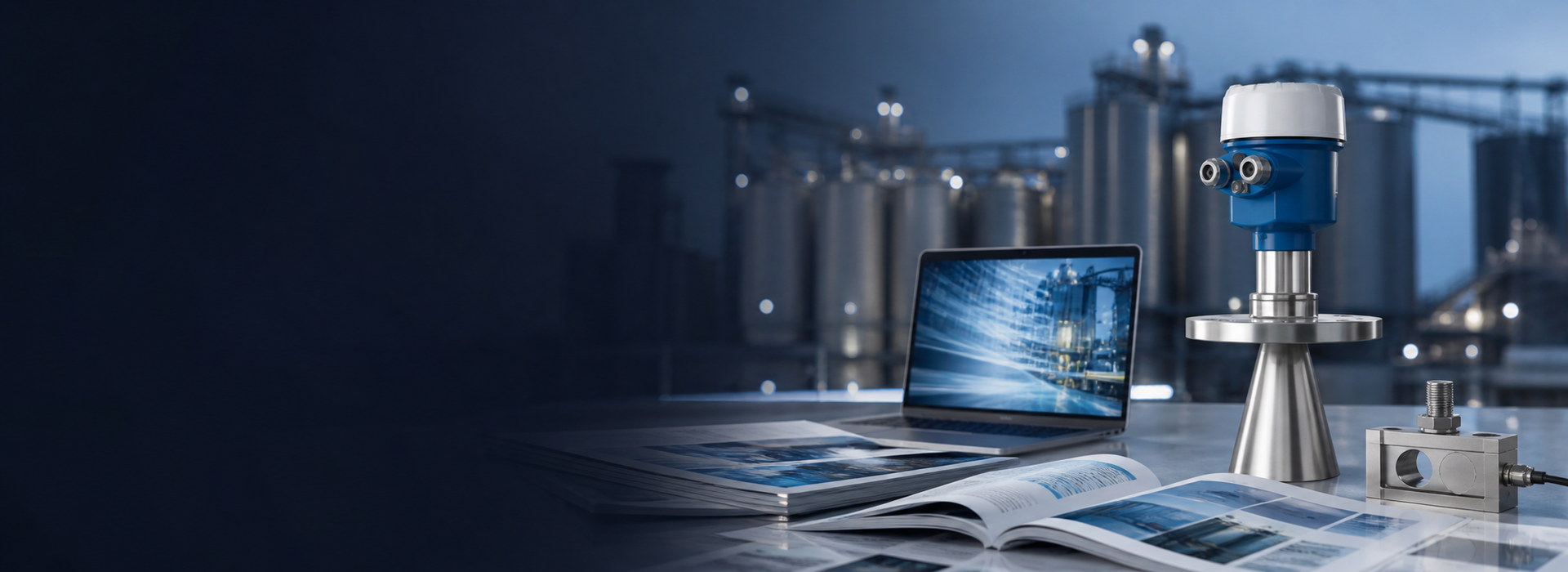
Level measurement is widely used in chemical processing, water treatment, food and beverage production,pharmaceuticals, agricultural water management, mining, storage systems and industrial automation. Different measurement technologies are required depending on the medium, tank structure, temperature, pressure and installation environment.
Common technologies include hydrostatic, ultrasonic, float, radar, RF admittance and capacitive level measurement. No single technology is suitable for every application, so selection should consider process conditions, measurement range, installation requirements, signal output and maintenance requirements.
1. Hydrostatic Level Measurement
Hydrostatic level measurement determines liquid level from the pressure generated by the liquid column. When liquid density remains relatively stable, increasing liquid height produces a corresponding increase in hydrostatic pressure.
Simple Measurement Principle
Suitable for continuous liquid-level measurement.
Typical Applications
Water tanks, reservoirs, wells and industrial storage systems.
Process Stability
Foam, vapor and surface turbulence do not directly affect the pressure measurement.
System Integration
Industrial models may provide 4–20mA or RS485 outputs.
Hydrostatic measurement is affected by liquid density. If density changes significantly because of temperature, concentration or process composition, the calculated level may also shift. For pressurized closed tanks, gas-phase pressure compensation or differential-pressure measurement may be required.
2. Ultrasonic Level Measurement
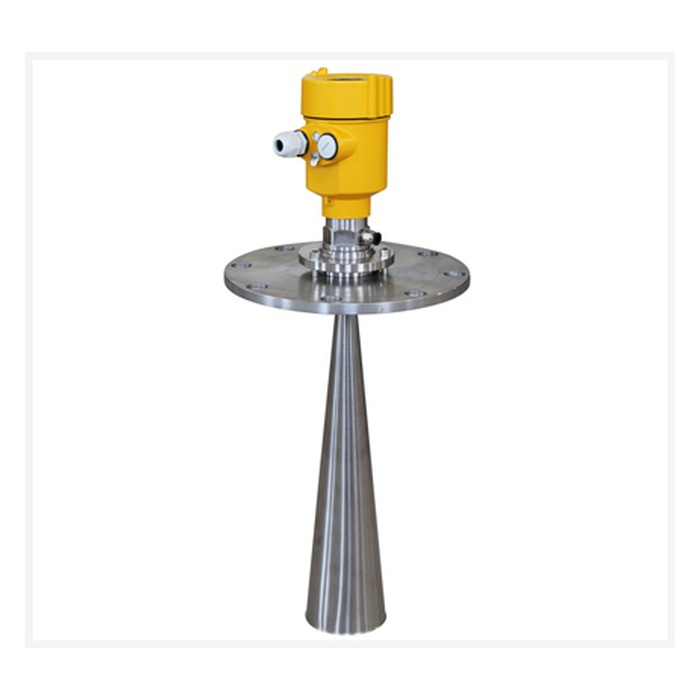
Ultrasonic level transmitters are normally non-contact instruments. The sensor emits an ultrasonic pulse toward the liquid or solid surface and measures the travel time of the reflected signal. The measured distance is then converted into level according to the installation reference height.
Non-Contact Measurement
The sensor does not normally remain in direct contact with the process medium.
Liquid and Some Solid Applications
Suitable for tanks, basins, wastewater systems, open channels and selected bulk solids.
Relatively Simple Installation
Well suited to atmospheric-pressure applications with stable air conditions.
Automation Integration
Can be connected to PLCs, RTUs, data loggers and remote monitoring systems.
Because ultrasonic signals travel through the gas space above the process, temperature changes, steam, foam, strong airflow, dust, surface turbulence and internal obstructions may affect measurement stability.
3. Float Level Measurement
Float level instruments use buoyancy to follow changes in liquid level. As the liquid rises or falls, the float moves accordingly and the position is converted into a level signal through magnetic coupling, mechanical linkage, reed switches or other sensing methods.
Direct Mechanical Principle
Commonly used for conventional liquid-level applications.
Independent of Dielectric Constant
Suitable for many standard liquids.
Point or Continuous Measurement
Can be used for level switches or continuous level indication.
Because the float is in direct contact with the medium, viscosity, corrosion, solids, crystallization, deposits and available movement space must be considered. High-viscosity or fouling media may restrict float movement.
4. Radar Level Measurement
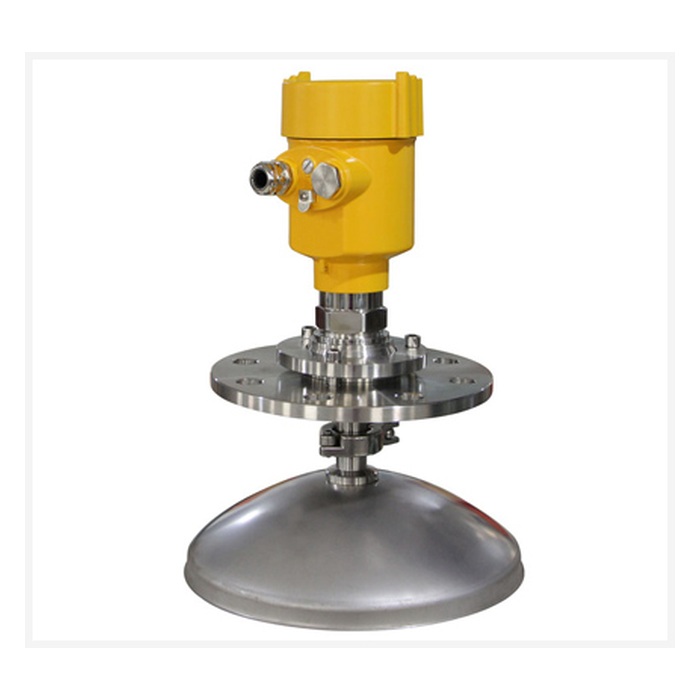
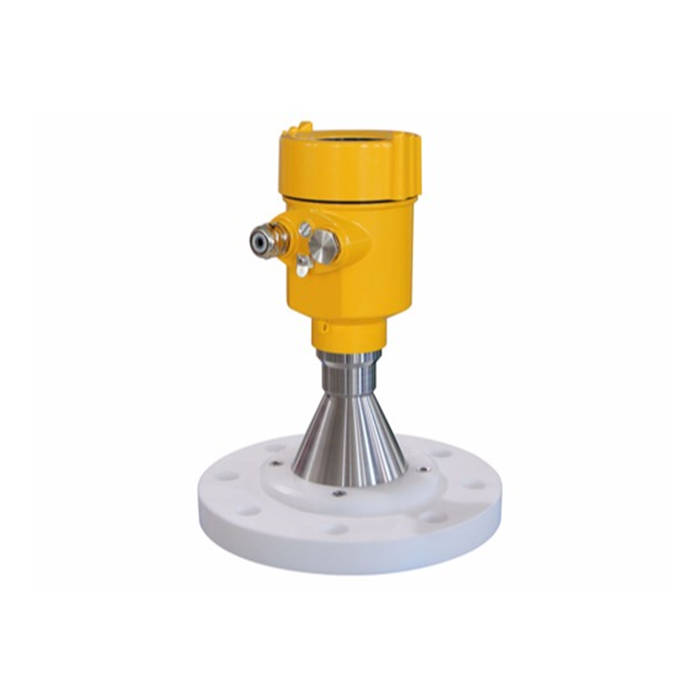
Radar level transmitters use high-frequency electromagnetic waves for non-contact level measurement. The antenna emits a radar signal toward the process surface, and the reflected signal is analyzed to calculate the actual liquid or solid level.
Non-Contact Measurement
Suitable for both liquids and bulk solids.
Suitable for More Demanding Conditions
Generally less sensitive than ultrasonic measurement to temperature, pressure and vapor changes.
No Mechanical Moving Parts
Suitable for long-term continuous measurement.
Wide Application Range
Used in tanks, silos, water treatment, chemical processes and mining applications.
Radar reflection is still influenced by dielectric constant, installation position, tank geometry and unwanted echoes. Low-dielectric media or complex vessels may require careful selection of radar frequency, antenna design and installation position.
5. RF Admittance Level Measurement
RF admittance level instruments detect changes in the electrical characteristics between a probe and the vessel. They normally use a contact probe and can be applied to liquids, slurries, powders and granular materials.
Multiple Media Types
Suitable for liquids, slurries, powders and granules.
Point Level Detection
Often used for high-level and low-level alarms.
Applicable to Some Coating Media
With suitable design, it can tolerate certain coating or buildup conditions.
RF admittance measurement can be affected by the electrical properties of the medium, probe coating and installation geometry. Applications with major dielectric changes or severe buildup should be calibrated and verified under actual process conditions.
6. Capacitive Level Measurement
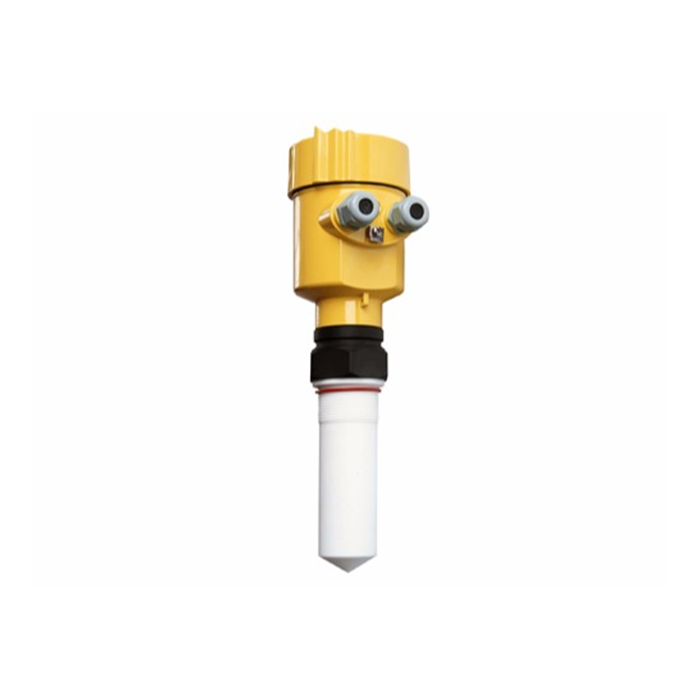
Capacitive level instruments measure changes in capacitance as material enters the sensing area between the probe and reference electrode. The dielectric constant of the process medium directly influences the capacitance response.
Liquids and Selected Solids
Suitable for various liquids, powders and granular materials.
Compact Structure
Useful for small vessels and installations with limited space.
Continuous or Point Measurement
Can be configured for continuous level or point-level detection.
Capacitive measurement is sensitive to dielectric constant, product composition, probe buildup, humidity and installation geometry. Significant changes in medium properties may require recalibration.
7. Comparison of Common Level Measurement Technologies
| Technology | Measurement Type | Typical Media | Main Advantages | Main Limitations |
|---|---|---|---|---|
| Hydrostatic | Contact | Liquids | Simple, stable and suitable for deep-water applications | Affected by liquid density |
| Ultrasonic | Non-contact | Liquids and selected solids | Simple installation and no direct process contact | Affected by foam, vapor, temperature and airflow |
| Float | Contact | Liquids | Direct principle and independent of dielectric constant | Mechanical movement can be affected by deposits or high viscosity |
| Radar | Non-contact | Liquids and solids | Suitable for more demanding process conditions | Requires consideration of dielectric constant and unwanted echoes |
| RF Admittance | Contact | Liquids, slurries, powders and granules | Suitable for many industrial materials and point-level detection | Affected by buildup and electrical properties of the medium |
| Capacitive | Contact | Liquids and solids | Compact and flexible installation | Sensitive to dielectric constant and probe coating |
8. How to Select a Level Measurement Technology
Water Tanks, Reservoirs and Wells
Hydrostatic, ultrasonic or radar measurement can be selected depending on installation and process conditions.
Wastewater and Effluent Systems
Foam, sludge, corrosion and floating materials should be considered. Radar may be evaluated for more difficult conditions.
Industrial Storage Tanks
Ultrasonic, radar or hydrostatic measurement can be used for normal atmospheric tanks, while higher-temperature or higher-pressure processes may require radar, guided-wave radar or differential pressure.
Bulk Solid Silos
Radar, ultrasonic, RF admittance or capacitive level detection can be selected according to dust, range and material properties.
Small Vessels and Point-Level Detection
Float switches, capacitive switches or RF admittance level switches may be suitable.
9. Information Required for Level Instrument Selection
| Selection Parameter | Information to Confirm |
|---|---|
| Process Medium | Liquid, slurry, powder or granules |
| Measurement Type | Continuous measurement or point-level alarm |
| Measurement Range | Minimum and maximum level |
| Medium Properties | Density, dielectric constant, viscosity and corrosiveness |
| Process Temperature | Normal and maximum operating temperature |
| Process Pressure | Atmospheric, positive or vacuum conditions |
| Environmental Conditions | Steam, foam, dust, condensation and vibration |
| Installation Method | Top mounting, side mounting, submersible or flange mounting |
| Output Signal | 4–20mA, RS485, relay or other industrial outputs |
| System Integration | PLC, RTU, SCADA or IoT platform |
FAQ
Q1: Which level technology is suitable for normal water-level measurement?
A1: Hydrostatic, ultrasonic and radar instruments can all be used. The final choice depends on measurement range, installation and process conditions.
Q2: What is the main difference between ultrasonic and radar level measurement?
A2: Ultrasonic instruments use sound waves, while radar instruments use electromagnetic waves. Radar is generally less sensitive to temperature, pressure and vapor changes.
Q3: Is hydrostatic level measurement affected by liquid density?
A3: Yes. Hydrostatic level is calculated from liquid-column pressure, so significant changes in density may affect the calculated level.
Q4: Can radar level instruments measure bulk solids?
A4: Yes. Radar level instruments are widely used for both liquids and bulk solids in tanks and silos.
Q5: Why is dielectric constant important for capacitive level measurement?
A5: Capacitive measurement depends on changes in capacitance caused by the process medium, so dielectric constant directly affects the response.
Q6: Which technology should be considered when foam is present?
A6: The selection depends on foam thickness and process conditions. Thick foam may weaken ultrasonic echoes, so radar or contact measurement may need to be evaluated.
Q7: Can all level instruments connect to a PLC?
A7: It depends on the output configuration. Instruments with 4–20mA, RS485 Modbus or relay outputs can usually be integrated with PLCs, RTUs or data acquisition systems.
Conclusion
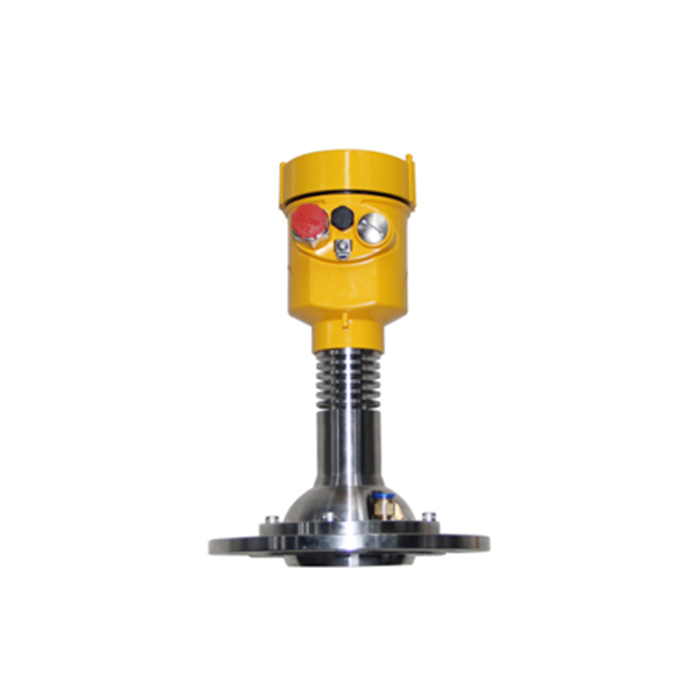
Hydrostatic, ultrasonic, float, radar, RF admittance and capacitive level instruments use different measurement principles and are suited to different process conditions. Hydrostatic measurement is suitable for liquids with relatively stable density; ultrasonic measurement is useful for many non-contact liquid and selected solid applications; float instruments provide a direct mechanical solution for ordinary liquids; radar is suitable for more demanding tank and silo conditions; and RF admittance or capacitive technologies are commonly used for specific contact measurement and point-level detection.
Correct selection should consider process medium, measurement range, temperature, pressure, foam, vapor, dust, installation conditions, output signal and system integration requirements. METRAVON level measurement products can be integrated with PLCs, RTUs, SCADA systems and industrial IoT platforms for liquid tanks, water treatment systems, industrial processes and bulk-solid applications.