


 Chinese
 Spanish
 Russian
 Portuguese
 French
 German
 Indonesian
 Thai
 Vietnamese
 Arabic
 Italian
 Turkish
 Polish
 Japanese

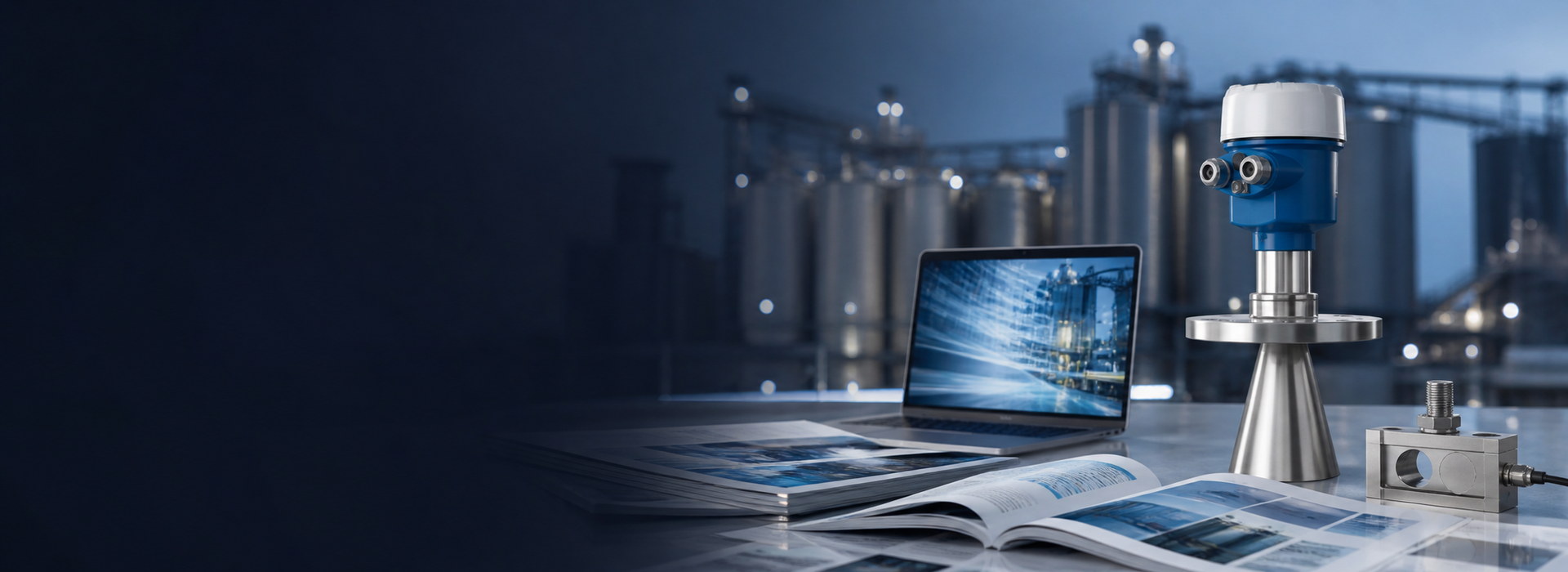
A clear measurement path during installation may disappear when a cover slides shut or a platform moves into service position. Radar vs ultrasonic near moving covers should be assessed through the complete movement envelope. A static photograph cannot establish that the surface remains visible during operation.
Put the moving structure on the vessel drawing
Show the instrument, cover edges, hinges, rails and any platform that can enter the path. Include parked and intermediate positions, not just fully open and fully closed. Establish whether the sensor is fixed to the vessel structure or moves with the cover.
When the instrument itself moves, its reference height and orientation may change. Treat that as a measurement-geometry issue before examining the sensing principle. Neither radar nor ultrasonic technology automatically preserves a fixed vessel-level reference on a moving support.
Radar vs ultrasonic near moving covers: position checks
| Position | Question for the review |
|---|---|
| Normal operation | Is the intended surface visible across the required level interval? |
| Travel | Can an edge or mechanism become the selected target while the structure moves? |
| Maintenance | Is measurement intentionally unavailable, and how is that state handled? |
| Return | Does the structure locate repeatably and does the valid measurement recover? |
Do not suppress a target that moves through the measuring interval
A fixed-obstruction setting should not be assumed suitable for a moving cover. Its distance can overlap real liquid positions. Review any masking or unavailable-state logic with the instrument documentation and control designer rather than hiding the symptom by extending an excluded region.
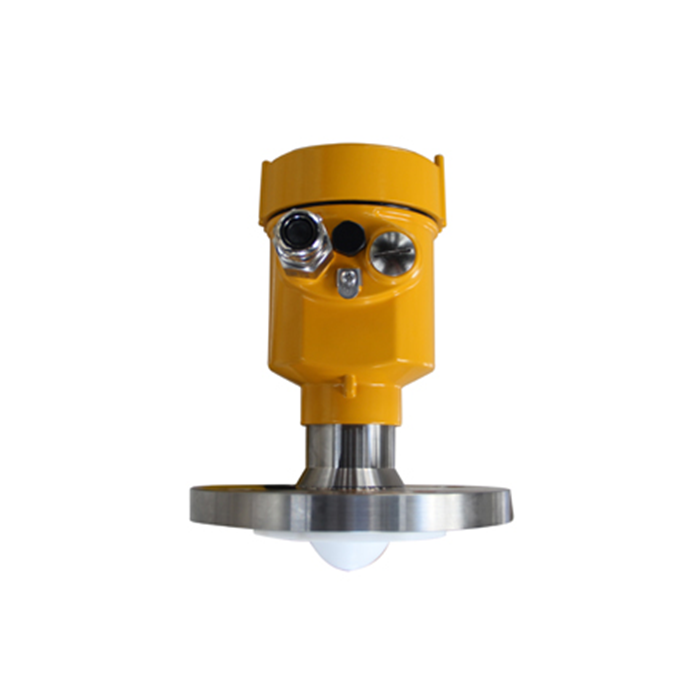
The METRAVON MV-RD12 has a nominal 8-degree beam with its 32 mm lens. That specification can inform a path review, but it does not guarantee rejection of a cover or qualify operation from a moving mount. Submit the actual geometry and movement sequence for assessment.
Acceptance should include the cover sequence
Under the site's authorised test arrangements, record the measurement and status before, during and after relevant cover movement. Use known surface conditions and note whether the intended measurement is required during travel. Do not make personnel or machinery enter a hazardous path to perform the test.
Q1. Is the sensor acceptable if it works with the cover open?
Only for the duty that observation demonstrates. If routine operation uses another position, that position still needs review and verification.
Q2. Can a cover-position switch resolve the problem?
It can inform control logic where an engineered design permits measurement to be unavailable. It does not restore the measurement path, and the required process response must be assessed separately.
Summary
Define when the surface must remain measurable and survey every relevant structure position. Send the movement drawing and operating sequence before selecting an MV-RD12 arrangement.
