Chinese
 Spanish
 Russian
 Portuguese
 French
 German
 Indonesian
 Thai
Thai Vietnamese
 Arabic
 Italian
 Turkish
 Polish
 Japanese
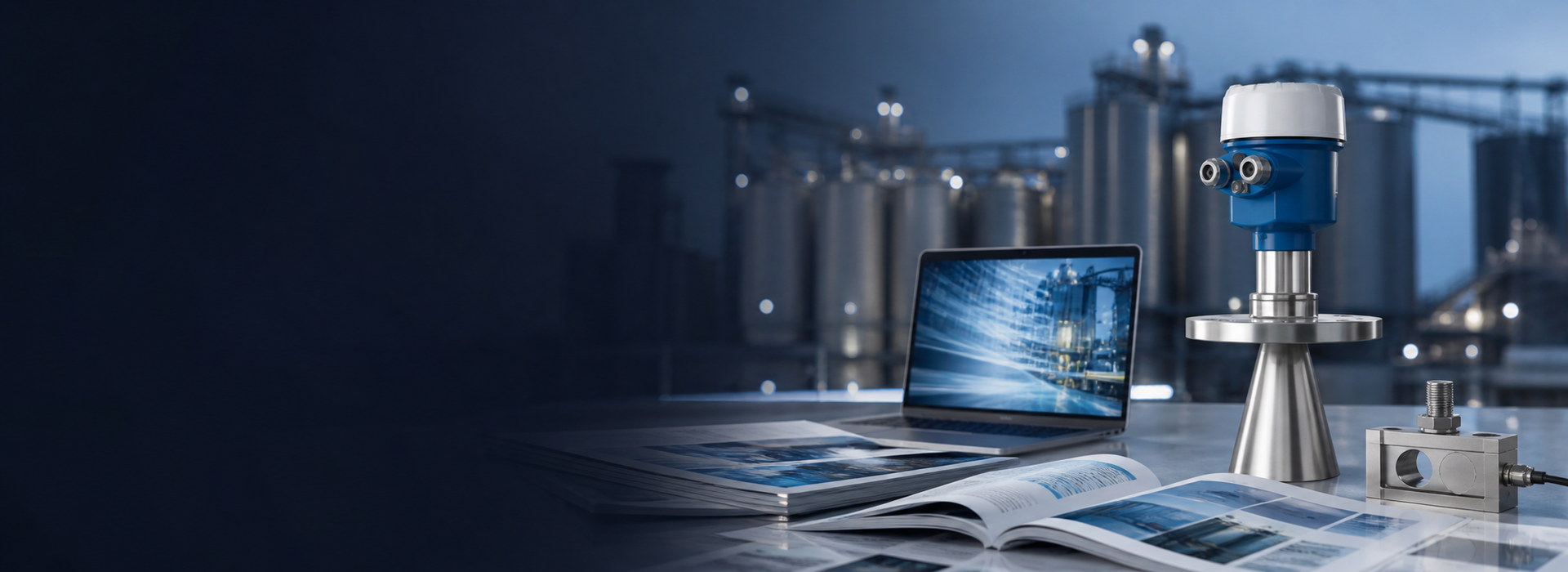
High-frequency radar level gauges adopt a high-frequency transmission frequency of 24GHz~26GHz (commonly represented by 25GHz), belonging to high-frequency pulse radar, and are divided into two categories: radar level gauges and radar material level gauges. The measuring range usually reaches 30 meters, supports various installation methods such as thread and flange, and is widely used in scenarios such as reactors and solid silos. Compared with traditional low-frequency radar, it has obvious advantages in accuracy, directivity, anti-interference ability and installation convenience, and is the preferred solution for solid bulk materials, low dielectric constant media and harsh working conditions.
This article systematically explains how high-frequency radar level gauges bring practical value to customers from working principle, core features, comparative advantages, selection recommendations to installation key points.
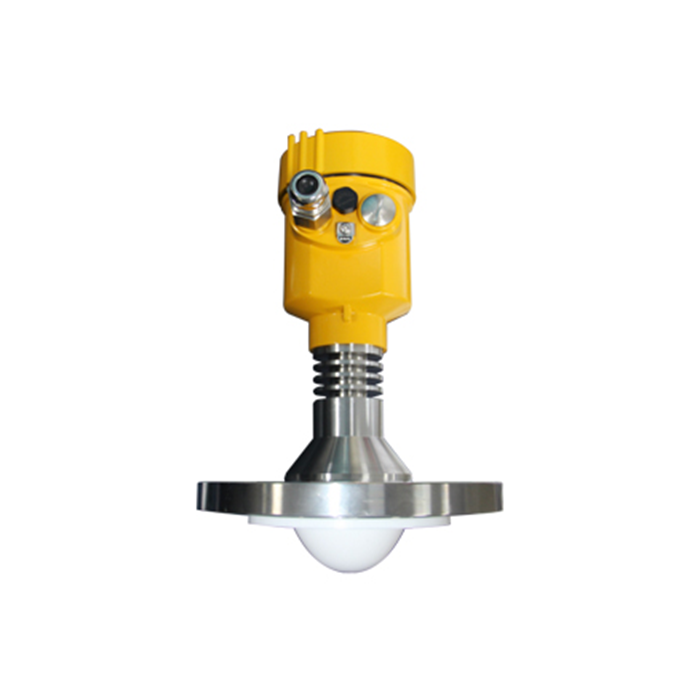
I. Working Principle of High-Frequency Radar Level Gauges
High-frequency radar level gauges adopt a high-frequency microstrip line structure circuit design, and generate microwave pulse signals of 24GHz~26GHz inside. Based on the high-frequency waveguide principle, the microwave pulses are emitted from the end of the antenna through PTFE material.
When the pulse hits the surface of the measured medium, part of the energy is reflected back and received by the same antenna. The instrument accurately calculates the time interval between the transmitted and received pulses through time expansion technology, deduces the distance from the antenna to the medium surface, and outputs the level signal.
This non-contact measurement method is not affected by changes in medium density, temperature and pressure, and the measurement process is stable and reliable.
II. Core Features and Customer Value of High-Frequency Radar Level Gauges
High-frequency radar level gauges have the following outstanding features, which directly solve on-site pain points:
1. Short wavelength, good reflection effect on inclined solid surfaces, suitable for bulk material measurement.
2. Small beam angle, concentrated energy, strong echo signal, strong anti-interference ability.
3. Small measurement blind zone, ideal effects can also be obtained for small storage tanks.
4. Small antenna size, convenient installation, no wear, no pollution, low long-term use cost.
5. Especially suitable for the measurement of solids and low dielectric constant media.
6. High signal-to-noise ratio, still maintains excellent performance when the material surface fluctuates.
7. Not affected by corrosion and foam.
8. Not affected by water vapor, temperature and pressure changes in the gas.
9. Little impact from dusty environments, suitable for harsh occasions such as dust, crystallization and condensation.
These features are transformed into actual benefits for customers: more accurate measurement, simpler installation, fewer maintenance times, and wider applicable scenarios.
III. High-Frequency Radar vs Low-Frequency Radar vs Guided Wave Radar Comparison
| Comparison Item | High-Frequency Radar Level Gauge (24-26GHz) | Low-Frequency Radar Level Gauge (6GHz) | Guided Wave Radar Level Gauge |
|---|---|---|---|
| Beam Angle | Small, good directivity | Larger | Propagates along the probe, almost no beam |
| Antenna Size | Small, easy to install | Larger | Cable/rod probe |
| Solid Measurement | Excellent (preferred for bulk materials) | Average | Good |
| Small Tank Applicability | Excellent | Poor | Good |
| Dust/Steam Resistance | Strong | Average | Strong |
| Low Dielectric Constant Media | Good | Weaker | Excellent |
| Installation Flexibility | High (can be installed outside the container) | Average | Needs to be inserted into the medium |
| Maintenance Cost | Low | Medium | Medium (probe may hang material) |
Conclusion: Prioritize high-frequency radar for solid bulk materials, small tanks, and high-dust occasions; when the medium dielectric constant is very low or extremely high accuracy is required, guided wave radar can be considered.
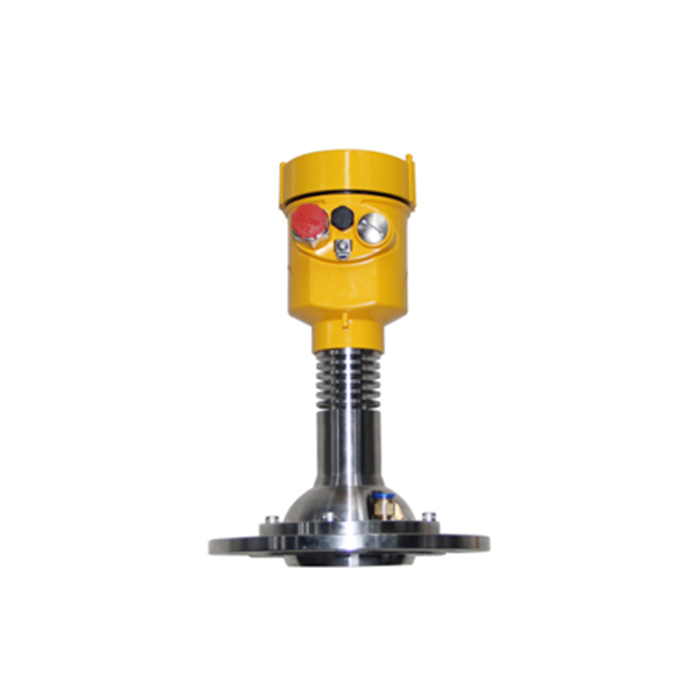
IV. Applicable and Inapplicable Scenarios
Scenarios preferentially recommended for high-frequency radar:
- Solid bulk material silos (coal, cement, grain, ore, chemical raw materials, etc.)
- Small storage tanks with small diameter and low height
- Environments with high dust, easy condensation and easy crystallization
- Occasions requiring small antennas and limited installation space
- Working conditions hoping for low maintenance and non-contact measurement
Scenarios that need caution or consider other solutions:
- Pure liquids with extremely low dielectric constant (guided wave radar can be prioritized)
- Areas with strong stirring or severe eddy currents (recommended to cooperate with stilling wells)
- Special requirements for extremely short blind zones and probes that must contact the medium
V. Installation Precautions (Directly Affect Measurement Effect)
1. Avoid installation directly above the feed inlet to prevent false reflections.
2. Do not install in the center of an arched tank, and do not get too close to the tank wall.
3. Try to have no obstacles within the emission angle (limit switches, thermometers, etc.); if unavoidable, refraction plates can be used for treatment.
4. In occasions with strong eddy currents or intense stirring, it is recommended to use stilling wells or bypass pipes.
5. In environments with heavy dust and water vapor, it is recommended to install antenna covers to reduce dirt accumulation.
6. In some harsh working conditions, the instrument can be installed outside the container for measurement through isolation measures.
Correct installation can greatly improve measurement stability and service life.
VI. After-sales Service Guarantee
Regular manufacturers provide complete after-sales support to ensure the normal use of products, and open instrument service hotlines to promptly solve questions during use, ensuring continuous and stable production operation.
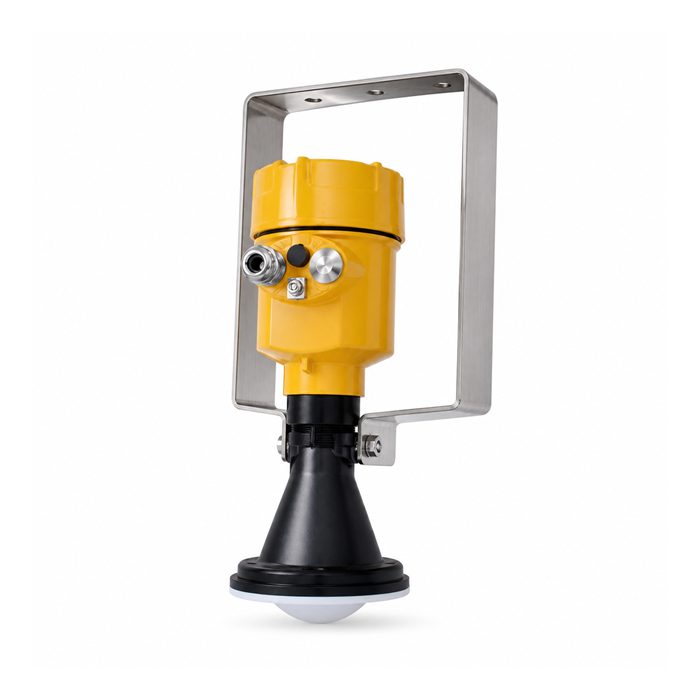
FAQ
Q1. What is the operating frequency of high-frequency radar level gauges?
Usually 24GHz~26GHz (commonly represented by 25GHz), belonging to high-frequency pulse radar, with more concentrated energy and higher accuracy.
Q2. Is high-frequency radar suitable for measuring solids?
Very suitable. Short wavelength, good reflection on inclined solid surfaces, and is the preferred solution for bulk solid material level measurement.
Q3. Can high-frequency radar be used for small storage tanks?
Yes. Small beam angle, short antenna, small blind zone, good directivity, especially suitable for small storage tanks.
Q4. Do dust, steam and foam affect the measurement?
The impact is very small. Not affected by corrosion and foam, water vapor, temperature and pressure changes also do not affect the measurement, and strong adaptability to dusty environments.
Q5. Which is better, high-frequency radar or guided wave radar?
There is no absolute better or worse. Prioritize high-frequency for solids, small tanks and high dust; select guided wave when the dielectric constant is very low or contact-type high accuracy is required. It can be selected specifically according to the medium and working conditions.
Q6. What if the antenna is easily affected by dirt?
The antenna size of high-frequency radar is small, and antenna covers can be installed to effectively reduce the accumulation of dirt and water vapor, making maintenance simpler.
Q7. What should be paid most attention to during installation?
Avoid above the feed inlet and the center position of the tank, control the distance from the tank wall, and it is recommended to use stilling wells or bypass pipes in strong interference occasions.
Q8. What are the actual benefits of choosing high-frequency radar level gauges?
Higher accuracy and stability, smaller installation space, stronger anti-interference ability, lower maintenance cost, especially suitable for solid silos, reactors and complex industrial environments.
Correct selection and standardized installation can significantly improve the reliability of level measurement and production efficiency. It is recommended to provide detailed working condition information based on actual medium characteristics, storage tank size and on-site environment to obtain the most matching selection scheme.