


 Chinese
 Spanish
 Russian
 Portuguese
 French
 German
 Indonesian
 Thai
 Vietnamese
 Arabic
 Italian
 Turkish
 Polish
 Japanese

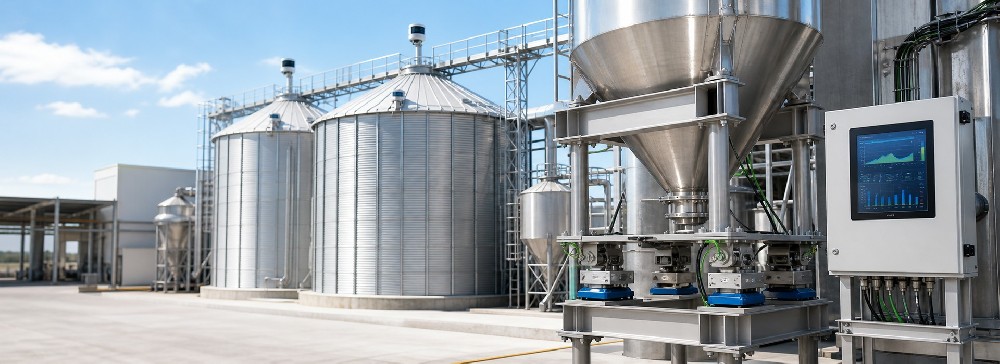

METRAVON MV-WA0013 weighing signal cable is listed for enquiries involving hazardous-area weighing installations. The designation does not establish an approved protection method, a specific hazardous-area classification or a certificate for the complete weighing system. Selection requires the cable construction and circuit documentation to be checked against the project's requirements.
Define the hazardous-area requirement first
Provide the site's classification and the protection concept selected by the responsible designer, together with the load-cell, interface and indicator models. An intrinsically safe circuit and another type of protected installation may impose different requirements. The cable, entries, connected equipment and installation must be assessed as the proposed combination.
The phrase "explosion-proof cable" should not be treated as evidence of a particular Ex protection marking. No IECEx or ATEX certificate number, gas or dust group, temperature class or approved installation is claimed for MV-WA0013 on this page.
| Document or detail | What the project needs to establish |
|---|---|
| Site classification | The applicable gas or dust hazard, area classification and environmental conditions. |
| Cable data | Conductor construction, insulation, length and relevant electrical and mechanical limits. |
| Circuit documents | The permitted connection of the sensor, interface or barrier, cable and receiving instrument. |
| Entries and approvals | The required cable glands, seals and supporting evidence for the selected installation method. |
Electrical data can limit the usable length
For an intrinsically safe circuit, the responsible designer may need cable capacitance and inductance data, alongside the connected apparatus limits and circuit documents. These values are not provided here, so a permissible cable length cannot be calculated from this listing. Cable diameter and colour are not substitutes for the required electrical data.
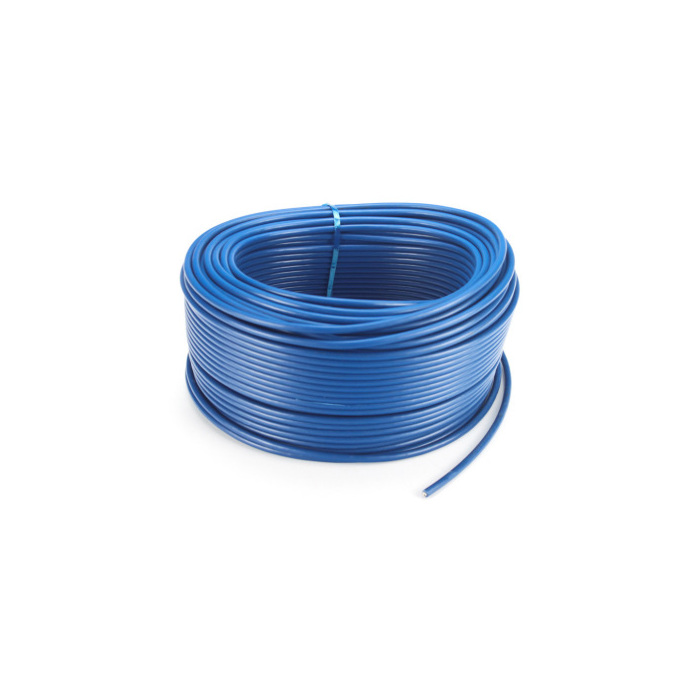
Mechanical selection is separate from electrical assessment. Identify the routing conditions, cable outside diameter, connection method and exposure to chemicals or movement. Do not substitute a cable or gland in an approved assembly without checking whether the change remains within its documentation.
Approval and ordering questions
Q1. Does selecting this cable make the scale suitable for a hazardous area?
No. The assessment covers the equipment and its installation, not just the signal cable. A qualified hazardous-area specialist must review the proposed system. If essential construction data or approval evidence cannot be supplied, the cable should not be released for that installation.
Q2. Must the cable always have a standalone IECEx certificate?
The required evidence depends on the protection concept and how the item is used. Confirm the required evidence with the responsible designer; the product name alone does not establish a certificate requirement or an exemption. Where IECEx certification is claimed for equipment or a component, verify the actual certificate and its scope through the IECEx certification information.
Q3. Can a damaged cable be replaced with an equal-length blue cable?
Colour and length are insufficient. Compare the approved construction, conductor arrangement, electrical properties, insulation and entry compatibility. Follow the site's isolation and maintenance procedures; replacement and return to service require the appropriate competent review.
Submit the project documents with the enquiry
Send the circuit drawing, area classification, equipment models, required cable length, termination details and requested approval documents with your MV-WA0013 enquiry. Any missing evidence should be resolved before ordering for hazardous-area use. The hazardous-area weighing procurement guide provides a wider checklist for the connected system.
