Chinese
 Spanish
 Russian
 Portuguese
 French
 German
 Indonesian
 Thai
Thai Vietnamese
 Arabic
 Italian
 Turkish
 Polish
 Japanese
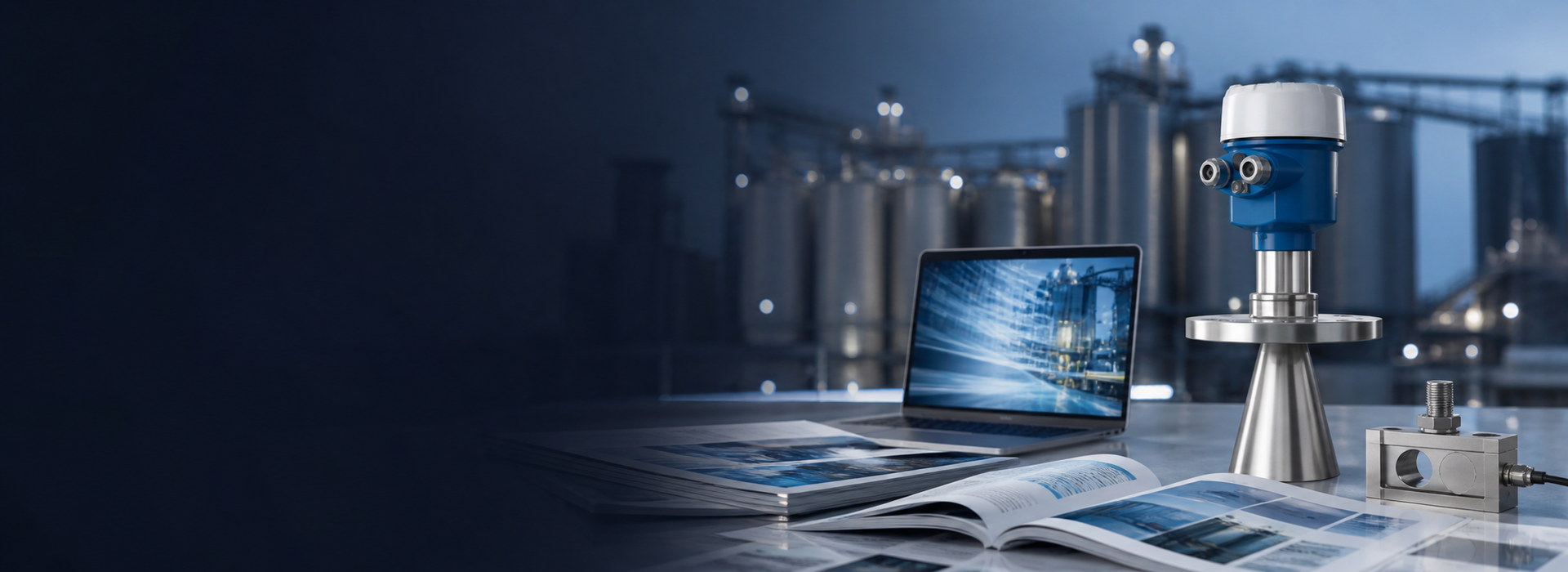
An S-type load cell can measure tension and, for many designs, compression through threaded loading points. It is useful for suspended hoppers, material testing, actuator force and inline tension systems when the force path remains axial. The recognizable shape does not make every S-type cell interchangeable: thread size, capacity, rated output, allowable side load, fatigue duty and environmental sealing vary. Selection must include the complete mechanical assembly, because rod ends, clevises, cables and rigid joints can introduce bending that dominates the sensor error or damages the element. Prepare a load-case table covering normal operation, startup, shutdown, jam release and maintenance. Identify whether force reverses and whether the structure can go slack, rotate or swing. These cases determine joint selection, anti-rotation measures and overload protection more reliably than a single maximum-force value.
Define force direction and duty cycle
State tension, compression or reversible loading, minimum and maximum working force, tare, dynamic peaks and cycles per hour. Include impact, emergency stops and maintenance loads rather than using only steady production force.
Define required uncertainty, repeatability, response rate and whether the result controls a process or only indicates force. Fatigue applications need cycle and load-spectrum evidence, not just ultimate capacity.
Create an axial load path
Use suitable rod ends, clevises or spherical bearings to accommodate small angular movement without transferring bending. Align upper and lower threads and avoid locking the cell between structures that expand differently.
Do not use the cable, connector or housing as an anti-rotation feature. Provide a controlled method to tighten hardware without twisting the sensing body.
Select capacity and overload protection
Combine process force, dead load, dynamic amplification, imbalance and credible upset loads. Choose capacity with engineering margin while retaining enough signal utilization for the required resolution.
Provide mechanical stops or restraints where overload is credible, but keep them clear during normal operation. Verify safe load and ultimate load separately from measuring range.
Match threads and hardware
Specify metric or imperial thread, engagement length, adapters and material strength. Confirm whether the manufacturer permits lubrication, locknuts or thread-locking compounds and follow the stated torque method.
Inspect mating hardware for wear and looseness. A replacement cell with the same capacity but different thread geometry can change alignment and safety.
Integrate the electrical signal
Check excitation, rated millivolt-per-volt output, bridge resistance, cable length and amplifier input range. Use stable excitation and preserve shield and grounding practice through junctions.
For multiple cells, evaluate summing, individual trimming and fault diagnosis. Define cable-break and out-of-range handling instead of treating every voltage as valid force.
Calibrate the installed assembly
Apply traceable tension or compression loads through the actual fixtures over the operating range. Check zero, span, repeatability, hysteresis and return to zero in both directions when reversal is used.
Record fixture configuration, temperature and loading sequence. Recalibrate after rod-end, adapter, structure, cable or amplifier changes and inspect alignment before adjusting span. Preserve the original as-found readings.
Engineering checklist
- Define direction, peaks and fatigue duty.
- Keep the force path axial with suitable joints.
- Calculate capacity and credible overload.
- Verify threads, adapters and tightening method.
- Match excitation, amplifier and fault handling.
- Calibrate through the installed fixtures.
Frequently asked questions
Can every S-type cell measure both directions?
No. Confirm the permitted tension and compression ranges and installation for the exact model.
Why use rod ends or clevises?
They reduce bending from small misalignment and help maintain an axial load path.
Can a larger capacity always improve safety?
It may increase load margin but reduce signal utilization and resolution; overload protection and mechanics still matter.
Need a project-specific review? Send process data, drawings, photographs and acceptance criteria through our contact page.