


 Chinese
 Spanish
 Russian
 Portuguese
 French
 German
 Indonesian
 Thai
 Vietnamese
 Arabic
 Italian
 Turkish
 Polish
 Japanese


A weak industrial gateway signal should be assessed with repeatable radio and application observations, not a universal signal-bar rule. Record the selected network mode, operator, band and available modem measurements together with the time of the problem. This helps separate antenna or coverage issues from network congestion and faults above the radio connection.
Confirm the radio hardware before moving the antenna
The METRAVON TR323 has full-5G and RedCap configuration choices. Check the installed module and supported operator bands. A family description does not establish which radio is inside a particular unit or which antenna connectors that module requires.
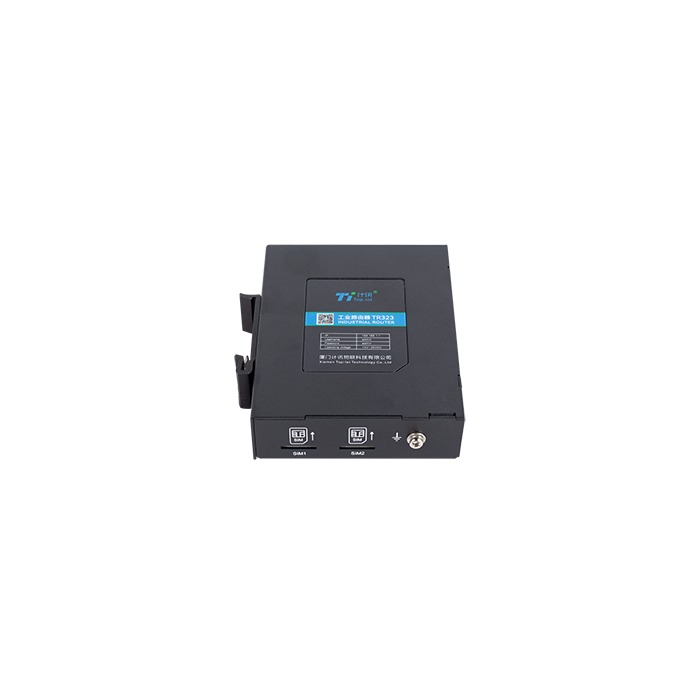
Use the delivered antenna instructions to identify cellular, diversity, Wi-Fi or other connectors. Do not treat every similar socket as interchangeable. Confirm antenna bands, connector type and any required multiple-antenna arrangement before buying a replacement or adding an adapter.
Weak industrial gateway signal: what to record
| Record | Why it matters | How to compare |
|---|---|---|
| Radio mode | A change of serving network or band can change the meaning of a comparison. | Retain mode, band, operator and cell identity where the modem exposes them. |
| Radio metrics | Power and signal-quality readings describe different aspects of the link. | Record available RSRP, RSRQ and SINR with time and the vendor's measurement context. |
| Antenna path | Cable loss, connectors and placement affect the installed radio system. | Record the antenna model, cable type and length, connectors and mounting position. |
| Useful service | Good-looking radio readings do not establish a working application. | Compare accepted data, response times and interruptions during representative operation. |
A phone is only a rough comparison because its modem, antenna and network selection may differ. The decisive test uses the gateway's installed module, intended SIM and required service. Avoid assigning a pass/fail threshold from an unrelated modem or network mode.
Inspect the complete antenna path
Look for loose connectors, moisture, damaged coaxial cable, sharp bends and unverified adapters. Confirm the specified connector and impedance requirements. A higher-gain antenna can be offset by excessive feeder loss or an unsuitable mounting arrangement; assess the whole path rather than the antenna label alone.
Move equipment or antenna connections only under the site's approved procedure. For an external antenna, account for weather exposure, cable entry, bonding and surge protection using a suitable installation design. Do not leave an open cabinet or unsealed entry as the permanent solution to a successful temporary test.
Try safe candidate mounting positions before committing to drilling or new cable routes. Keep the test conditions comparable and record when the modem changes cell or band. Metalwork, nearby structures and the installed orientation can affect results, so a location chosen only for convenient cable routing may not be suitable.
Separate poor radio conditions from a busy or rejected service
If the gateway remains registered but application performance varies by time of day, collect both radio metrics and destination-side observations. A crowded network, subscription limit or application bottleneck can resemble an antenna problem. A stronger received signal does not by itself prove that more usable capacity is available.
For mobile installations, test the actual route and transitions rather than only a stationary position. Record whether the event is a radio interruption, a network reconnect or a later application recovery. The acceptable interruption comes from the operational requirement, not an assumed benefit of the 5G label.
Once the radio path is satisfactory, investigate routing, authentication and payload problems separately. The platform-offline guide covers a connection that reaches the network but still does not deliver useful measurements.
Antenna and site questions
Q1. Should the antenna cable simply be made longer to reach outdoors?
Not without checking feeder loss, connector requirements and protection of the cable route. Compare a suitable shorter route or another approved equipment location. The final installation should preserve the improvement demonstrated during the trial.
Q2. Can firmware turn a full-5G modem into a RedCap modem?
Do not assume a software setting changes the hardware capability. Confirm the delivered module and supported modes with the model documentation before planning a migration or changing a subscription.
Q3. What evidence justifies replacing the router?
Evidence that the device or module fails under its specified conditions after the supply, SIM service, antenna path and destination have been assessed. A comparison with known-compatible equipment can help, but keep the test conditions and configurations explicit.
Summary
Choose antenna changes from measured site evidence and confirm the result at the application. Send a radio-path review request with hardware identity, operator, mounting photographs and a timed record of both signal observations and service failures.
