


 Chinese
 Spanish
 Russian
 Portuguese
 French
 German
 Indonesian
 Thai
 Vietnamese
 Arabic
 Italian
 Turkish
 Polish
 Japanese

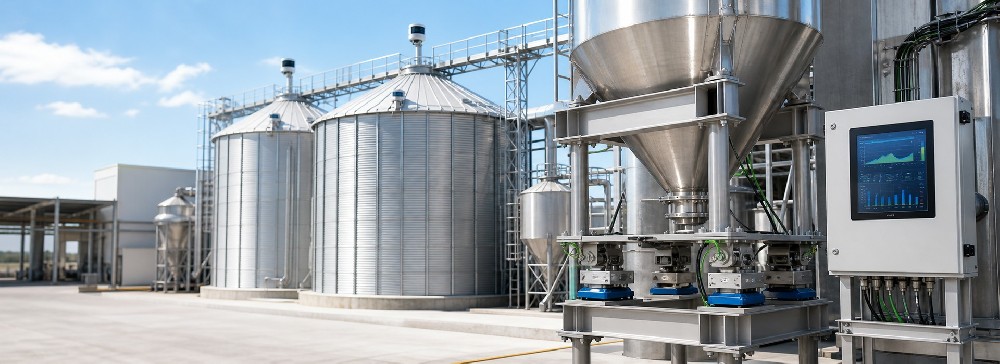

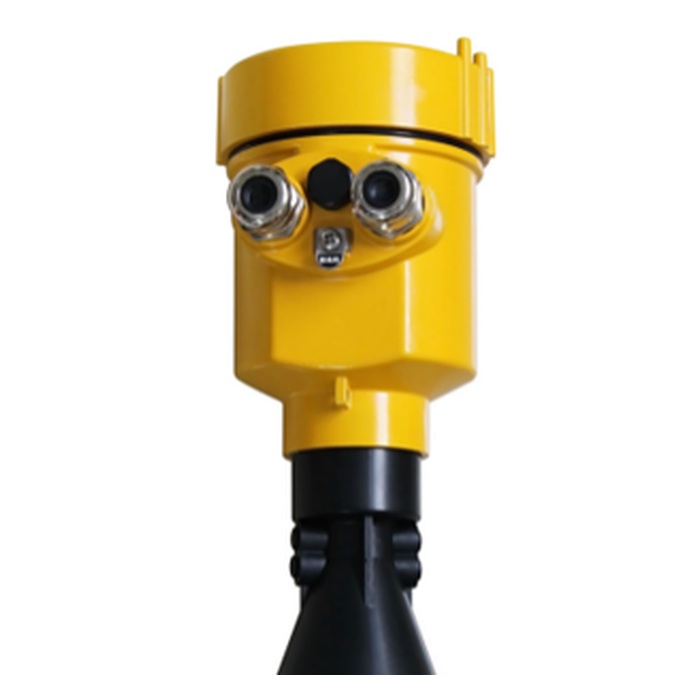
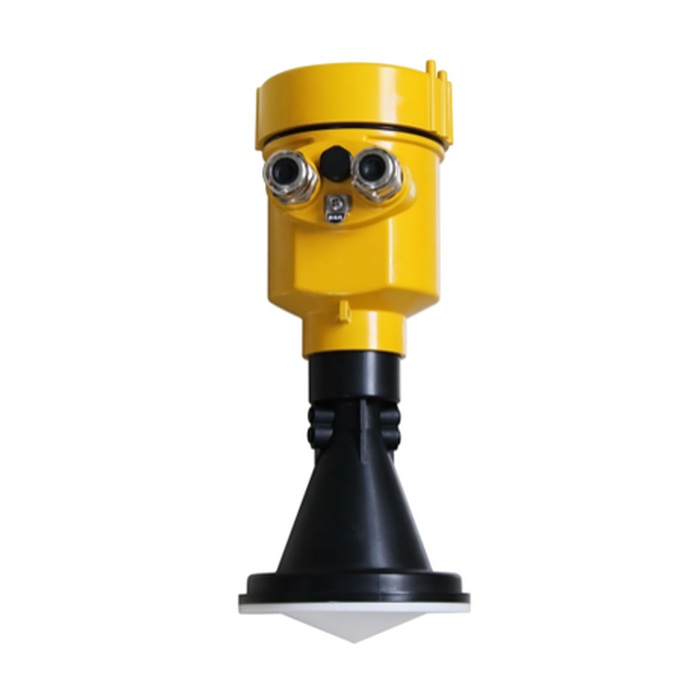
METRAVON MV-RD908S is a 26 GHz radar water level meter for non-contact monitoring of rivers, lakes and channels, with a listed distance range up to 30 m. Its corrosion-resistant configuration must be assessed against the actual exposure at the measuring point. The antenna remaining above the water does not remove exposure to spray, vapour or cleaning chemicals.
Choose the site reference and mounting arrangement first
A water-level record is useful only when its reference is stable. Survey the radar's measurement datum, identify the corresponding zero in the logger and retain the conversion in the station record. A display labelled "level" is not enough to establish whether it represents water elevation, local depth or a distance-derived value.
A gantry frame or locking-flange arrangement needs sufficient stiffness to retain its position. Check for movement from vibration, maintenance access and structural loading. Position the antenna with a clear view of representative water, away from a bridge pier's disturbed surface or a concentrated falling stream.
| Selection item | MV-RD908S |
|---|---|
| Distance rating | Up to 30 m |
| Operating frequency | 26 GHz |
| Housing choices | Cast aluminium or plastic |
| Ingress rating | Specify IP65 or IP67 with the selected housing and cable-entry arrangement. |
| Serial output | RS485/Modbus, 6-24 VDC version |
| Analog output | 4-20 mA/HART, 24 VDC two-wire version |
| Local display | Optional |
| Accuracy requirement | Request a version-specific specification and test conditions before setting the acceptance tolerance. |
The measuring distance must be assessed from low water to high water with the required blind clearance retained. A longer range quoted for another radar in the family does not extend this model's 30 m rating.
Review chemical exposure without assuming universal resistance
Identify chemicals, concentration, temperature and the way they can reach the assembly. Include seals, fasteners, cable entries and the antenna-facing surface in the review, not only the enclosure material. A river site with occasional spray and an industrial channel carrying aggressive effluent present different requirements.
Where standing water may cover the instrument, assess a suitably specified sealed arrangement such as MV-RD908F. Even then, ingress protection does not prove chemical compatibility or the ability to measure while submerged.
Balance wave smoothing with detection of rising water
Waves can be real short-term surface movements rather than instrument faults. Before increasing damping, determine whether the radar follows the intended water surface and whether the bracket is stable. Record the local output and the logger trend during a representative event.
Agree the averaging and alarm behaviour with the station operator. A smooth display that hides a rapid rise does not meet an early-warning duty. Equally, an alarm reacting to every passing surface disturbance may be unusable. Validate the chosen response against the monitoring purpose, without assuming one setting fits every river.
During commissioning, compare a trusted local reference and the transmitted reading using the same datum and units. Document communication loss, recovery and any retained last value. The instrument interface selection guide explains the host requirements for analog and serial acquisition.
Station design questions
Q1. Can the model be ordered simply as "IP65/IP67"?
The order should identify the required rating and the actual enclosure construction. A list of alternative ratings is not a specification for the delivered unit. Include cable entries and the exposure at the mounting position in that decision.
Q2. Is the display resolution the accuracy of the station?
No. The smallest displayed increment is different from measurement error. Station performance also depends on the surveyed reference, mounting stability and the comparison method. Obtain the selected instrument's accuracy specification and test conditions, then define the site check separately.
Q3. Can a stored setting restore the station after a bracket replacement?
Only if the physical reference remains unchanged and has been verified. Moving the radar changes the distance-to-elevation relationship. Resurvey or confirm the new reference before reusing the previous zero and alarm values.
Information for an MV-RD908S offer
Provide the required water-level interval, site datum, mounting sketch, chemical exposure and access constraints. Include the logger or PLC model, supply and required output. Request a configured quotation with the enclosure, display choice and version-specific performance specification identified, rather than a price for the model name alone.
