Chinese
 Spanish
 Russian
 Portuguese
 French
 German
 Indonesian
 Thai
Thai Vietnamese
 Arabic
 Italian
 Turkish
 Polish
 Japanese
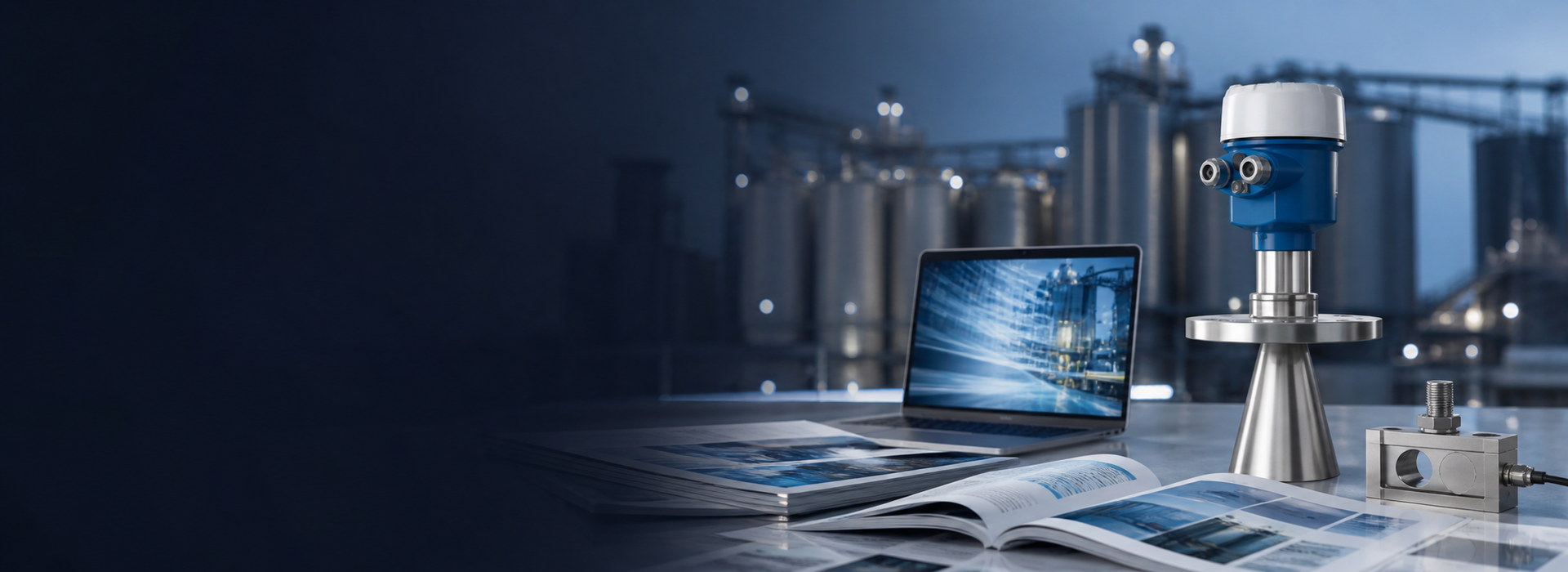
A waterproof load cell must survive the actual exposure while maintaining stable insulation and measurement performance. “Stainless steel” or “IP68” alone is not a complete specification. Define immersion depth and duration, washdown pressure and temperature, cleaning chemicals, condensation, salt, flooding frequency, cable routing, enclosure location and required accuracy. Confirm the test standard and conditions behind the ingress rating for the exact model. The cell, cable entry, connector, junction box and field splice form one environmental system; failure commonly begins outside the sensing body.
Interpret the IP rating
IP67 covers temporary immersion under defined conditions, while IP68 conditions are agreed by manufacturer and purchaser. Neither automatically proves resistance to high-pressure hot washdown, which relates to IP69 testing. Obtain the declared depth, time, orientation and production sealing method. Do not infer chemical or corrosion resistance from ingress protection.
Examine seal construction
Welded hermetic construction generally provides a stronger long-term barrier than potted covers, but welds, diaphragms and cable glands still have limits. Review where the strain gauges and compensation components are protected. Connectors improve replacement but add interfaces; moulded cable entries reduce interfaces but require cable replacement planning.
Control cable and junction boxes
Route cable with a drip loop, protect it from abrasion and avoid submerged splices. Water can travel inside damaged cable to the cell or junction box. Use correctly rated glands, close unused entries and mount the junction box where it can drain and be inspected. Desiccant is an indicator or temporary control, not a substitute for sealing.
Assess washdown chemicals
Caustic, acid, chlorine and sanitizers can attack cable jackets, seals and even nominally stainless alloys. Specify concentration, temperature, contact time and rinse practice. Avoid direct high-pressure jets at cable entries unless qualified. Design supports without crevices that retain solution, and verify hygienic requirements separately from electrical sealing.
Protect the mechanical installation
Side load, uplift, impact and debris under mounts remain measurement risks in wet service. Provide drainage around the module and prevent freeze expansion. Grounding and lightning protection should not create a parallel load path. Inspect restraints and flexible connections after flooding or aggressive cleaning.
Verify insulation and calibration
Record bridge resistance, insulation resistance, zero and individual-cell output at dry commissioning. Trend these values after washdown to identify moisture before total failure. Calibrate the installed scale with traceable references and repeat checks after cable, gland or junction-box work. Never megger through electronics that cannot tolerate the test voltage.
Engineering checklist
- Define normal and upset conditions.
- Verify materials, mounting and interfaces.
- Specify fault response and acceptance criteria.
- Test the complete installed system.
- Retain baseline and maintenance records.
Frequently asked questions
Is every stainless-steel load cell waterproof?
No. Alloy choice and sealing construction are separate properties.
Can an IP68 connector remain permanently submerged?
Only under the connector manufacturer’s declared conditions and correct assembly.
What is an early sign of water ingress?
Falling insulation resistance, unstable zero or weather-related drift often appears before complete failure.
Include cable length, connector preference, mating connector, washdown schedule and junction-box rating in the RFQ. During acceptance, inspect certificates and physical seals, then capture dry baseline values. A maintenance trend tied to rainfall or cleaning is more useful than repeatedly recalibrating a wet, deteriorating sensor.
Need a project-specific review? Send process data and drawings through our contact page.
For outdoor scales, include solar heating, standing water, freeze-thaw cycles, rodents and lightning in the review. Position connectors above likely flood level when possible and never pressure-wash an open mating half. After a flooding event, isolate power safely, inspect every enclosure and compare insulation resistance with the commissioning baseline before returning the scale to service. Replacement cable joints should use an approved sealed method, not tape or an unqualified field splice.