Chinese
 Spanish
 Russian
 Portuguese
 French
 German
 Indonesian
 Thai
Thai Vietnamese
 Arabic
 Italian
 Turkish
 Polish
 Japanese
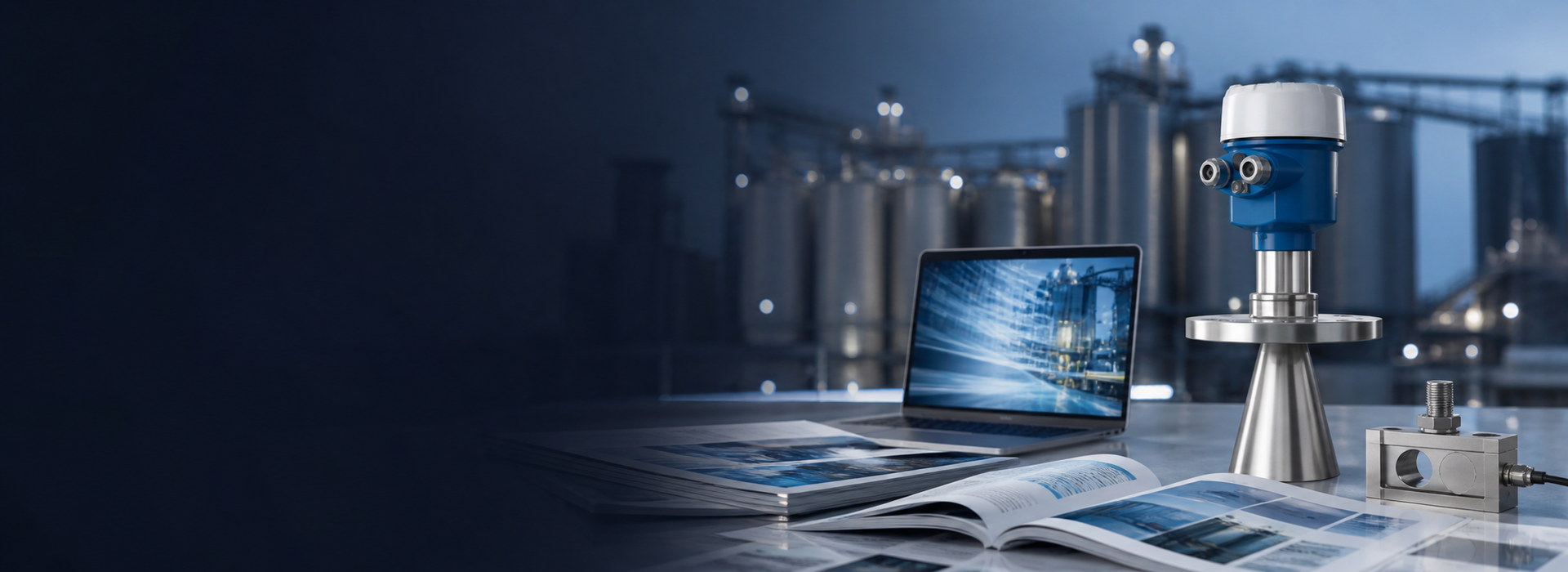
Compression load cells measure force applied through defined bearing surfaces and are used in silos, vessels, truck scales, presses and materials-testing systems. High nominal capacity does not make an installation forgiving. Uneven foundations, tilted loading plates, side force and thermal movement can concentrate stress or introduce measurement error. The specification must cover the complete load path from structure to foundation, including mounts, restraints and overload events. It should also distinguish static weighing from rapidly changing force, because response, fatigue and peak capture can change the appropriate sensor and electronics. Establish installation and replacement procedures before finalizing the mount. Show jacking locations, temporary supports, access clearance and how the unloaded condition will be confirmed. For multi-cell systems, define allowable foundation settlement and a method to inspect support balance over time. These details protect personnel and prevent a replacement operation from changing the load path that was originally calibrated.
Define force and operating envelope
State dead load, net process load, preload, peak compression, cycles, loading rate and credible impact. Include maintenance jacking and upset loads that can reach the sensor.
Define accuracy, repeatability, creep, response and minimum useful load. Trade weighing, inventory and force testing may require different verification and documentation.
Calculate load distribution
For multi-support vessels, evaluate centre-of-gravity movement, filling pattern, piping, wind, agitators and support tolerances. Use the maximum credible load per cell, not an equal average.
For test machines, verify platen geometry and specimen alignment. Eccentric force can add bending and produce a misleading but repeatable result.
Design the bearing interface
Use approved loading buttons, cups, rockers or mounts to introduce force as specified. Bearing surfaces must have the required hardness, flatness, cleanliness and alignment.
Do not grind or modify a load surface without manufacturer approval. Prevent debris, weld spatter and corrosion from changing contact geometry.
Manage side loads and movement
Allow vessel thermal expansion while controlling lateral motion and lift-off with engineered restraints. Rigid piping and check rods can create parallel loads or side force.
Confirm cable flexibility and service loops. A cable pulled tight during movement can affect low-capacity measurements and damage the entry.
Select electronics and protection
Match excitation, millivolt-per-volt output, bridge resistance and amplifier range. Define filtering, sample rate, overload capture and fault detection for the real duty.
Verify temperature, ingress, corrosion, lightning and hazardous-area requirements. Mechanical overload stops must protect the structure without contacting during normal load.
Calibrate and monitor the system
Apply traceable compression forces or approved material substitution across the working range. Check zero, span, repeatability, creep, return to zero and support balance.
Record as-found and as-left results, mount clearances and individual outputs. Inspect after overload, foundation work, piping changes or abnormal zero shift before recalibration. For vessel weighing, compare support outputs at empty and representative loaded states to identify settlement, binding or uneven transfer. A span adjustment should follow mechanical diagnosis, not replace it. Document every correction and its supporting evidence.
Engineering checklist
- Define static, dynamic and upset compression.
- Calculate worst support or platen loading.
- Use approved bearing and mounting hardware.
- Allow thermal movement without side load.
- Match electronics and overload protection.
- Calibrate the installed force path.
Frequently asked questions
Can a compression cell accept side load?
Only within specified limits; the installation should introduce force through its approved axial bearing path.
Why is equal capacity per vessel support unsafe?
Load distribution changes with centre of gravity, piping, tolerances and external forces.
Should zero drift be corrected immediately in software?
First inspect mechanics, restraints, foundations, cables and temperature effects so the cause is not hidden.
Need a project-specific review? Send process data, drawings, photographs and acceptance criteria through our contact page.