Chinese
 Spanish
 Russian
 Portuguese
 French
 German
 Indonesian
 Thai
Thai Vietnamese
 Arabic
 Italian
 Turkish
 Polish
 Japanese
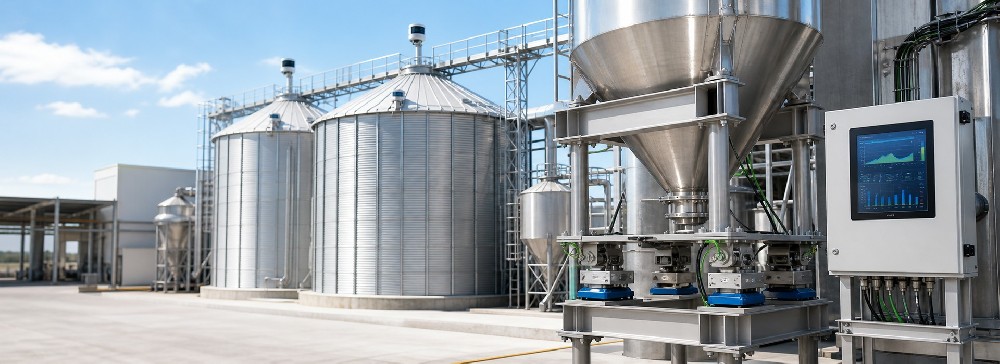

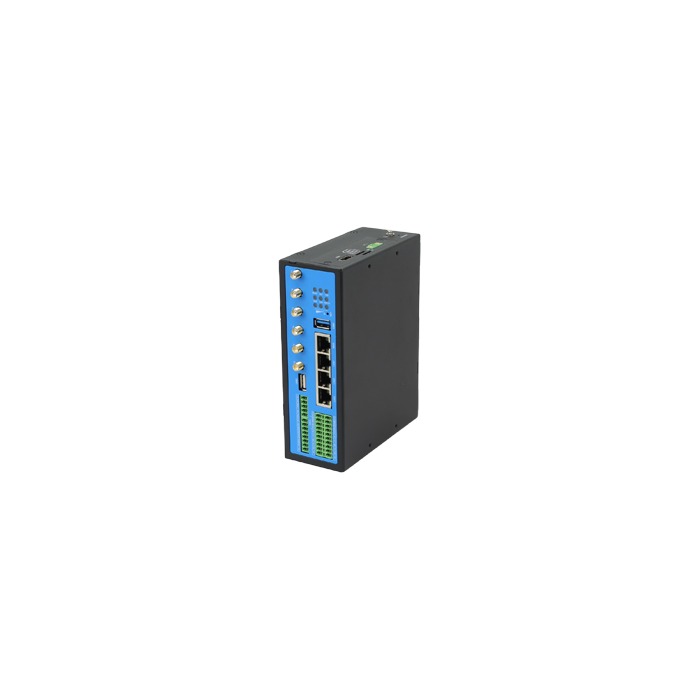
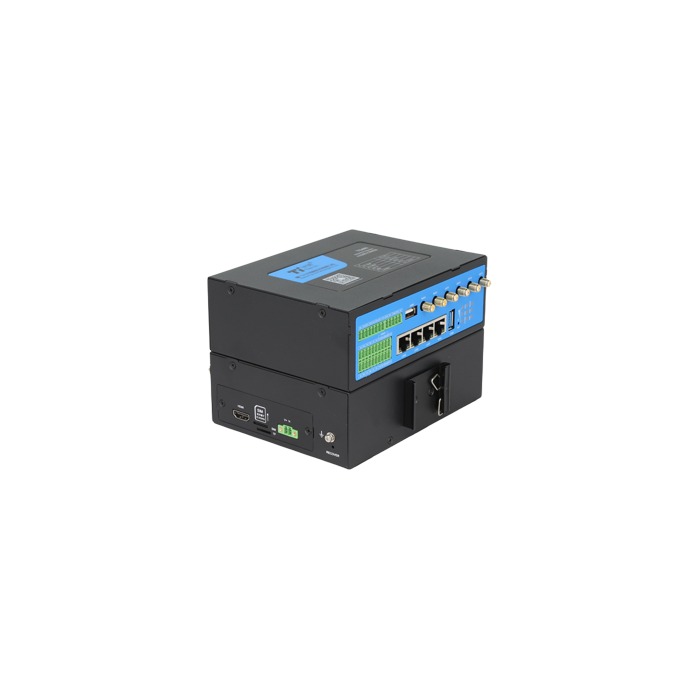
selection summary
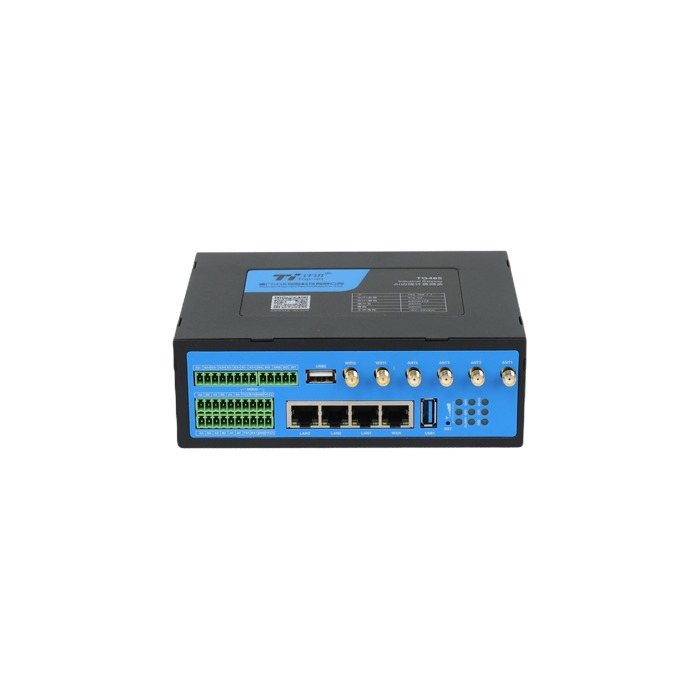
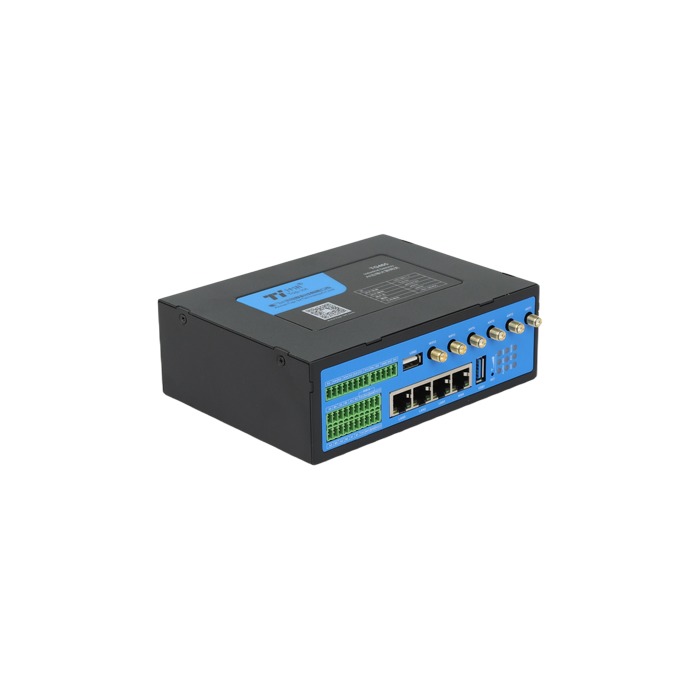
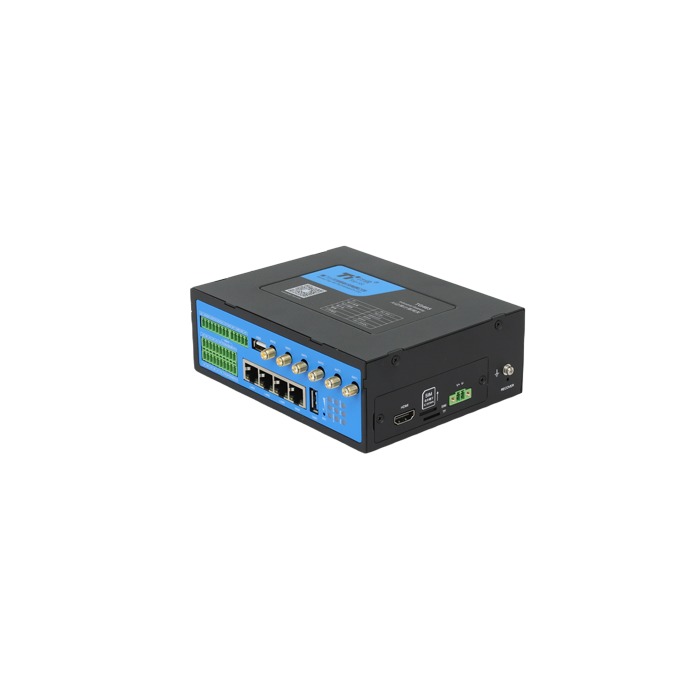
TG465 is suitable for projects requiring marginal processing of intelligent factories, power and energy agreement convergence, video incident recognition and local connection. Its core configuration is 5G NR or 4G LTE, 4xG-Ethernet, with an option for Wi-Fi 6; 1xRS232, 6xRS485, 4xDI, 4x relay, USB3.0/2.0, TF; CAN/HDMI/SD. Check interfaces, protocols and domestic cellular versions before deciding whether to use them.
Product overview
High performance edge gateways for local protocol conversion, data caches, container applications and light AI reasoning. Quantified Cortex-A55, 2GB RAM, 16GB eMMC and 1TOPS NPU provide the basis for the secondary development, but the actual project still needs to be evaluated by algorithm and volume.
The procurement staff will look at these three points first.
Data links and working methods
On-site instrumentation, PLC or sensor, through Ethernet, serial or I/O access, equipment completes transmission, protocol conversion, cache or edge processing, and is sent to SCADA, integrator software, MQTT platform or operating system via 4G/5G or cable network. Stability depends on the design of a table of points, a round of interviews, network coverage, a bridging strategy and a platform interface.
Core advantages
- Four nuclear CPUs, GPUs and 1TOPS NPUs to support edge applications
- Serial, DI/relay, USB and optional SSD interfaces All
- OpenWrt/Ubuntu and Docker options for secondary development at the project level
Usage scenarios
- Data processing at the edge of a smart factory
- Power and energy compacts converge
- Video incident recognition and local connection
application benefits
Technical parameters
| Product category | Edge Computing Gateways |
|---|---|
| Beehive and Network | 5G NR or 4G LTE, 4xG-Ethernet, option Wi-Fi 6 |
| Hardware interface | 1 x RS232, 6 x RS485, 4 x DI, 4 x relay outputs, USB 3.0, USB 2.0 and TF card; CAN, HDMI and SSD optional |
| Communications and industrial agreements | MQTT client/broker, Modbus RTU/TCP, OPC UA and DNP3; IEC 101/104 supported as specified by firmware |
| Electricity | DC 5~60V, standard DC 12V/1.5A |
| Protection and environment | IP30,-35~75°C, 5%~95% rH uncondensed |
| Size & Installation | 162x125x55mm, approximately 799g |
Note: The cellular modules, interfaces, protocols and software functions vary in configuration, and page parameters are used for the initial selection, which is ultimately based on written technical confirmation and order code.
Selection guide
- Disassembly the applications into five parts of the collection points, protocols, calculation of tasks, storage and upper bandwidth, and then account for the configuration.
- Determines whether the operating system, SDK, vessels, protocol plug-ins and algorithms are standard deliveries and avoids placing orders on hardware only.
- The AI project must give model format, input resolution, number of roads, frame and desired time; 1 TOOPS cannot be equal to any model that can be run.
- Identification of 5G/4G modules, double SIM, Wi-Fi 6, GNSS, HDMI, SSD and Super Capability Options.
Key points for installation and commissioning
- Power supply, grounding, mine-protected and antenna position checks are completed and access to on-site equipment is completed; communication lines are separated from power lines.
- The validation station number, Porter rate, validation place, repository and data unit by point, with local access to the platform.
- Set collection cycles, reporting cycles, caches and catch caps, and simulate off-grid, off-power and off-site scenarios.
- Maintenance of configuration, solid version, SIM/APN, protocol mapping and acceptance records after shipment to facilitate subsequent replacement and traceability.
Procurement and Technical Confirmation Checklist
- On-site equipment brand type, quantity, interface, protocol, depository table and data unit.
- 4G/5G operator, frequency band, SIM/APN, fixed IP/VPN, monthly traffic and signal test results.
- Electricity supply range, maximum power consumption, container protection, mine protection, humidity and installation space.
- Platform address, reporting format, collection/reporting cycle, breakpoint relay, remote upgrade and account number privileges.
- Standards and selection functions, solid version, authorized costs, annexes, quality assurance and acceptance methods.
FAQ
What's TG465 for?
TG465 is used mainly for local protocol conversion, data caches, container applications and high performance edge gateways for light AI reasoning. The selection shall first confirm the on-site equipment, interfaces, protocols, network and power supply, rather than be based only on 4G or 5G names.
Can TG465 access PLC, instrument or sensor?
Yes, but with actual interfaces and protocols. The reference interface is 1 x RS232, 6 x RS485, 4xDI, 4x relays, USB3.0/2.0, TF; CAN/HDMI/SSD optional; in the case of private PLC agreements or exclusive statutes, lists of equipment and contact lists should be provided first.
What communication protocols do TG465 support?
Reference agreements include MQTT client/agent, Modbus RTU/TCP, OPC UA, DNP3, IEC 101/104, etc. Some industry agreements, platform plugins or secondary development functions may require the designation of solids, with the version, authorization and delivery to be confirmed prior to ordering.
Can the 4G/5G version of TG465 be used directly by the three main domestic operators?
Requires confirmation by specific module and order code. Product lines may include different national/regional bands; domestic projects should check mobile, connectivity, telecommunications frequency bands, SIM/APN, on-site coverage and local access requirements, and should not substitute “global frequency bands” for an optional identification.
Can TG465 be installed directly outside?
The reference environmental condition is IP30, -35~75°C, 5%~95% RH without condensation. The IP30 product should be installed in containers with water, dust, mine and temperature-control conditions and cannot be used as outdoor water protection equipment.
What information is required for the request for TG465?
Please provide a list of the points of equipment, the number of interfaces, protocols and repositories, the collection and reporting cycle, the central platform, the cellular operator, the power supply, the installation of the environment, the requirements for remote maintenance and the selection functions required.
Ordering instructions
This page does not write optional features into standard configurations. In cases involving cellular bands, industry regulations, State secrets, secondary development, certification or platform authorization, a written confirmation of the corresponding version must be obtained prior to the next list.